도쿄, 파도 속 위대한 물결의 화가를 만나다
도쿄, 파도 속 위대한 물결의 화가를 만나다
The Sumida Hokusai Museum — Tokyo's Tribute to a Master
The Sumida Hokusai Museum, opened in 2016, is located in Sumida Ward, Tokyo, the birthplace of the legendary ukiyo-e artist Katsushika Hokusai (1760-1849). Situated in a quiet residential area, the museum is dedicated to preserving and showcasing the extensive artistic legacy of Hokusai, who spent most of his life in this district. It serves as the world's only museum solely focused on his life and work, offering a deep dive into the Edo period's most celebrated printmaker.
SANAA's Architectural Interpretation
Designed by the renowned architectural firm SANAA (Kazuyo Sejima & Ryue Nishizawa), the museum building itself is a striking work of art. Its exterior features sharp, angular aluminum panels that intersect and extend in various directions, evoking the dynamic waves and majestic mountain ranges often depicted in Hokusai's works. The design, particularly led by Ryue Nishizawa, integrates modern aesthetics with a subtle nod to Hokusai's artistic themes, allowing natural light to filter into the interior through strategically placed openings.
Inside, the museum offers a serene and contemplative environment. Warm wood accents and soft lighting create a focused atmosphere, contrasting with the exterior's metallic finish. The circulation path, characterized by gentle ramps and staircases, guides visitors through Hokusai's prolific career chronologically, from his early sketches to his iconic masterpieces. This thoughtful layout encourages an immersive journey through his artistic evolution.
Hokusai's Masterpieces and Artistic Journey
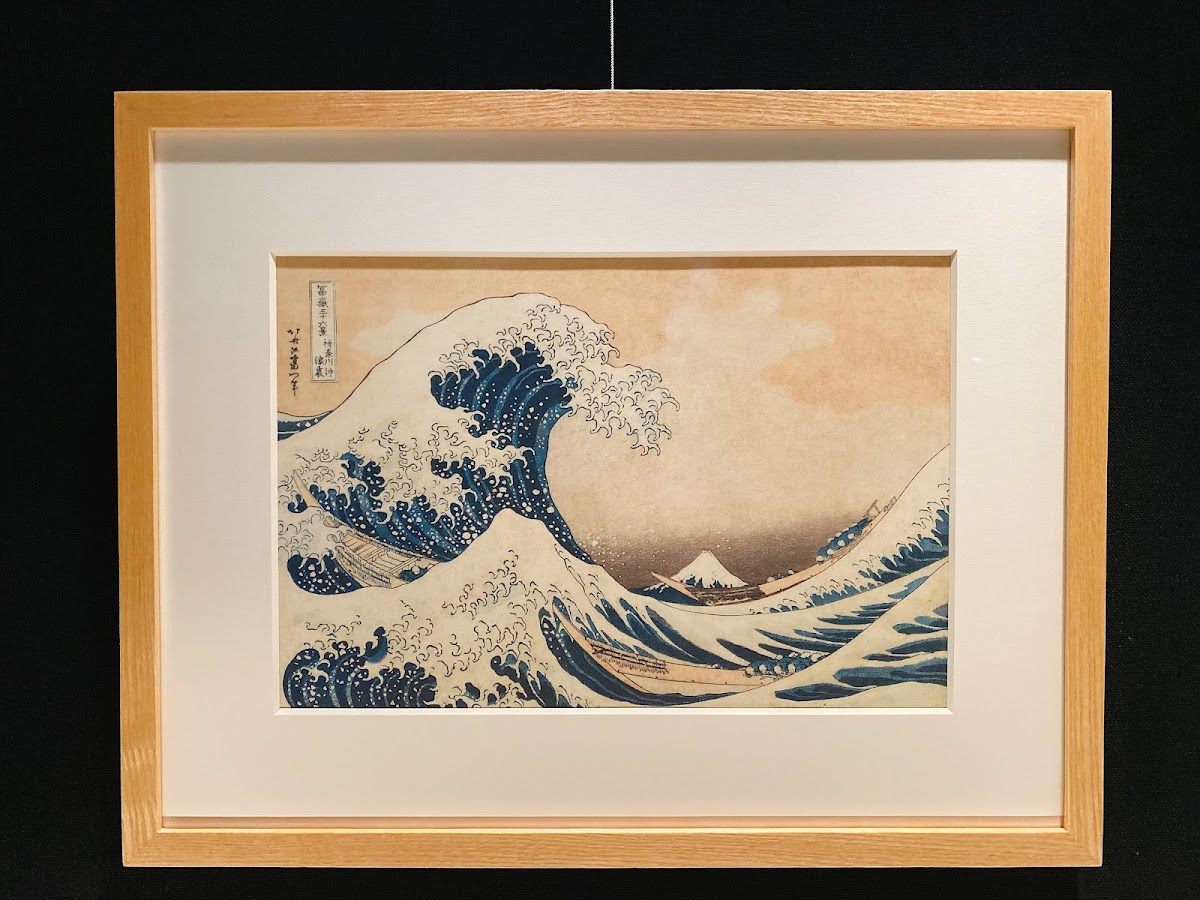
The museum's collection highlights Hokusai's most famous works, including "The Great Wave off Kanagawa" (神奈川沖浪裏) from his "Thirty-six Views of Mount Fuji" (富嶽三十六景) series. This iconic print, with its towering wave and serene Mount Fuji in the background, exemplifies Hokusai's mastery of composition and his ability to capture the raw power of nature. The museum provides detailed insights into the creation and significance of these works, allowing visitors to appreciate the intricate details of his woodblock prints.
Hokusai's artistic journey spanned nearly 90 years, during which he continuously experimented with different styles and genres, from ukiyo-e prints and paintings to his unique "Hokusai Manga" sketchbooks. His dedication to art was profound, famously stating that "all I have drawn before the age of 70 is not worth bothering with." The museum showcases this relentless pursuit of artistic perfection through a diverse display of his works from various periods of his life.
Edo Period Context and Global Influence
The museum also contextualizes Hokusai's art within the vibrant culture of the Edo period (late 18th to mid-19th century), when Edo (modern-day Tokyo) was one of the world's largest and most thriving cities. Ukiyo-e, meaning "pictures of the floating world," flourished during this time, depicting daily life, Kabuki actors, beautiful women, and landscapes. Hokusai revolutionized landscape prints, moving beyond traditional subjects to connect nature's grandeur with human life.
Hokusai's influence extended far beyond Japan. His works, along with other ukiyo-e artists, reached Europe in the mid-19th century, sparking the "Japonism" movement. Impressionist and Post-Impressionist artists like Claude Monet, Vincent van Gogh, and Edgar Degas drew inspiration from Japanese art's unique compositions, bold colors, and simplified forms. Hokusai is thus recognized not only as a Japanese master but as a pivotal figure in global art history.
Visitor Information
The Sumida Hokusai Museum is open from Tuesday to Sunday, 9:30 AM to 5:30 PM, with last admission at 5:00 PM. It is closed on Mondays and during the New Year holidays (December 29 – January 1). Admission for the permanent exhibition is 400 JPY for adults, 300 JPY for high school and university students, and 300 JPY for seniors over 65. Junior high school students and younger are free. Special exhibition fees vary, so checking the official website is recommended.
The museum is conveniently accessible by public transport. It is a 5-minute walk from Ryogoku Station (Toei Oedo Line, Exit A3 or A4) and a 9-minute walk from Ryogoku Station (JR Sobu Line, East Exit). The surrounding Ryogoku area is famous for sumo wrestling and offers many "Chanko Nabe" (sumo wrestler's stew) restaurants, providing a cultural and culinary experience alongside the art.
Visitor Info
| Location | Translating |
| Opened | Translating |
| Architect | Translating |
| Admission | Translating |
| Hours | 9:30~17:30 (Mon closed) |
| Getting There | Translating |
| Official Site | https://hokusai-museum.jp |