아시아 현대미술 전문 세계 최초의 박물관
아시아 현대미술 전문 세계 최초의 박물관
Fukuoka Asian Art Museum: A Global Pioneer in Asian Contemporary Art
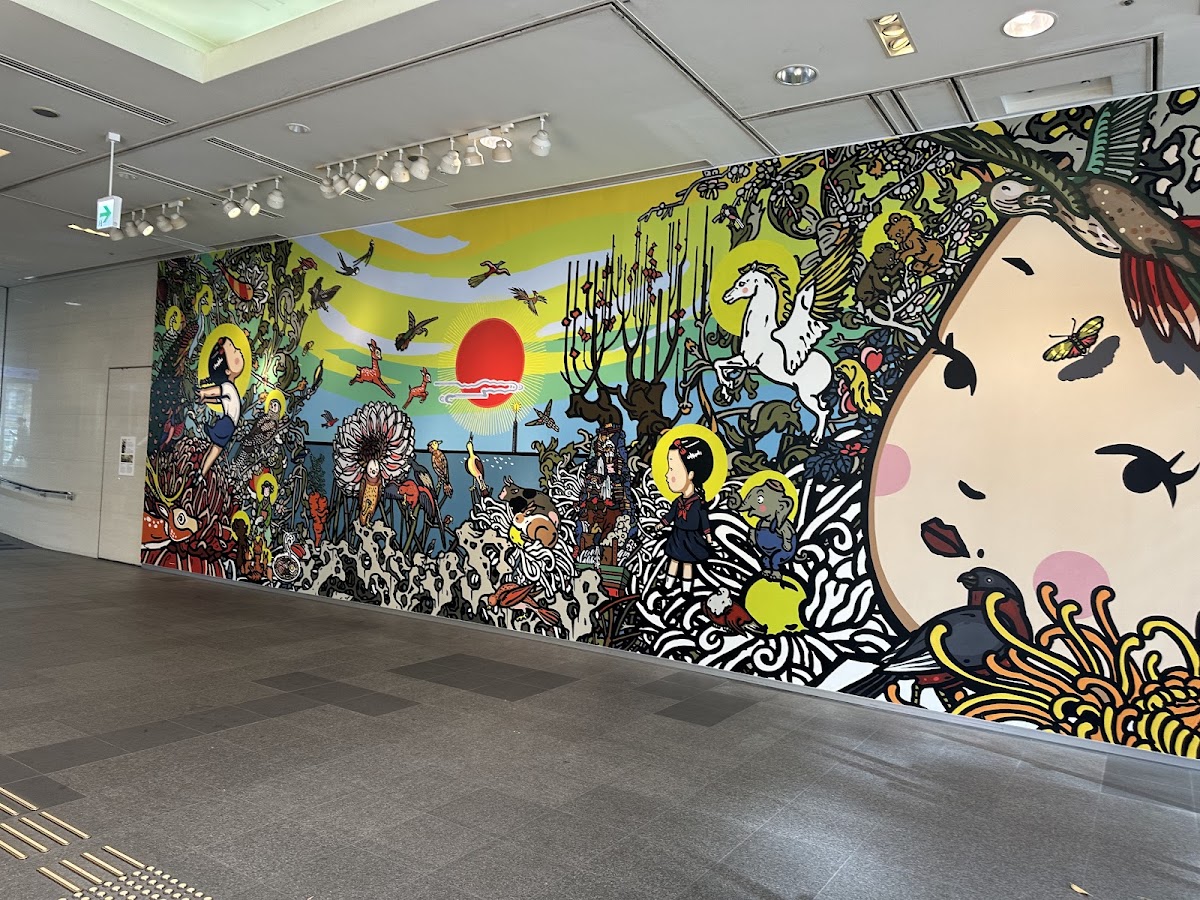
The Fukuoka Asian Art Museum (FAAM) stands as the world's first museum exclusively dedicated to modern and contemporary Asian art. Established in 1999, it is located on the 7th and 8th floors of the Hakata Riverain complex in Hakata Ward, Fukuoka City, Japan. This unique placement within a vibrant commercial and cultural hub, directly connected to Nakasu-Kawabata Subway Station, integrates art seamlessly into urban life.
Fukuoka's Historical Role and the Museum's Mission
Fukuoka's historical position as a gateway between Japan, the Korean Peninsula, and mainland China fostered a rich tradition of cultural exchange. This background provided fertile ground for the city to become a center for Asian contemporary art. FAAM was founded with the vision to systematically collect, research, and exhibit contemporary art from across Asia, challenging Western-centric art historical narratives and highlighting the diversity and creativity of Asian artists.
Extensive Collection and Diverse Programs
The museum's collection, comprising over 2,900 works since its inception, spans various mediums including painting, sculpture, installation art, and video art. These pieces represent artists from East Asia, Southeast Asia, and South Asia, reflecting the social, cultural, and historical contexts of their respective countries. The collection encourages visitors to explore themes of identity, tradition, social issues, and environmental concerns through the artists' unique perspectives.
FAAM actively promotes Asian art through key programs like 'Asian Focus,' which supports emerging artists, and the 'Fukuoka Triennale,' an international exhibition showcasing the latest trends in Asian contemporary art. These initiatives foster dialogue and collaboration among Asian artists, solidifying the museum's role in shaping the identity and global recognition of Asian contemporary art.
Architectural Features and Visitor Experience
The museum's interior design features high ceilings and an open structure, creating a spacious and comfortable environment. Exhibition areas are varied in size and shape, accommodating a wide range of artworks from two-dimensional pieces to large-scale installations. The strategic use of natural light enhances the visual experience, bringing out the vibrant colors and textures of the artworks. Windows within the museum offer panoramic views of Fukuoka city and the Hakata River, allowing visitors to connect the artistic inspiration with the urban landscape.
Visitor Information
Admission to the permanent exhibition is 200 yen for adults, 150 yen for high school students, and free for junior high school students and younger. Special exhibitions may have separate fees; visitors are advised to check the official website. The museum operates from 10:00 to 20:00, Tuesday to Sunday, with Sunday and public holiday closing at 18:00. It is closed on Mondays and during the New Year period (December 28 - January 4). Direct access from Nakasu-Kawabata Station (Exit 6) makes it highly accessible. For the latest operating hours and special exhibition details, checking the official website is recommended.
Visitor Info
| Location | Translating |
| Opened | Translating |
| Admission | Translating |
| Hours | Translating |
| Getting There | Translating |
| Translating | Translating |
| Official Site | https://faam.city.fukuoka.lg.jp |