대만 현대미술의 실험적 전진기지
대만 현대미술의 실험적 전진기지
MOCA Taipei: A Contemporary Art Hub in a Historic Setting
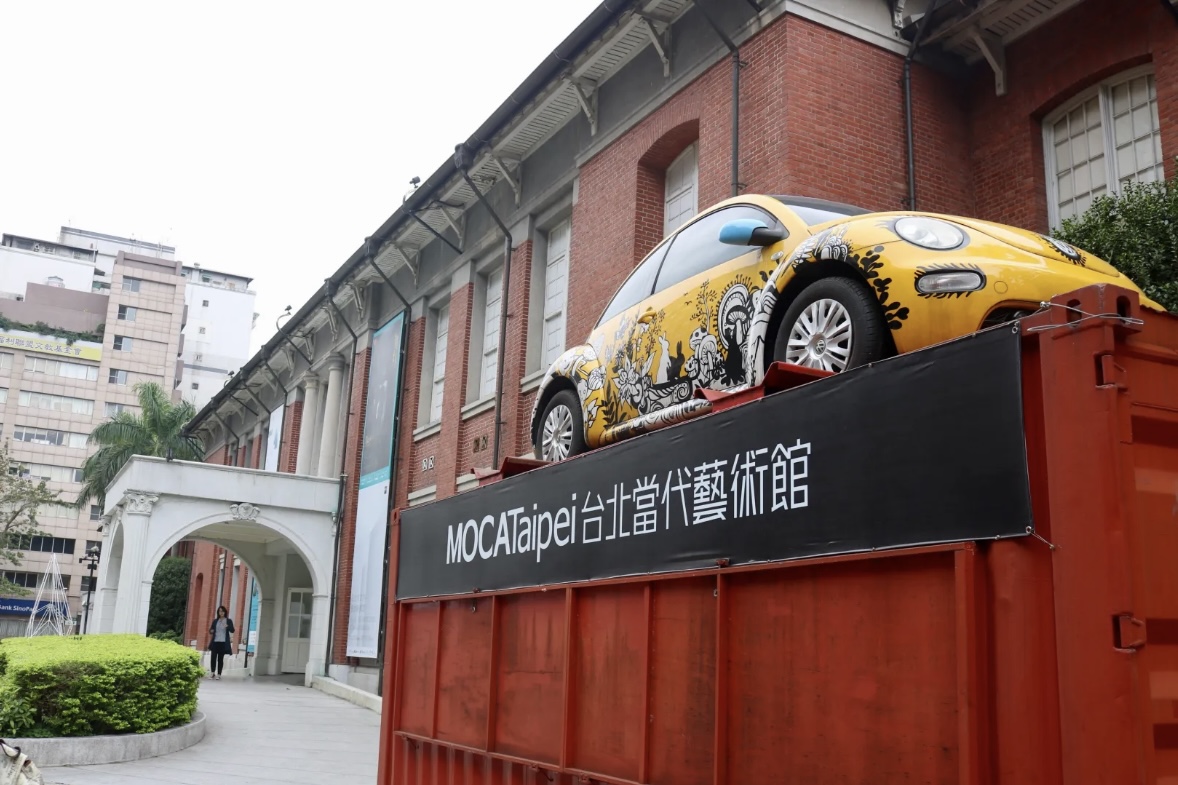
The Museum of Contemporary Art Taipei (MOCA Taipei), located at No. 39, Chang'an W Rd, Zhongshan District, is a distinctive red-brick building easily accessible from MRT Zhongshan Station. Opened in 2001, MOCA Taipei uniquely blends historical architecture with cutting-edge contemporary art, making it a significant cultural landmark in the city. Its central location near Taipei Main Station places it at the nexus of bustling commercial areas and traditional alleys, reflecting Taipei's diverse urban fabric.
From Schoolhouse to Museum: A Century of Transformation
The building's rich history dates back to 1921, when it was constructed during the Japanese colonial era as the Taipei First Elementary School. Its architecture features a robust red-brick facade, grand arched windows, and high ceilings, characteristic of the period. After decades as an educational institution and later as government offices, the venerable structure was repurposed in 2001 by the Taipei City Government. This transformation into Taiwan's first dedicated contemporary art museum marked a pivotal moment for the city's cultural development, breathing new life into a historic landmark.
Architectural Dialogue: Red Brick and Modern Expressions
MOCA Taipei's architecture is an integral part of its artistic identity. The exterior's warm red bricks and elegant arched windows offer a striking contrast to the modern cityscape. Inside, original schoolhouse features like high ceilings and wide corridors have been thoughtfully preserved, creating a unique atmosphere where historical echoes meet contemporary artistic expressions. Each exhibition space, once a classroom, now hosts diverse art forms. The building's historical elements, such as wall textures and original floor tiles, interact with contemporary installations, sometimes harmoniously, sometimes in bold juxtaposition, fostering a compelling dialogue between past and present. The former auditorium is frequently used for media art and performance, amplifying the impact of modern works within a historically resonant setting.
Exhibitions and Engagement: Exploring Contemporary Art
MOCA Taipei is dedicated to presenting the latest trends in contemporary art from Taiwan and globally. Its exhibition program is known for its experimental nature, encompassing diverse themes and formats, including thought-provoking installations, innovative new media art, and engaging performance pieces. The museum emphasizes visitor engagement, providing informative panels and frequently offering interactive art pieces and workshops. This approach encourages active participation and a deeper connection with the art, allowing MOCA Taipei to consistently deliver fresh perspectives and profound insights as a living, evolving art space.
Visitor Information
- Opening Hours: Tuesday to Sunday, 10:00 AM - 6:00 PM (Last admission 5:30 PM). Closed on Mondays, Lunar New Year, and public holidays.
- Admission Fee: General admission NT$50. Students/seniors NT$30. Children under 6 free. Taipei Art Pass holders free. Check official website for special exhibition pricing.
- Transportation: MRT Zhongshan Station (Exit 1) is a 3-5 minute walk. Taipei Main Station is a 10-15 minute walk or short MRT ride. Bus stops are also nearby.
- Official Website: https://www.mocataipei.org.tw
Visitor Info
| Location | Translating |
| Opened | Translating |
| Translating | Translating |
| Admission | Translating |
| Hours | 10:00~18:00 (Mon closed) |
| Getting There | Translating |
| Official Site | https://www.mocataipei.org.tw |