평화를 위한 기억, 인류에게 보내는 경고
평화를 위한 기억, 인류에게 보내는 경고
Nagasaki Atomic Bomb Museum: A Site of Memory and Warning
The Nagasaki Atomic Bomb Museum, located at 7-8 Hiranomachi, Nagasaki, Japan, stands as a solemn testament to the atomic bombing of August 9, 1945. It is situated approximately a 5-minute walk from Hamaguchimachi Station (Nagasaki Tram Line 1 or 3), in the Urakami district, which suffered immense devastation during the bombing.
The museum is closely linked to the Nagasaki Peace Park (1-minute walk) and the Atomic Bomb Hypocenter Park (5-minute walk). These three sites collectively form a crucial complex dedicated to remembering the tragic event, exposing the horrors of nuclear weapons, and advocating for global peace.
Establishment and Evolution
The museum first opened on August 10, 1955, marking the 10th anniversary of the atomic bombing. Its initial purpose was to preserve the memory of the atomic bomb's devastation, highlight the cruelty of war, and promote lasting world peace.
The current, modern facility was reopened in 1996. Since its inception, the museum has played a vital role in educating the world about the realities of atomic bomb damage and the importance of peace, with the 1996 renovation enhancing its exhibition spaces and archival capabilities.
The Tragedy of August 9, 1945
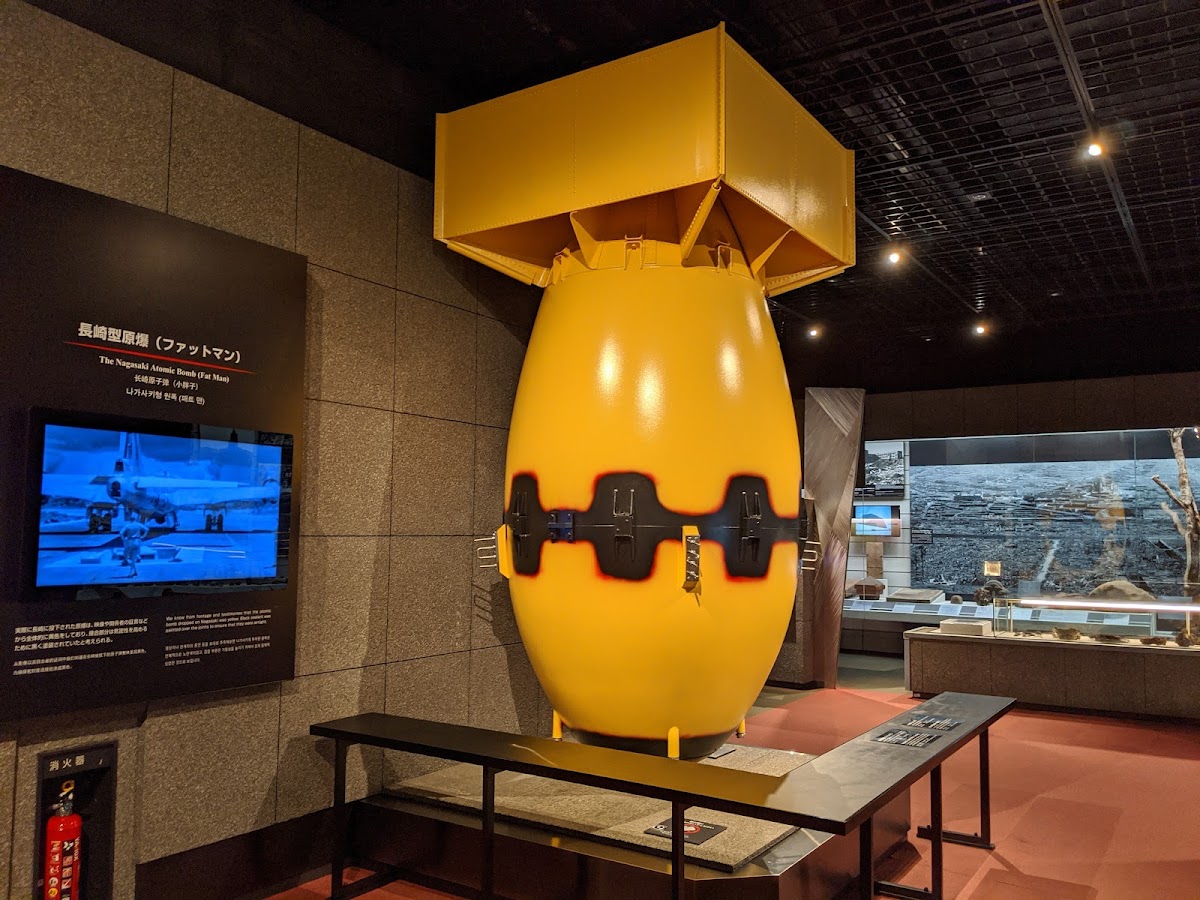
On August 9, 1945, at 11:02 AM, the atomic bomb "Fat Man" was dropped on Nagasaki, turning the city into ruins. This was the second and last use of a nuclear weapon in warfare, following Hiroshima.
The single bomb instantly killed approximately 74,000 people and caused long-term suffering from radiation exposure. The museum vividly recreates this tragic moment through various exhibits, conveying its horrors to future generations.
Mission: Remembering for Peace
The Nagasaki Atomic Bomb Museum's core mission extends beyond mere historical documentation. It aims to convey the full horror of nuclear weapons and ensure such a tragedy never recurs, serving as a powerful voice for peace worldwide.
It was established to inform about the devastation of war and to pursue enduring global peace. The museum highlights efforts for a nuclear-weapon-free world and showcases various global peace movements.
Exhibits and Collection
The museum houses an extensive collection of approximately 20,000 artifacts, including victims' belongings, photographs from immediately after the bombing, and survivor testimonies. These exhibits powerfully convey the horrific moments to visitors.
The displays trace the historical context of nuclear weapon development and use, continuously warning about their dangers. They clearly demonstrate the inhumanity and destructive power of nuclear weapons, emphasizing the importance of non-proliferation.
Key Artifacts
Prominent exhibits include glass bottles melted by extreme heat, a clock stopped at the moment of the blast, and charred school uniforms. These artifacts visually attest to the intense heat, blast, and destruction of the bombing.
Small flowers found amidst the ashes and children's shoes discovered in the ruins underscore the preciousness of life amidst the tragedy of war. Each artifact silently narrates the atrocities, delivering a potent message against war and for peace.
Nagasaki Museum of History and Culture
Located at 1-1-1 Tateyama, Nagasaki, the Nagasaki Museum of History and Culture opened on November 3, 2004. It preserves and exhibits Nagasaki's unique history and culture, focusing on its role as a hub for East-West cultural exchange.
The museum explores Nagasaki's history as the sole gateway for Western trade during Japan's isolationist Edo period, showcasing artifacts related to Dejima, trade with the Netherlands and China, and the persecution and revival of Christianity. Admission is 630 yen for adults, 310 yen for children. Open Tuesday to Sunday, 8:30 AM to 7:00 PM; closed Mondays.
Nagasaki City Dinosaur Museum
The Nagasaki City Dinosaur Museum, at 568-1 Nomomachi, Nagasaki, is a natural history institution dedicated to prehistoric life, particularly fossils found in the region.
It features dinosaur fossils discovered in Nagasaki Prefecture, including a large Tyrannosaurus tooth fossil from Ikitsuki Island. Admission is 500 yen for adults, 200 yen for high school students, and free for junior high students and younger. Open daily from 9:00 AM to 5:00 PM.
Visitor Information
- Nagasaki Atomic Bomb Museum: Adults 200 yen, high school students 100 yen, junior high students and younger free. Open 8:30 AM - 5:30 PM (extended to 6:30 PM from April-August, and 7:00 PM on Aug 7-9). Closed Dec 29-31.
- Nagasaki Museum of History and Culture: Adults 630 yen, children 310 yen. Open Tue-Sun 8:30 AM - 7:00 PM. Closed Mondays.
- Nagasaki City Dinosaur Museum: Adults 500 yen, high school students 200 yen, junior high students and younger free. Open daily 9:00 AM - 5:00 PM.
Visitor Info
| Location | Translating |
| Opened | Translating |
| Admission | Translating |
| Hours | Translating |
| Getting There | Translating |
| Translating | Translating |
| Official Site | https://nagasakipeace.jp |