과거의 도쿄, 에도 400년을 걸어서 통과하다
과거의 도쿄, 에도 400년을 걸어서 통과하다
Edo-Tokyo Museum: A Journey Through 400 Years of Tokyo's History
The Edo-Tokyo Museum, located at 1-4-1 Yokoami, Sumida City, Tokyo, offers a comprehensive exploration of Tokyo's 400-year history, from the Edo period to the present day. Opened in 1993, the museum is situated in Ryogoku, a historical district east of the Sumida River, known for its deep ties to Edo-era culture and as the home of sumo wrestling.
The museum's striking architecture, standing at approximately 62.2 meters tall, is inspired by traditional Japanese 'kura' (storehouses), reinterpreted with a modern vision. This distinctive design reflects the prosperity of the Edo period and the dynamic evolution of Tokyo as a global city. The museum is currently undergoing a major renovation from 2022 to 2025, aiming to enhance its facilities and exhibition experience. Visitors are advised to check the official website for reopening dates and operational updates.
Key Exhibitions and Visitor Experience
Upon entering, visitors are immediately transported to the Edo period by a full-scale replica of the Nihonbashi Bridge, which served as the starting point for all major roads in Edo and a bustling center of commerce and culture. Walking across this bridge offers a tangible connection to the past, setting the stage for a chronological journey through Tokyo's history.
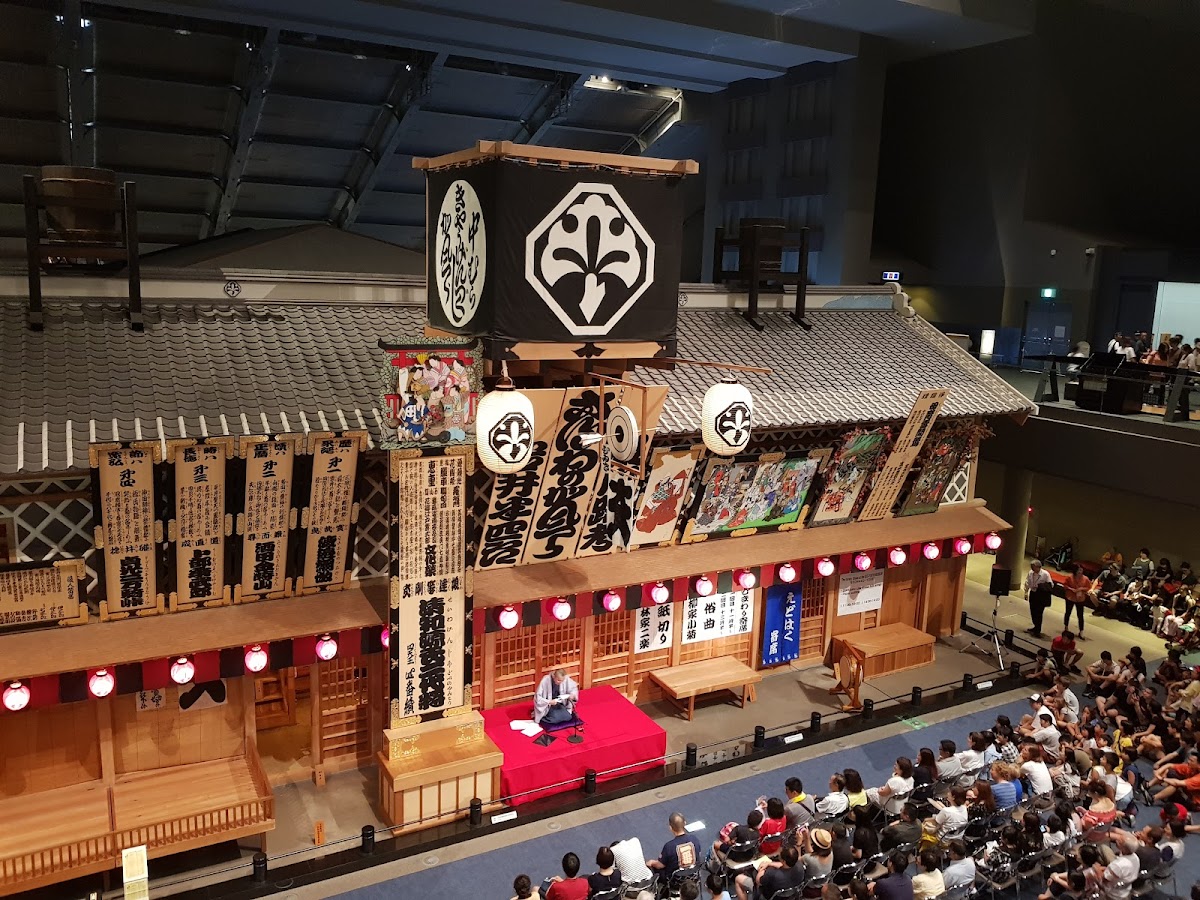
The Edo zone features meticulously crafted life-sized dioramas and models depicting various aspects of daily life, from samurai residences to commoners' 'nagaya' houses, bathhouses, theaters, and shops. Interactive exhibits, such as a woodblock printing demonstration and a palanquin ride, allow for a deeper, experiential understanding of Edo-era technology and customs. Artifacts including traditional crafts, clothing, and palanquins used in daimyo processions further illustrate the aesthetic sensibilities and craftsmanship of the period.
From Edo to Modern Tokyo: Transformations and Resilience
The museum then transitions to the Meiji period, showcasing how Edo transformed into Tokyo with the influx of Western culture and rapid modernization. Exhibits highlight the introduction of steam locomotives, Western-style architecture, and changing lifestyles, as documented through newspapers, magazines, and period clothing.
The 20th century section addresses the challenges Tokyo faced, including the Great Kanto Earthquake of 1923 and World War II. It illustrates the city's resilience and the efforts of its people to rebuild from devastation, culminating in Tokyo's re-emergence on the global stage with the 1964 Olympics and its subsequent high-growth era. The final sections explore contemporary Tokyo, showcasing its blend of advanced technology and tradition, and offering insights into the city's future trajectory.
Visitor Information
Admission fees are 600 yen for adults, 480 yen for university students, and 300 yen for high school students and seniors (65+). Junior high school students and younger enter free. The museum typically operates from 9:30 AM to 5:30 PM, with extended hours until 7:30 PM on Saturdays. It is closed on Mondays and during the New Year holidays (December 28 – January 1). Due to the ongoing renovation, visitors must confirm opening status via the official website.
The museum is highly accessible by public transport, located a 3-minute walk from JR Ryogoku Station (West Exit) and a 1-minute walk from Toei Oedo Line Ryogoku Station (A4 Exit). The surrounding Ryogoku area offers additional cultural experiences, including the Ryogoku Kokugikan sumo arena and numerous 'chanko-nabe' restaurants, reflecting the district's rich history and culinary traditions.
Visitor Info
| Location | Translating |
| Opened | Translating |
| Admission | Translating |
| Hours | Translating |
| Getting There | Translating |
| Notice | Translating |
| Official Site | https://www.edo-tokyo-museum.or.jp |