국립제주박물관 — 화산섬 제주의 역사와 문화를 한눈에
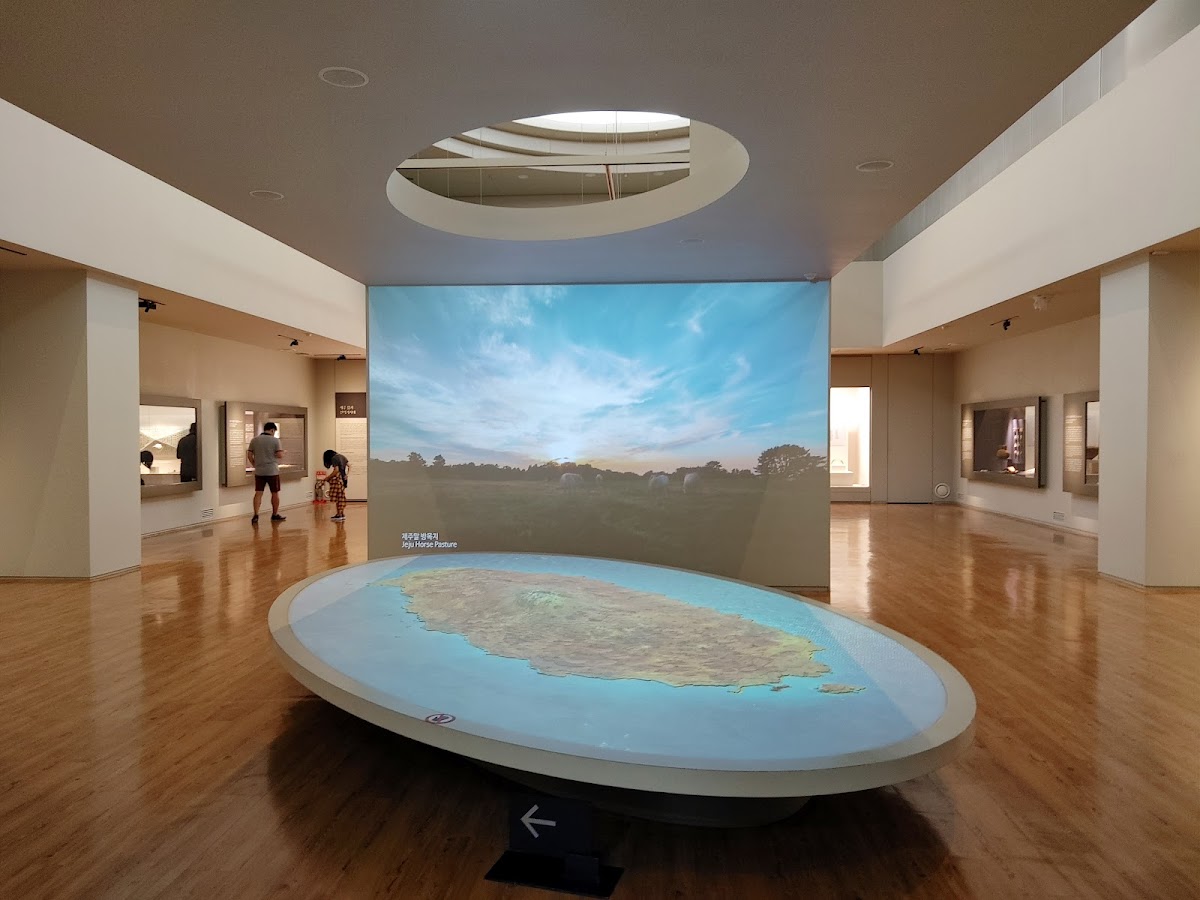
Jeju, an island forged by volcanoes. Located beyond the waves at the southern tip of the Korean Peninsula, this mysterious land has, over hundreds of thousands of years, nurtured a unique history and culture shaped by lava, wind, and human toil. Like a living geological museum and a witness to a grand history, Jeju Island holds its heart in the National Jeju Museum, a repository of knowledge that comprehensively encompasses the island's stories from prehistoric times to the modern era. The journey to the museum offers the thrill of opening a gateway to time itself. The lush surrounding forests and the elegant yet majestic building, seemingly crafted from Jeju's distinctive basalt, proudly showcase an architectural beauty that harmonizes with Jeju's nature, history, and art. Upon entering the building, Jeju's warm sunlight gently filters through the windows, embracing visitors in a cozy atmosphere. This is more than a mere exhibition of artifacts; it is a special place that evokes Jeju's past in the present through all five senses. Stepping into the lobby, a spacious and refreshing area unfolds, as if symbolizing Jeju's blue sea, and the gently flowing background music, resembling the sound of waves, calms the mind. The exhibition flow, meticulously planned by curators, naturally guides visitors to immerse themselves in Jeju's journey through time, admirably serving as a bridge connecting artifacts imbued with the breath of tens of thousands of years ago to the present.
Following Jeju's Time, Its Deep Traces
The exhibition's overture takes us back to the Paleolithic and Neolithic periods, where Jeju's oldest breaths are recorded, approximately 10,000 years ago. The Neolithic pottery and finely crafted arrowheads excavated from the Gosan-ri site in Jeju, though seemingly crude, vividly attest to how the ancient Jeju people pioneered their livelihoods and wisely survived amidst a harsh natural environment. Touching the rough texture of the pottery with your fingertips, you can almost feel the arduous lives and tenacious vitality of the ancestors. These artifacts reveal unique cultural patterns distinct from those of the Korean Peninsula, providing crucial clues to deeply explore Jeju's indigenous roots.
As time flows, we encounter the era of the brilliant maritime kingdom, Tamna (耽羅國). Formed since before the common era and evolving into an ancient state by the Three Kingdoms period, Tamna actively interacted with neighboring countries such as the Korean Peninsula, China, and Japan, flourishing with its own unique culture. The exhibition displays distinctive pottery shapes used by the people of Tamna, which seem to reflect the kingdom's pride in maintaining its unique identity despite influences from mainland cultures. Although historical records are scarce, each excavated artifact paints a vibrant picture of ancestors who communicated with the world through the sea.
The subsequent exhibition on the Goryeo and Joseon periods illuminates the tumultuous times Jeju experienced as it was incorporated into the history of the Korean Peninsula. In particular, the history of Jeju becoming a direct territory of the Yuan Dynasty during Mongol rule, used as a horse ranch, and the struggles of the Sambyeolcho resistance, resonate deeply with visitors. The spirit and sacrifices of the resilient Jeju people continue to profoundly influence the island's identity to this day.
The artifacts of Chusa Kim Jeong-hui, who endured exile in Jeju, showcase the pinnacle of artistic spirit blossoming amidst historical adversity. In the calligraphy books with his Chusache script carved into Bukhansan Bibong, or the inkstone and brush he personally used, one can discover traces of contemplation and introspection. Especially when viewing a replica of 'Sehando' (Wintry Days) which he completed during his exile in Jeju, the loneliness of being on a remote island and the unyielding spirit of the scholar are palpable, inspiring deep emotion. Jeju's harsh environment further deepened the artistry of Chusache, and his scholarship and artistic spirit became a significant catalyst for broadening Jeju's cultural horizons.
The Life and Spirit of Jeju People, The Sea of Haenyeo
The latter half of the museum focuses on Jeju's unique folklore and daily life, offering an opportunity to delve deeply into the island's way of living. The rugged yet benevolent smile of the Dol Hareubang, Jeju's symbol and guardian deity, brings comfort to the viewer's heart. Reflecting on the original placement and meaning of these stone grandfathers who guarded village entrances, one can discern the generous spirit of the Jeju people in their expressions. Furthermore, the Jeongjuseok and Jeongnang, which replaced gates in traditional Jeju houses, and the humble Olle Trail markers, provide a glimpse into the practical philosophy of life of the Jeju islanders who demonstrated wisdom in navigating the harsh winds and waves. These artifacts are not merely tools but the very traces of ancestors who sought to adapt to and live in harmony with Jeju's natural environment.
In particular, the dedicated section illuminating Haenyeo (sea diver) culture is a highlight of this museum. The lives of the Haenyeo, who plunged into the cold sea without diving equipment to sustain their livelihoods, were recognized globally for their value by being inscribed as a UNESCO Intangible Cultural Heritage of Humanity in 2016. The exhibition displays actual tools, crude but vital for survival, used by the Haenyeo as they battled the sea: the Taewak (buoy) used to hold precious sea products, the nun (goggles) that illuminated their way in murky waters, and the bichang (harvesting tool) used to gather seafood.
Through these artifacts, we are invited to imagine the rough breaths of the Haenyeo and the cold sensation of seawater brushing against the nose. Videos and soundscapes vividly recreate the Haenyeo's work and their melancholic 'Eoyiyado Sana' songs, which resonate like ocean waves, powerfully conveying their indomitable spirit, unyielding in the face of arduous diving. Their community culture, shaped by a life with the sea as their mother, is more than just a means of livelihood; it is a precious heritage showcasing the self-reliance, cooperative spirit, and coexistence with nature of Jeju's women. An interactive area where visitors can try on Haenyeo suits and touch their diving tools provides an opportunity to understand and empathize more deeply with the Haenyeo's lives, awakening a reverence for their noble sacrifices and the sea.
Jeju's Vision in the Embrace of Hallasan (feat. Travel Tips)
After completing your museum visit and stepping out into the garden, the majestic silhouette of Hallasan Mountain unfolds before your eyes, like a folding screen. The countless historical traces and stories encountered within the museum seem to culminate into a grand painting within the embrace of Hallasan, Jeju's mother mountain, offering a profound sense of awe. Hallasan, as seen from here, is not merely a landscape but a sacred presence, an eternal witness transcending Jeju's time, connecting past, present, and future.
We strongly recommend visiting the National Jeju Museum at the beginning of your Jeju trip to first encounter the island's deep history and culture. The insights gained here will add new meaning and depth to every piece of Jeju's land you tread and every landscape you encounter thereafter. Whether walking the Gotjawal forest paths, strolling along black basalt beaches, or observing Haenyeo diving in the distance, the knowledge and emotion derived from the museum will enrich every moment of your journey.
<Travel Tips>
- Optimal Visiting Season: While beautiful all year round, clear and crisp autumn or snow-covered winter are particularly good for enjoying the view of Hallasan from the museum garden. As it's an indoor exhibition, you can visit anytime regardless of the weather.
- Recommended Itinerary: After visiting the museum, consider heading to nearby Jeju Port or Dongmun Market to savor fresh Jeju seafood and various street foods, or take a stroll along the 'Sarapong' promenade behind the museum for beautiful panoramic views of Jeju City and the sea.
- Nearby Dining: There are many restaurants near the museum where you can taste traditional Jeju cuisine. We recommend trying a chewy Jeju black pork specialty restaurant or a fresh seafood restaurant to experience Jeju's culinary delights. Dongmun Market, in particular, is popular with travelers for its abundant food options.
- Souvenirs: At the museum's souvenir shop, you can purchase special souvenirs reflecting Jeju's history and culture. Crafts themed around Jeju Haenyeo or products inspired by the museum's collection are excellent for preserving precious memories of your Jeju trip.
The National Jeju Museum is more than a simple exhibition space; it is a sacred place where you can encounter the spirit and soul of Jeju. We sincerely hope you have a meaningful time here, understanding Jeju's past, feeling its present, and imagining its future.
Visitor Info
| Location | 제주특별자치도 제주시 Sun주동로 17 (건입동) |
| Opened | 2001년 |
| Admission | Free |
| Hours | Tue-Fri 10:00~18:00, Sat·Sun·공휴Sun 10:00~19:00 (Mon요Closed Sun, 1Mon 1Closed Sun) |
| Getting There | 제주 city centerBus 316·325·325-1·360·365번 제주박물관 Stop 하차 |
| 추천 관람 포인트 | 탐라국 Sat기 → 추사 김정희 유물 → 해녀 문Tue 특별관 |
| 공식 사이트 | https://jeju.museum.go.kr |
