인천, 아시아 최고급 리조트 속 현대미술관
인천, 아시아 최고급 리조트 속 현대미술관
Paradise City Art Space: Contemporary Art within a Luxury Resort
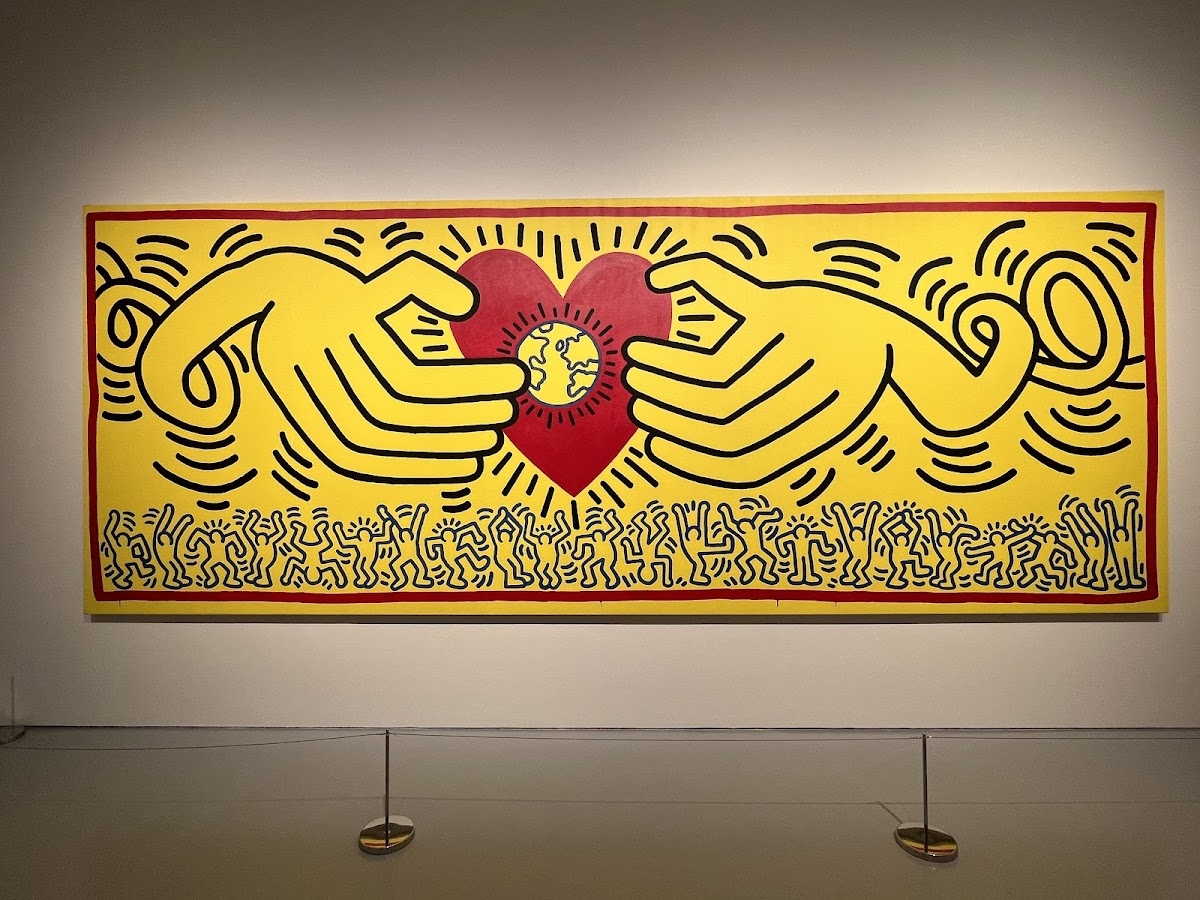
Located at 186 Yeongjonghaeannam-ro321beon-gil, Jung-gu, Incheon, Paradise City Art Space is an integral part of the Paradise City integrated resort on Yeongjongdo Island. Situated approximately 3km east of Incheon International Airport Terminal 1, it is easily accessible by a 10-minute shuttle bus ride from the airport or by maglev train. Opened in 2017, the Art Space functions as a corporate art venue, showcasing a world-class collection of contemporary art throughout the resort's various areas.
The Art Space itself is designed as an architectural artwork, featuring high ceilings and sophisticated lighting that accentuate the unique forms and colors of the exhibits. It offers a refined and immersive art experience, distinct from the lively atmosphere of the surrounding resort. The collection, comprising approximately 2,600 to 3,000 pieces, includes works by globally renowned artists such as Damien Hirst, Yayoi Kusama, and Takashi Murakami. Notable pieces include Jeff Koons' 'Gazing Ball - Venus,' Alessandro Mendini's 'Proust' chair, Damien Hirst's dot paintings and butterfly series, and Yayoi Kusama's pumpkin sculptures. The art is strategically placed in lobbies, art clubs, and outdoor areas, allowing guests to encounter it naturally during their stay. The venue also hosts regular special exhibitions at Art Paradiso, an outdoor sculpture park, and an art garden, making it a significant hub for Korean contemporary art accessible to international travelers.
Incheon Children's Science Museum: An Interactive Learning Environment
The Incheon Children's Science Museum, located at 21 Bangchuk-ro, Gyeyang-gu, Incheon, is a hands-on science education center designed for young learners. Accessible by bus transfer from Incheon Subway Line 1's Imhak or Gyesan Stations, the museum features diverse permanent and special exhibitions alongside interactive programs tailored for children. Its vibrant and dynamic exterior reflects the energetic learning environment within.
The interior design utilizes colorful and curved forms, creating a bright and soft atmosphere that encourages exploration, unlike traditional rigid museums. High ceilings and an open layout ensure free movement, while ample natural light enhances the lively ambiance. Exhibits are organized into themes such as 'Earth Village,' 'Human Body Village,' and 'Science Exploration Village,' with architectural elements closely integrated into each theme. For instance, 'Human Body Village' incorporates tunnels and slides resembling internal body structures, engaging children in learning. The museum functions as a large educational tool and play space, stimulating children's imagination and curiosity through direct interaction and experience. It operates Tuesday to Sunday, 09:30-17:30, with admission fees of 2,000 KRW for children and 4,000 KRW for youth/adults.
Incheon Metropolitan City Museum: Tracing the City's History
Situated at 26 Cheongnyang-ro 160beon-gil, Yeonsu-gu, Incheon, the Incheon Metropolitan City Museum is reachable by foot from Songdo Station (Suin-Bundang Line) or a 15-minute walk from Munhak Sports Complex Station Exit 2. Established in 1946, it is Korea's first public museum, dedicated to systematically collecting, preserving, and exhibiting the history and culture of Incheon. The museum building itself is a beautiful example of 1930s Japanese-style architecture.
Incheon has played a pivotal role in Korea's modern and contemporary history, particularly as a port city facing the West Sea. The museum's exhibits trace the city's journey from prehistoric times, showcasing artifacts like dolmens from Ganghwa Island. A significant focus is on the opening of Incheon Port in 1883, which transformed the city into a gateway for Western culture and a symbol of modernization. The museum displays detailed records of the Jemulpo foreign settlement, the introduction of Western architectural styles, and early modern artifacts, including items related to the Gyeongin Line, Korea's first railway.
The collection of approximately 20,000 items also covers the painful periods of Japanese colonial rule and the Korean War, highlighting the significance of the Incheon Landing Operation, the city's devastation, and its subsequent reconstruction. The museum extends its narrative to contemporary Incheon, characterized by its international airport and Free Economic Zone, contrasting its present development with its historical past. It operates Tuesday to Sunday, 09:00-18:00, and offers free admission.
Visitor Info
| Location | Translating |
| Opened | Translating |
| Admission | Translating |
| Hours | Translating |
| Getting There | Translating |
| Highlights | Translating |
| Official Site | https://www.p-city.com/art |