에비스, 사진과 영상으로 보는 세계
에비스, 사진과 영상으로 보는 세계
Tokyo Photographic Art Museum — A Cultural Hub in Ebisu Garden Place
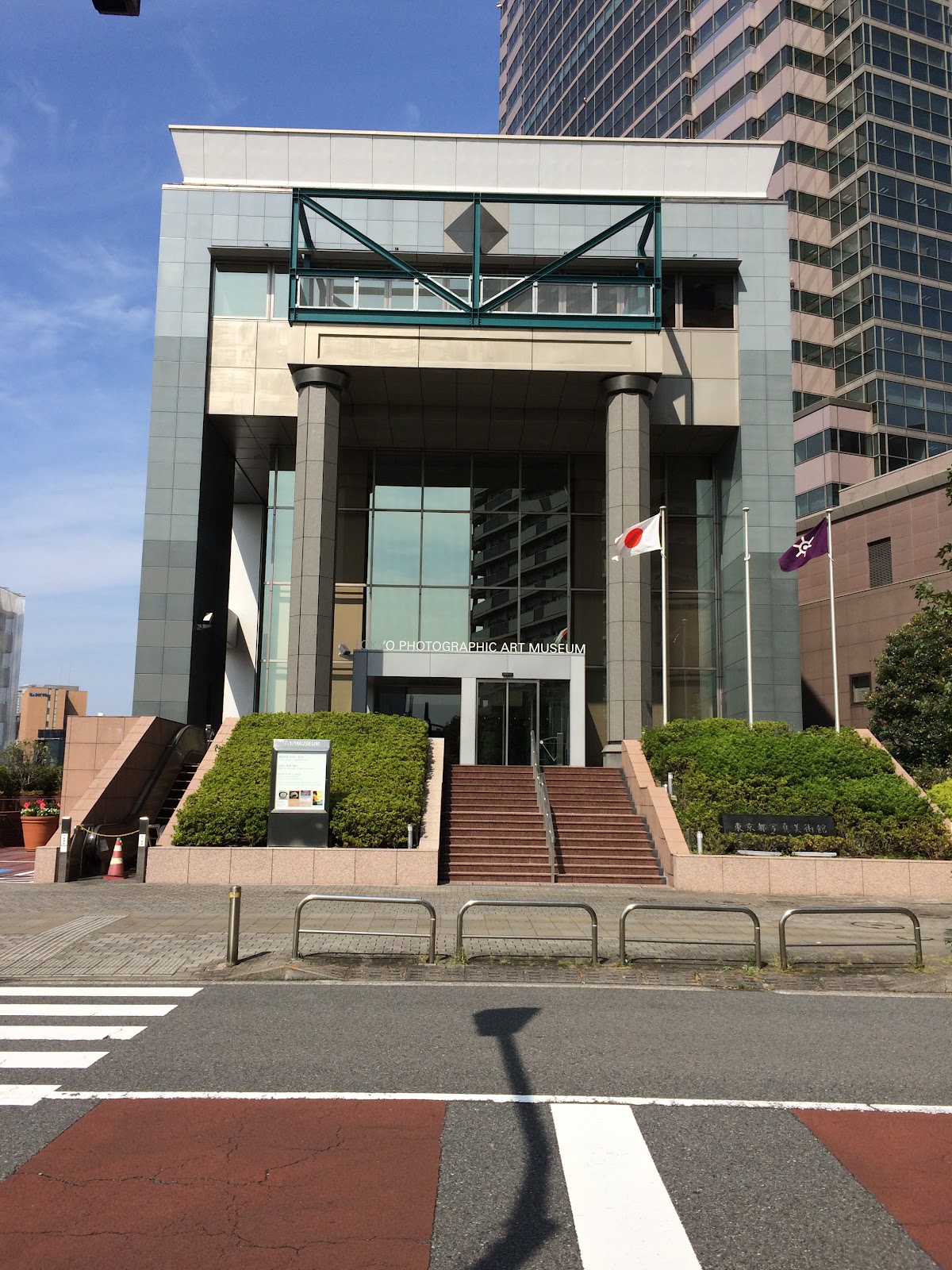
The Tokyo Photographic Art Museum (TOP Museum) is located within Ebisu Garden Place, at Mita 1-13-3, Meguro City, Tokyo, Japan. It is approximately a 7-minute walk from JR Ebisu Station East Exit, accessible via the Sky Walk moving walkway. From Tokyo Metro Hibiya Line Ebisu Station Exit 1, it takes about 10 minutes on foot. Ebisu Garden Place offers a tranquil atmosphere, distinct from the city's hustle, with well-maintained landscaping and European-style architecture. The museum's modern exterior harmonizes with its surroundings.
Ebisu Garden Place is a comprehensive cultural complex, featuring various commercial facilities, restaurants, and hotels alongside the museum. A visit to the museum can be combined with a stroll through Ebisu Garden Place, making for an ideal half-day itinerary. This area serves as a significant cultural hub for both Tokyo residents and visitors, providing opportunities for relaxation and cultural enjoyment. Its location prepares visitors for a contemplative experience of photographic and video art.
Establishment and Mission — Opened in 1995 as Japan's First
The Tokyo Photographic Art Museum officially opened in January 1995, holding the distinction as Japan's first public museum dedicated to photography and video. Its establishment aimed to preserve, research, and exhibit photographic art, thereby promoting its value to the public. The museum recognizes the historical and artistic significance of photography as a medium, systematically managing and transmitting it to future generations.
Beyond a mere exhibition space, TOP Museum functions as a comprehensive cultural institution encompassing the history and present of photographic and video media. It poses profound questions about the impact of photography and video on human life and society, and the new perspectives they can offer. Since its opening, the museum has focused on exploring and preserving the infinite possibilities of photographic art.
Architectural Design — Spaces Shaped by Light and Shadow
The museum's architecture is contemporary yet blends seamlessly with its environment. Its interior design uniquely utilizes light and shadow to create a serene and mysterious ambiance, inviting visitors to moments of contemplation. The flow through the exhibition spaces is carefully designed to enhance immersion in the artworks.
The architectural planning considered both functional and aesthetic aspects to best present visual art. Interior walls, floors, and ceilings are finished simply to allow focus on the artworks. The interplay of natural light and artificial illumination is adjusted for each exhibition, playing a crucial role in subtly revealing the delicate textures and colors of photographic and video works.
Extensive Collection — Documenting from 1868 to the Present
The Tokyo Photographic Art Museum boasts an extensive collection of photographs and video works dating from 1868 to the present. It notably includes valuable works that illuminate the history of modern and contemporary Japanese photography, serving as essential resources for understanding the evolution of Japanese photographic art. The collection is diverse, organized by era and theme, showcasing the broad spectrum of photographic art.
Works by renowned international artists are also part of the collection, including photographic and video art by global masters such as Duane Michals and Nobuyoshi Araki. These works demonstrate that photography and video are not merely documentary tools but powerful artistic mediums for expressing human emotions, thoughts, and social messages. The collection continues to expand through ongoing research and acquisition activities.
Exhibition Layout — A Three-Story Visual Narrative
The museum's exhibition spaces span three floors. Each floor possesses a unique theme and atmosphere, hosting special exhibitions by leading domestic and international photographers throughout the year. Visitors experience diverse visual narratives, traversing past, present, and future as they move between floors. The exhibition areas are flexibly designed to maximize the presentation of each artwork's characteristics.
Within each gallery, lighting and visitor flow are adjusted to suit the scale and format of the works. From video installations on large screens to small photographic prints requiring intricate detail, various exhibition forms are accommodated. This spatial arrangement helps visitors deeply engage with each piece and discover the multifaceted appeal of photographic and video art. The continuous flow of exhibitions across floors creates a cohesive narrative, offering a rich visual experience.
Engaging with Exhibitions — Historical and Contemporary Perspectives
The museum consistently explores the infinite possibilities of photography and video through diverse thematic exhibitions. From portraiture, landscape, and documentary photography to fashion photography and experimental video art, new themes and formats are encountered with each visit. Each exhibition highlights different facets of photographic and video art.
These exhibitions go beyond mere display, offering detailed curation that explains the artist's intent and historical context. This approach helps visitors gain a deeper understanding of the works, recognizing that photography and video are powerful tools for expressing human emotions, conveying social messages, and testifying to history, rather than just visual records. The curated exhibitions play a crucial role in expanding the boundaries of photographic and video media and fostering new discourse.
Visitor Information — Planning Your Visit
The Tokyo Photographic Art Museum is easily accessible by public transport. It is about a 7-minute walk from JR Ebisu Station East Exit, conveniently connected by the 'Sky Walk' moving walkway to Ebisu Garden Place. From Tokyo Metro Hibiya Line Ebisu Station Exit 1, it is approximately a 10-minute walk.
Operating hours are generally from 10:00 AM to 6:00 PM. On Thursdays and Fridays, hours are often extended until 8:00 PM. Last admission is 30 minutes before closing. The museum is regularly closed on Mondays; if Monday is a public holiday, the following weekday becomes the closing day. The museum may also close during year-end holidays and exhibition changeovers, so checking the official website for precise hours and closing days before visiting is essential.
Admission and Tips — Enhancing Your Museum Experience
The Tokyo Photographic Art Museum primarily hosts special exhibitions, with no permanent exhibition. Therefore, admission fees vary by exhibition, typically ranging from 700 to 1,500 JPY for adults. Prices may be higher for special exhibitions. Student or group discounts may be available; it is advisable to check the official website for current exhibition admission fees before visiting.
While most exhibitions allow on-site ticket purchase, online advance booking for specific time slots may be recommended or required for popular special exhibitions. Especially on weekends and public holidays, crowds can be significant, so checking the official website for reservation requirements and purchasing tickets in advance if possible is recommended. This helps reduce waiting times and allows for a more relaxed viewing experience. The inspiration gained here contributes to broadening one's perspective on daily life and the world.
Visitor Info
| Location | Translating |
| Opened | Translating |
| Admission | Translating |
| Hours | Translating |
| Getting There | Translating |
| Translating | Translating |
| Official Site | https://topmuseum.jp |