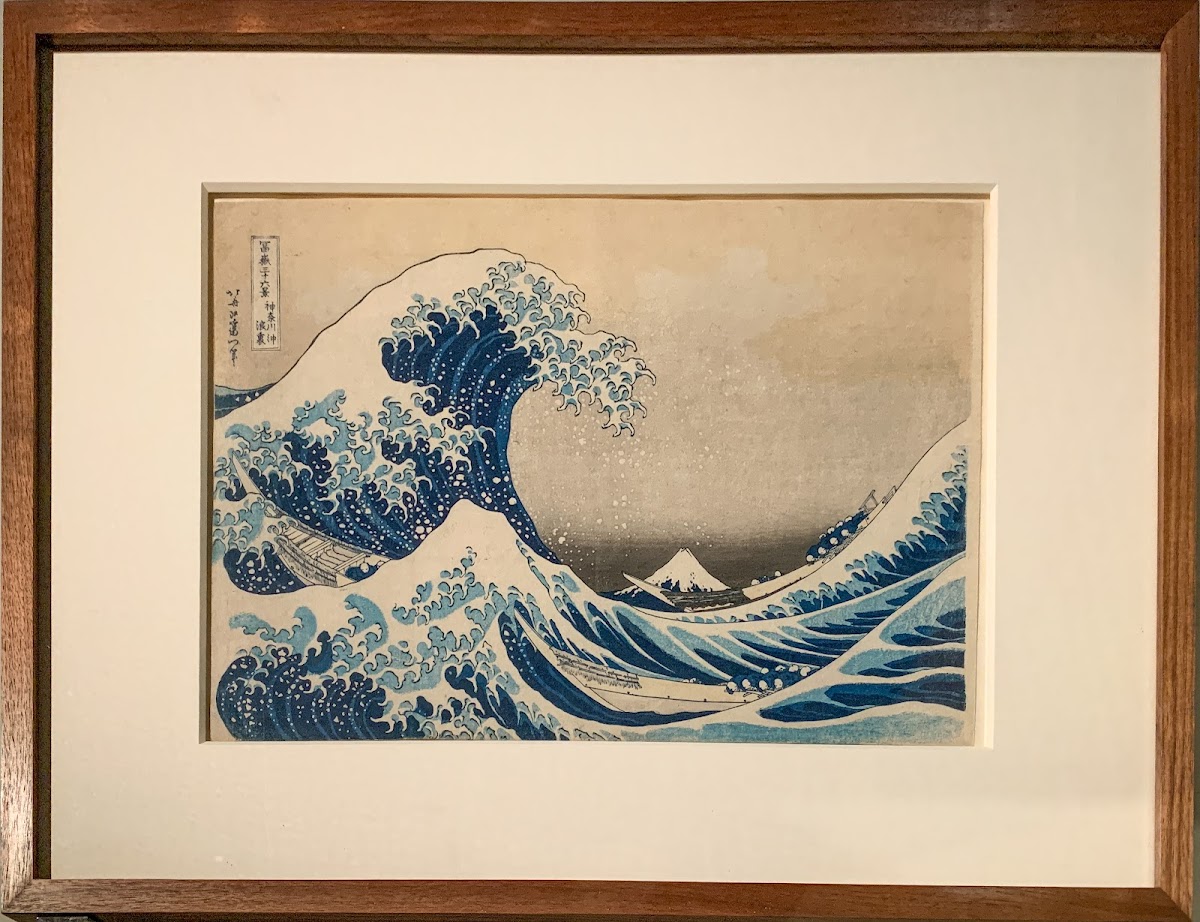
도쿄 롯폰기, 일본 전통 공예의 심미안적 보고
도쿄 롯폰기, 일본 전통 공예의 심미안적 보고
Suntory Museum of Art — Roppongi, Tokyo: A Repository of Traditional Japanese Craft
The Suntory Museum of Art is located on the 3rd floor of Tokyo Midtown Galleria, Akasaka, Minato-ku, Tokyo. It is directly connected to Roppongi Station (Hibiya and Oedo Lines), Exit 8, within the Tokyo Midtown complex. This institution specializes in traditional Japanese crafts and decorative arts, offering a serene cultural experience amidst the bustling Roppongi district.
Founded in 1961 by the Suntory Foundation, the museum operates under the philosophy of "Art in Life," aiming to make art accessible and relevant to daily existence. Its collection spans various traditional crafts, including ceramics, glass, lacquerware, textiles, paintings, and folding screens, showcasing the aesthetic sensibilities and craftsmanship of Japan across centuries.
The museum underwent a significant relocation and redesign in 2007, led by renowned Japanese architect Kengo Kuma. Kuma's design emphasizes natural materials, particularly wood louvers, and incorporates natural light to create a warm and inviting atmosphere. This design enhances the viewing experience, allowing visitors to appreciate the intricate details and textures of the traditional artworks.
Key highlights of the collection include tea ceremony utensils, which embody the Japanese aesthetic of 'wabi-sabi'—finding beauty in simplicity and imperfection. The textile collection, particularly Edo-period kimonos, illustrates how natural beauty and seasonal changes were intricately woven into wearable art. The museum also hosts special exhibitions that explore specific themes, eras, or materials, sometimes highlighting cultural exchanges such as the historical interaction between Shimazu ceramics and Dutch Delftware.
Tokyo National Museum — Walking Through Japan's Storied Past
The Tokyo National Museum is situated in Ueno Park, Taito-ku, Tokyo, approximately a 10-minute walk from JR Ueno Station's Park Exit. As Japan's oldest and largest museum, it began its history with an exhibition at Yushima Seido in 1872, reflecting Japan's efforts to preserve its cultural identity during the Meiji Restoration.
The museum's main building, the Honkan, is a notable example of the 'Imperial Crown Style,' blending traditional Japanese roofing with Western architectural elements. Its vast collection, exceeding 100,000 items, covers Japanese art from ancient times to the modern era, as well as cultural heritage from across Asia.
Significant sections include the Heiseikan, which houses archaeological artifacts from the Jomon, Yayoi, and Kofun periods, offering insights into ancient Japanese life. The Horyuji Treasure Hall features precious Buddhist artworks, including the Baekje Kannon, underscoring the deep cultural exchanges within East Asia. The museum serves as a comprehensive chronicle of Japan's rich history and artistic evolution.
teamLab Planets TOKYO DMM — An Immersive Digital Art Experience
teamLab Planets is located at 6-1-16 Toyosu, Koto City, Tokyo, just a 1-minute walk from Shin-Toyosu Station on the Yurikamome Line. Opened in 2018, this innovative digital art museum offers an immersive, multi-sensory experience where visitors become part of the artworks.
The experience begins with walking barefoot through water-filled corridors, disconnecting visitors from everyday reality. Notable installations include 'Drawing on the Water Surface Created by the Dance of Koi and People – Infinity,' where digital koi fish interact with visitors' movements in ankle-deep water, and 'The Infinite Crystal Universe,' a dazzling space of light and mirrors that visitors can influence with their smartphones.
Another captivating area is 'Floating Flower Garden; Flowers and I are of the Same Root, the Garden and I are One,' a constantly changing digital flower field that evokes a sense of peace and the cycle of life. teamLab Planets challenges traditional art viewing by transforming visitors into active participants, offering a unique blend of art, technology, and sensory engagement.
Visitor Information for Tokyo's Museums
Suntory Museum of Art: Admission fees vary by exhibition, typically around 1,000-1,500 JPY. Open Wednesday to Sunday, 10:00-18:00, with extended hours until 20:00 on Fridays and Saturdays. Closed on Tuesdays. Located on the 3rd floor of Tokyo Midtown Galleria. Advance booking may be recommended for special exhibitions; check the official website for details.
Tokyo National Museum: Admission is 1,000 JPY for adults. Open Tuesday to Sunday, 09:30-17:00. Closed on Mondays. Located within Ueno Park, approximately a 10-minute walk from JR Ueno Station. Advance booking may be recommended for special exhibitions; check the official website for details.
teamLab Planets: Admission for adults is approximately 3,800 JPY, varying by day and time. Open daily from 09:00-21:00, with last entry at 20:00. Located a 1-minute walk from Shin-Toyosu Station. Advance booking is mandatory, and time-slot reservations are required. On-site ticket purchases are limited or unavailable. Always check the official website for the most current operating hours and booking information.
Visitor Info
| Location | Translating |
| Opened | Translating |
| Architect | Translating |
| Admission | Translating |
| Hours | Translating |
| Getting There | Translating |
| Official Site | https://www.suntory.com/sma |