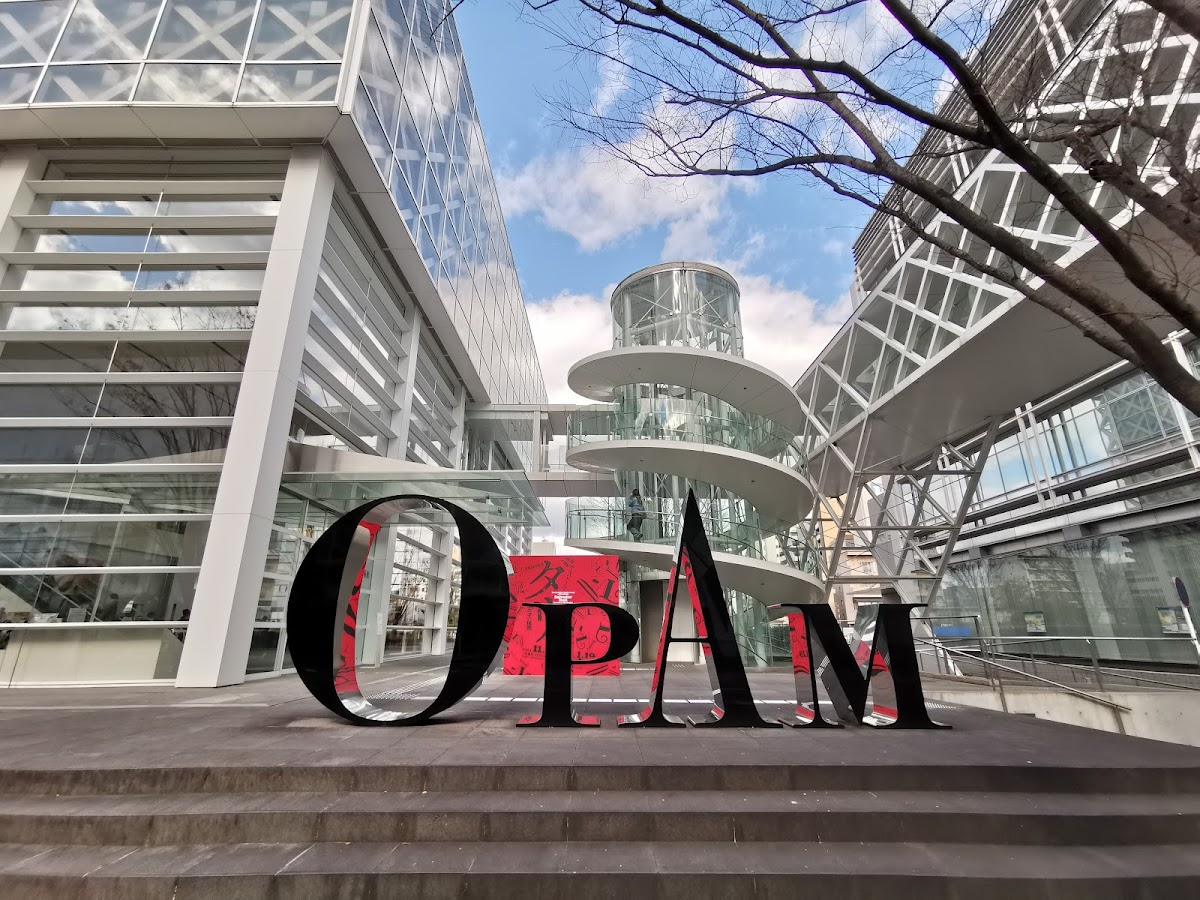
OPAM 오이타 현립미술관 — 반 목조 건축으로 지역 공동체를 잇다
Oita: A City of Art Infused with the Breath of Architectural Masters
Oita Prefecture, located in the eastern part of Japan's Kyushu island, is not merely a region blessed with beautiful natural landscapes. It is renowned as a treasure trove of contemporary architecture, where the visions of world-class architectural masters have come to life. Global luminaries such as Arata Isozaki, a master architect born in Japan, Kengo Kuma, known for emphasizing harmony with nature, and Shigeru Ban, celebrated for his humanitarian architecture, have all left their unique signatures on Oita's urban landscape. This extraordinary architectural spectacle has been able to flourish on Oita's open and progressive cultural foundation. In this city, which resembles a living architectural museum, one particularly noteworthy structure is the OPAM (Oita Prefectural Art Museum). Designed by Shigeru Ban, who received the Pritzker Architecture Prize—often called the Nobel Prize of architecture—in 2015, OPAM stands as a symbol representing Oita's artistic soul. It embodies his profound philosophy of connecting with the local community and harmonizing with nature. Beyond being a mere museum, OPAM offers visitors deep inspiration and profound emotion. Let us now embark on a journey to OPAM.
OPAM: Shigeru Ban's Vision of Openness and Connection
OPAM is situated in the heart of Oita city, standing as a grand work of art in itself. The visual impact upon first encountering the building is striking. In particular, the distinctive 'lattice wood' structure, which gracefully envelopes the entire first floor facade, imparts both a powerful and warm impression. This lattice, a modern reinterpretation of ancient Japanese traditional wooden architecture and aesthetics, plays a crucial role beyond simple decoration, maximizing the building's transparency and openness. During the day, sunlight gently filters through the lattice, creating an ever-changing spectacle of light and shadow within the interior spaces. One feels the cozy tranquility of standing beneath the shade of a colossal tree, and the external scenery filtering through the lattice blurs the boundary between the museum and the outside world. At night, the warm light emanating from within softly spreads through the lattice structure into the night sky, beautifully illuminating the city. Shigeru Ban earned global acclaim as a 'humanitarian architect' for building temporary shelters from paper tubes in disaster-stricken areas. His philosophy, 'architecture for everyone,' is clearly evident in OPAM as well. The entire first floor is designated as the 'Art Plaza,' a public square open to citizens even on non-exhibition days, allowing them to freely come and go. The high ceilings, expansive space, and glass facade, offering views of the outside from anywhere, break down the barriers between the exterior and interior, providing visitors with a sense of liberation and familiarity. Here, local artists occasionally hold small performances, and children's laughter echoes as they play freely. A cafe, with the subtle aroma of coffee, offers visitors a time for rest and contemplation. Ban Shigeru's warm perspective, that a museum should not merely be a space for storing and displaying artworks but a vibrant hub for community interaction, permeates every corner of the building. The faint echoes with every step, the sound of the wind seeping through the lattice, and the low murmur of people blend to create a living, breathing space. The lattice structure, beyond its aesthetic appeal, also serves a functional role in enhancing the building's durability in Japan's earthquake-prone environment, allowing us to glimpse his ceaseless endeavors to create human-centered spaces by transcending material limitations.
A Sanctuary of Art: Bridging Tradition and Modernity
The second and third floors of OPAM serve as exhibition spaces that deeply explore Oita's artistic identity. Here, dynamic works by contemporary artists based in the Oita region harmoniously blend with the beauty of Japan's ancient traditional crafts. Oita Prefecture, in particular, has long been renowned as a hub for traditional crafts, especially Takézaiku (竹細工, bamboo crafts) and Oita pottery. Bamboo crafts are a unique art form that has developed in Oita, utilizing the region's abundant bamboo resources. Bamboo itself is a material that embodies both strength and flexibility, as well as the freshness of nature. Oita's artisans infuse the spirit of nature into the process of meticulously splitting and weaving bamboo. Each intricate pattern reflects the artisan's years of dedication and arduous effort, and the smooth tactile sensation conveys the delicate beauty inherent in bamboo. In the exhibition hall, visitors can encounter a diverse spectrum of bamboo crafts, from experimental works by contemporary sculptors exploring the material properties of bamboo to traditional baskets and daily utensils that have been passed down for centuries. Oita pottery, too, has evolved through a long history based on rich clay and water, showcasing diverse styles. From rustic everyday pottery with a rough texture to artistic pieces distinguished by delicate patterns and graceful curves, each kiln possesses a unique character. The distinctive glazes, created by Oita's unique local clay and minerals, possess a charm found nowhere else, making Oita pottery truly special. OPAM regularly hosts special exhibitions that demonstrate how these traditional crafts meet contemporary artists' perspectives to create new artistic dialogues. It is at this intersection, where past and present, tradition and innovation collide and converge, that Oita's unique art world unfolds. These special exhibitions do not merely retrace the past but reveal the astonishing variations that can emerge when tradition merges with contemporary vision. Installation art utilizing traditional craft techniques or experimental sculptures with bamboo as the main material offer visitors both familiarity and a fresh impact, stimulating artistic imagination. In the tranquility that permeates the exhibition spaces, the powerful message emanating from each artwork and the weight of craftsmanship transcending time deeply resonate with the audience.
Beyond the Museum Walls: Oita's Enchanting Charms
Oita City serves as a crucial gateway for Kyushu travel and is located on the route to Beppu (別府), which boasts Japan's largest output of hot spring water, and Yufuin (湯布院), a picturesque art village. Thus, it offers a perfect travel itinerary encompassing culture, nature, and relaxation. After fully savoring the artistic inspirations at OPAM, we recommend venturing into other charms of Oita Prefecture. First, head to Beppu to experience its 'Hell Onsen (Jigoku Onsen) area.' In Beppu's Hell Onsen district, you can explore nine unique hot springs, each with different colors and compositions, marveling at the wonders of nature. The intense crimson of 'Blood Pond Hell' captivates the eye, while the mysterious blue of 'Sea Hell' leaves a profound impression. The scent of sulfur tickles the nose, and the hot steam on the skin provides a special experience that makes you forget your fatigue. You will be enchanted by its surreal beauty, as if it were a landscape from another world. Afterward, moving to Yufuin to enjoy the tranquil atmosphere of its art village is also highly recommended. Yufuin is particularly famous for the misty morning scenery around Lake Kinrin. Strolling along the lakeside, you can feel a peace so profound that time seems to stand still. In the charming shopping streets, you can browse Oita's local specialties and handicrafts, and enjoy a fragrant cup of coffee in one of the unique cafes. Discovering hidden gem artworks in the small, beautiful galleries is also a pleasure not to be missed.
Practical Tips for Your Oita Journey
Best Time to Visit: The best time to visit Oita Prefecture, including OPAM, is during the mild seasons of spring (March to May) and autumn (September to November). In spring, especially, the cherry blossoms in full bloom make the museum's surroundings even more beautiful. In summer, the cool interior of the museum can offer a refuge, while winter is excellent for combining with a warm hot spring trip.
Transportation: A limousine bus operates from Oita Airport to Oita city center, and OPAM is conveniently located about a 10-minute walk from Oita Station, making it highly accessible. Beppu and Yufuin are easily reachable by train (JR) or bus.
Oita's Cuisine: Oita is also famous as a gourmet destination, and its diversity and freshness enhance the satisfaction of your trip. 'Toriten' (とり天), a type of fried chicken served with a refreshing ponzu sauce, is Oita's signature soul food that you must try. Fresh seafood is a privilege unique to Oita. Fresh sashimi and sushi, caught directly from the Seto Inland Sea and the Pacific Ocean, are enough to captivate any gourmand's palate. Furthermore, 'Bungo Beef' (豊後牛), considered one of Japan's top three Wagyu brands, offers an unforgettable taste with its tender texture and rich juices. Many local eateries are also abundant near the museum, so add the pleasure of gourmet dining after your art appreciation.
Accommodation: Oita city offers a wide range of modern accommodations, from business hotels to boutique hotels. In Yufuin or Beppu, staying at a traditional Ryokan (旅館) to enjoy private hot spring baths and exquisite Kaiseki cuisine will offer a special and memorable experience.
The Oita Experience: A Journey for the Senses
The Oita Prefectural Art Museum, OPAM, goes beyond mere architecture and art, serving as a bridge connecting the past, present, and future of the local community. In the open spaces imbued with Shigeru Ban's architectural philosophy, you can simultaneously experience Oita's deep history, craftsmanship, and the vitality of contemporary art. With tranquil yet powerful artworks, a living and breathing architectural marvel, and the beautiful nature and rich culinary delights stretching beyond, Oita is a special destination that satisfies all five senses. We sincerely hope you find your artistic inspiration here and create unforgettable memories. Oita will offer you new perspectives and enriching experiences in your life.
Visitor Info
| Location | Sun본 오이타현 오이타시 (大分市寿町2-1) |
| Opened | 2015년 |
| Architect | 반 시게루 (坂茂 / Shigeru Ban Architects) |
| Admission | 1층 Free 개방 / 기획전 Sun반 300~1,000엔 / 18세 이하 Free |
| Hours | 10:00~20:00 (전시실은 19:00까지 / 연중무휴) |
| Getting There | JR 오이타Stn from walk 5min |
| 공식 사이트 | https://www.opam.jp |
