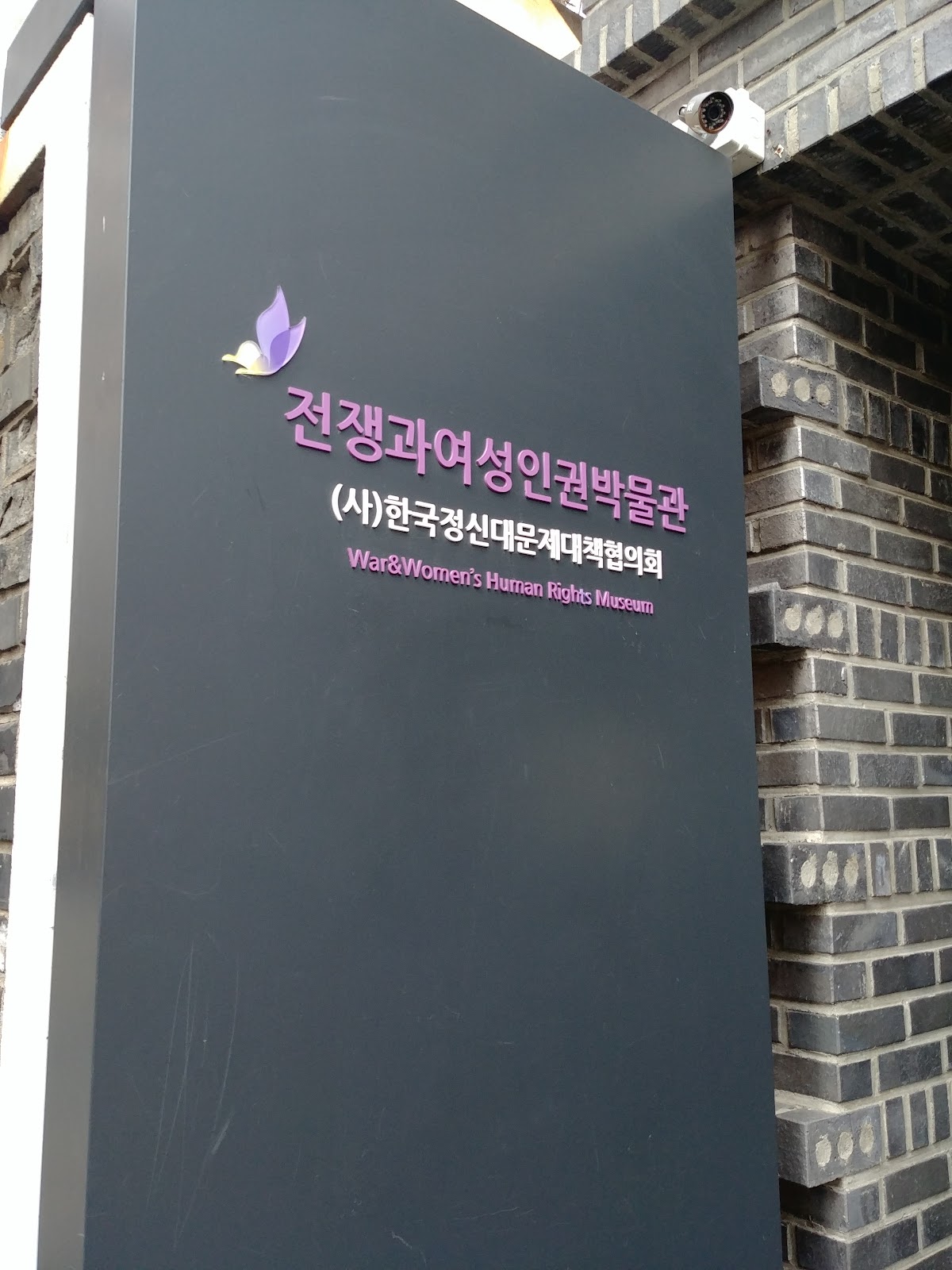
전쟁과여성인권박물관 — 서울 마포, 일본군 위안부 역사를 기억하는 공간
War and Women's Human Rights Museum: Embracing the Pain of History, Facing the Future
Walking through the tranquil residential alleys of Seongsan-dong, Mapo-gu, Seoul, one might stumble upon a seemingly humble, yet profoundly weighty, special place: the War and Women's Human Rights Museum. This is more than just an exhibition space; it is a 'House of Memory' built to confront the truth of a painful history, restore the dignity of those who suffered, and pass on the values of peace and human rights to future generations. Opened in 2012, this museum stands as the world's first specialized institution dedicated to the history of Japanese military sexual slavery, often referred to as "comfort women." Its significance is further deepened by the fact that it was established not with government support, but solely through the voluntary participation and donations of over 1.9 million citizens nationwide. Every brick, every exhibit, is imbued with the fervent wishes and solidarity of ordinary people. Its modest exterior blends naturally with the surrounding environment, yet its powerful internal message delivers a deep, unforgettable resonance.
Through the Tunnel of Memory, Facing the Voices of Survivors
Upon entering the museum, visitors are greeted by the 'Tunnel of Memory,' a space that seems to transcend time and space. As one walks along the softly lit walls in the dim light, the noise from the outside world gradually recedes, replaced by a quiet reverence within. This tunnel is not merely a passage; it is an entrance into a time of suffering, a bridge connecting past and present, and the beginning of a journey to retrieve fragments of history that almost sank into the river of oblivion. At the end of the tunnel, a wider exhibition hall awaits, where videos of elderly survivors, who bravely came forward to reveal the truth despite their age, play softly. The sorrow and anguish etched on their wrinkled faces, coupled with an undying dignity and resilience, penetrate the heart more powerfully than any elaborate exhibit. The faint voices heard in the videos and the pain visible in their eyes vividly convey not just historical records, but the living suffering and endurance of human beings, offering visitors a profound opportunity for reflection.
Living Legacy: Their Lives Etched in the Exhibition Halls
The core of this museum lies in its 'living voices.' Throughout the exhibition halls, detailed records unfold, revealing how the system of Japanese military sexual slavery began, how it operated, and the brutal scars it left on countless women. Here, one finds not only historical documents supporting the facts but also letters and drawings personally penned by the grandmothers, containing memories they had to bury in their hearts their entire lives. These fragments of their lives, sometimes expressed in hesitant handwriting, sometimes in earnest drawings, evoke deep sorrow and awe in the viewer. The space where the names of countless individuals who could not return to their homeland after liberation and had to end their lives in foreign lands are etched one by one on the wall is particularly solemn. These names are not mere characters; they are records of precious lives that must never be erased, indelible proofs of a history we must never forget. Furthermore, the materials chronicling over 25 years of 'Wednesday Demonstrations'—activism aimed at resolving the "comfort women" issue—showcase the persistent fighting spirit of the grandmothers and citizens who have ceaselessly demanded the truth. These records convey not just stories of the past, but the vivid reality of an ongoing human rights movement.
Expanding Towards the Universality of Human Rights: War and Violence Against Women
The War and Women's Human Rights Museum does not confine the issue of Japanese military sexual slavery merely within the context of diplomatic disputes between Korea and Japan. Instead, it approaches this issue as a universal problem of violence against women repeatedly perpetrated in extreme wartime situations, broadening its perspective to the wide horizon of global history. Materials on wartime sexual violence cases that occurred in Europe during World War II, and the suffering endured by women in numerous conflict zones including the Korean War and the Vietnam War, are displayed alongside. Through this, visitors realize that the "comfort women" issue is not a tragedy confined to specific nations or peoples, but a universal human rights issue that all humanity must reflect upon. This approach establishes the museum's identity beyond a 'museum for victims' to a 'museum for acting women's human rights.' It serves not only to remember past pain but also to ceaselessly warn and educate to prevent the repetition of similar tragedies in the future, functioning as a hub for global solidarity to advance women's rights worldwide.
A Memorial Space for Peace and Hope: The Garden of Remembrance
Stepping out of the exhibition halls into the museum courtyard, visitors are greeted by a quiet and cozy memorial space. Here, amidst lush trees and soft foliage, yellow butterfly sculptures are installed, seemingly flying peacefully. The yellow butterfly symbolizes the grandmothers' return home, liberation, and peace, carrying a message of hope. This is a meditative place that honors the grandmothers' pain and praises their courage, while simultaneously reminding future generations of the preciousness of peace. Along with the 'Statue of Peace' in front of the Japanese Embassy, this museum serves as an important symbol and educational venue, demonstrating how Korean society remembers and heals historical pain, while also striving to pass on a responsible historical consciousness to future generations. Sitting in the tranquil garden, feeling the gentle breeze, one can simultaneously experience the weight of past history and the hope for future peace.
Visitor Information and Practical Tips
Location and Accessibility: The War and Women's Human Rights Museum is located at 50-6 Seongsan-dong, Mapo-gu, Seoul. It is approximately a 10-minute walk from Mapo-gu Office Station (Line 6, Exit 5). Situated within a quiet residential alley, the walk there can also be a moment for quiet contemplation. Public transportation is recommended, as parking around the museum may be limited.
Operating Hours and Visiting Tips: The museum operates from Tuesday to Saturday, 11:00 AM to 6:00 PM (last admission at 5:00 PM). It is closed on Sundays, Mondays, and public holidays. A typical visit takes about 1 to 1.5 hours, but if you wish for a more in-depth experience, it is recommended to allow 2 hours or more. Especially, visiting on a weekday morning will allow for a more calm and immersive viewing experience. Please note that photography may be restricted for certain exhibits; kindly follow the guidelines. As the content includes distressing material, careful guidance from parents is necessary when visiting with young children.
Nearby Attractions and Dining: After visiting the museum, you can easily travel by public transport to areas like Mapo-gu Office Station vicinity, Hongdae, or Yeonnam-dong for meals or relaxation. Around Mapo-gu Office, there are various Korean restaurants and cafes, perfect for a quiet meal or a cup of tea to digest the impressions from your visit. Yeonnam-dong, in particular, boasts charming shops and unique cafes, offering another kind of delight for those who appreciate art and culture. After your visit, a light stroll to clear your mind or finding related books at a nearby bookstore to continue your historical reflection would also be good options.
Visitor Info
| Location | 서울시 마포구 Mon드컵북로11길 20 (성산동) |
| Opened | 2012년 |
| Admission | Sun반 ₩5,000 / Youth·시니어 ₩3,000 / 6세 이하 Free |
| Hours | Tue-Sun 11:00~17:00 (Mon요Closed Sun, 법정공휴Closed Sun) |
| Getting There | Subway 6 Line Mon드컵경기장Stn 1번 Exit walk 7min |
| 추천 대상 | 교육 Thu적 단체 방문, Stn사 기행, 인권·평Tue 주제 여행 |
| 공식 사이트 | https://www.womenandwar.net |
