다자이후, 아시아 교류의 시각으로 본 일본 문화사
다자이후, 아시아 교류의 시각으로 본 일본 문화사
Kyushu National Museum: A Gateway to Asian Exchange in Dazaifu
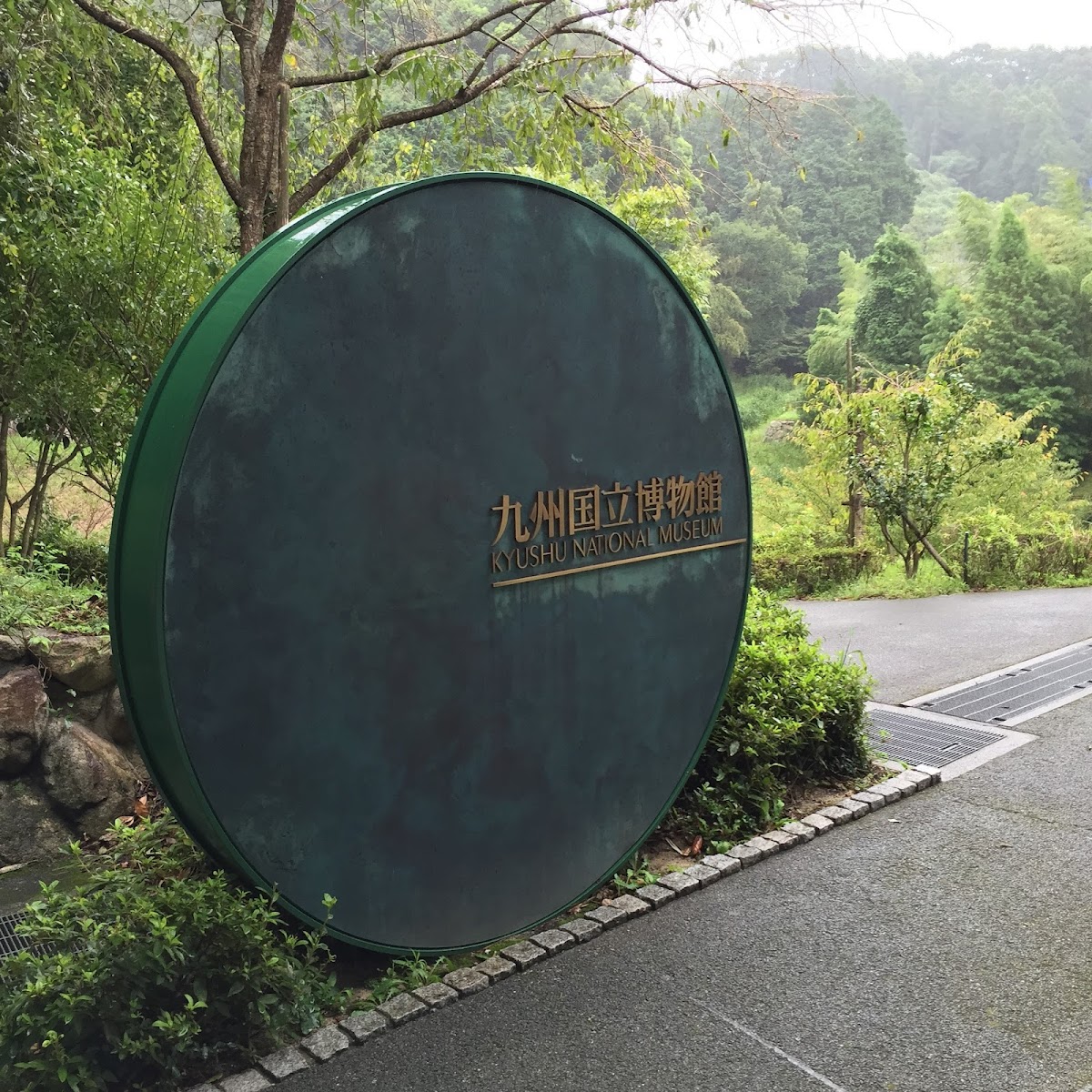
Located at 4-7-2 Ishizaka, Dazaifu, Fukuoka, the Kyushu National Museum stands as a striking architectural marvel amidst lush greenery. Opened in 2005, it is Japan's fourth national museum, following those in Tokyo, Kyoto, and Nara, and the first in the Kyushu region. The museum is a 10-minute walk from Nishitetsu Dazaifu Station, accessible via the historic Dazaifu Tenmangu Shrine.
The museum's unique mission is to understand Japanese culture through the lens of its historical exchanges with Asia. Its location in Dazaifu is significant, as this area served as a crucial administrative and diplomatic hub, facilitating the flow of culture, technology, and ideas between Japan, the Korean Peninsula, China, and beyond, from ancient times.
Architectural Harmony: A Blue Wave in the Forest
Designed by Kiyonori Kikutake, the museum's exterior resembles a colossal blue wave rising from the hillside. Its curvilinear roof, crafted from blue glass and metallic panels, harmonizes with the surrounding mountains, reflecting the changing light and blending seamlessly with nature. This organic design creates an impression of a structure that is both modern and deeply rooted in its environment.
The journey to the museum itself is an integral part of the experience. A long, covered escalator and moving walkway transport visitors through the quiet forest, creating a meditative transition from the bustling shrine area to the contemplative space of the museum. This approach prepares the mind for the historical and cultural treasures within.
Inside the Museum: Expansive Spaces and Cultural Exchange
Upon entering, visitors are greeted by vast, open exhibition halls bathed in natural light from the immense skylights. This expansive, column-free interior fosters a sense of awe and comfort, allowing for an unobstructed view of the exhibits and a fluid visitor flow. The design symbolically connects Kyushu's past, present, and future, reflecting the museum's core theme of cultural interaction.
The permanent exhibition, titled 'Cultural Exchange Exhibition,' chronologically showcases the vibrant history of interaction between Japan and various Asian countries. It highlights how the Japanese archipelago absorbed diverse cultures, technologies, and philosophies from the Asian continent, transforming them into its unique cultural identity. Artifacts from the Korean Peninsula, such as Silla pottery fragments and ancient Japanese Buddhist statues influenced by Baekje styles, demonstrate deep historical ties.
Treasures of the Silk Road: Evidence of Interconnectedness
The museum's collection features a rich array of artifacts that serve as tangible evidence of cross-cultural exchange. Exquisite Chinese Tang Dynasty celadon and silk fragments illustrate the international cultural currents that swept across East Asia. Glassware and Persian-style metalwork from distant Western regions confirm Kyushu's role as a vital eastern outpost of the Silk Road.
These exhibits are not merely beautiful objects; they are powerful narratives of how civilizations influenced each other, fostering new cultures and innovations. Detailed explanatory panels accompany the artifacts, inviting visitors to explore the background and connections of each piece, offering a profound understanding of humanity's long history of mutual learning and evolution, transcending national boundaries.
Dazaifu's Historical Significance and Surrounding Attractions
Dazaifu's historical importance as a gateway for diplomatic and trade relations with the Asian continent is central to the museum's narrative. It was through this region that Buddhism, Confucianism, Chinese characters, and various technologies were introduced to Japan, profoundly shaping its society and culture.
After visiting the museum, exploring the Dazaifu area is highly recommended. The scenic walking path connecting the museum to Dazaifu Tenmangu Shrine offers a glimpse into ancient Japan. The shrine, dedicated to Sugawara Michizane, the deity of scholarship, attracts numerous visitors. Along the path, charming shops offer local delicacies like 'Umegae Mochi' and traditional crafts, providing a holistic cultural experience that bridges ancient history with modern life.
Visitor Information: Admission, Hours, and Access
Admission to the permanent exhibition is 700 yen for adults and 350 yen for university students. Visitors aged 18 and under can enter for free. Special exhibitions have separate fees, and it is advisable to check the official website for detailed information.
The museum operates from 9:30 AM to 5:00 PM, Tuesday through Sunday, with last entry 30 minutes before closing. It is closed on Mondays and during the New Year holidays (December 28 to January 1). Visitors are encouraged to confirm the latest operating hours on the official website before their visit.
Visitor Information: Transportation and Tips
To reach the museum from Fukuoka city, take a Nishitetsu Dazaifu Line express train from Nishitetsu Fukuoka (Tenjin) Station to Nishitetsu Dazaifu Station, a journey of approximately 30 minutes. From Dazaifu Station, the museum is about a 10-minute walk through the Dazaifu Tenmangu Shrine grounds, with a convenient moving walkway available.
Alternatively, the 'Mahoroba-go' community bus from Dazaifu Station provides direct access to the museum. No prior reservation is required for the permanent exhibition. However, for special exhibitions, checking the official website for information or potential reservations is recommended. The area around Dazaifu Tenmangu offers various dining options, including the famous 'Umegae Mochi,' soba, udon restaurants, and charming cafes.
Visitor Info
| Location | Translating |
| Opened | Translating |
| Admission | Translating |
| Hours | 9:30~17:00 (Mon closed) |
| Getting There | Translating |
| Translating | Translating |
| Official Site | https://www.kyuhaku.jp |