빈, 바로크 궁전이 품은 유럽 최대 사유 미술관
빈, 바로크 궁전이 품은 유럽 최대 사유 미술관
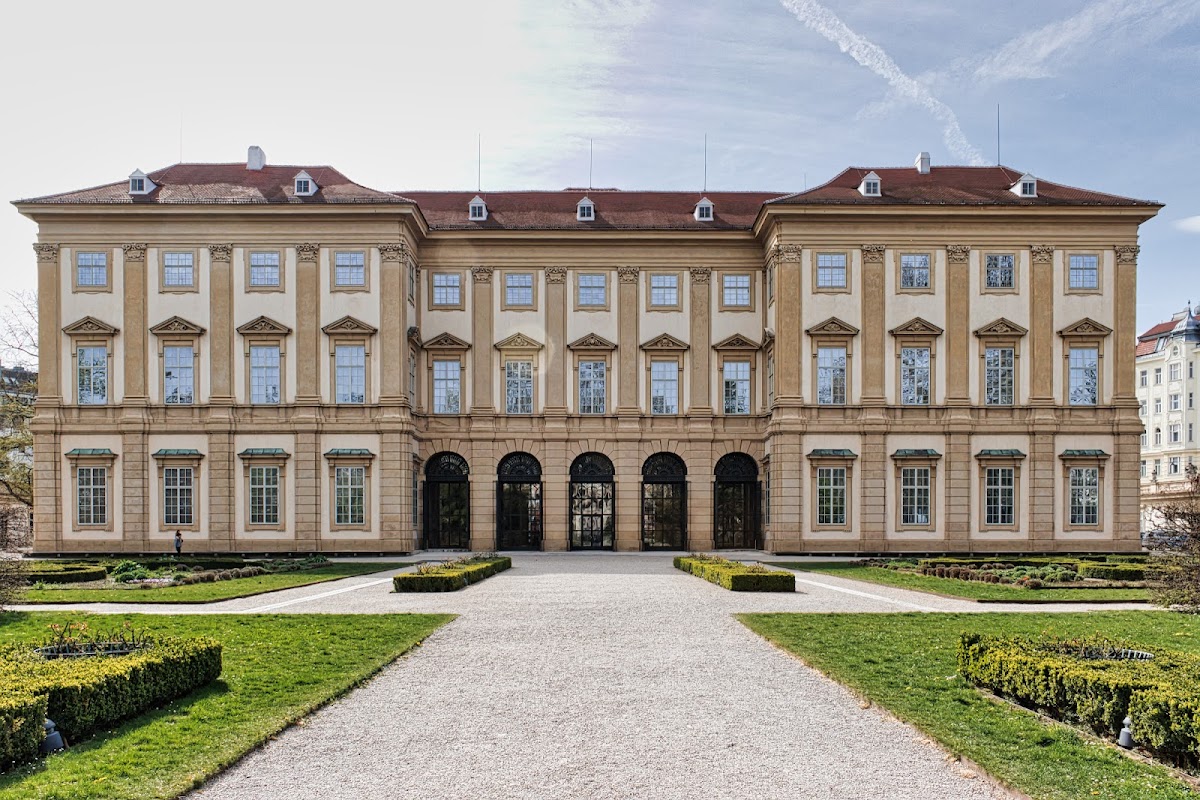
The Liechtenstein Garden Palace: A Baroque Gem in Vienna's 9th District
The Liechtenstein Museum, housed within the magnificent Liechtenstein Garden Palace (Gartenpalais Liechtenstein), is located at Fürstengasse 1, 1090 Vienna, in a quiet residential area of the city's 9th district. This grand Baroque edifice stands in striking contrast to its modern surroundings, its imposing facade and expansive, meticulously maintained gardens immediately capturing attention. It is not merely a museum but a living historical monument and a work of art in itself.
The palace serves as the primary home for the extensive private art collection of the Princely Family of Liechtenstein, a collection amassed over 700 years. This makes it one of Europe's largest private museums, showcasing the family's profound understanding and passion for art, rather than just wealth. The collection provides a comprehensive overview of European artistic developments from the Renaissance through the Baroque and Rococo periods.
A Legacy of Art: The Princely Collections
The Liechtenstein Princely Family has been a significant patron of the arts from the 17th to the 19th centuries, commissioning works from leading artists and continuously acquiring important pieces. This rich legacy is evident throughout the museum, where masterpieces are not simply displayed but are integrated into the palace's original architectural design. Luxurious furnishings, exquisite ceramics, tapestries, and paintings collectively create a unified aesthetic experience within each room.
A highlight of the collection is the majestic Hercules Hall, featuring a breathtaking ceiling fresco by Andrea Pozzo depicting the 'Labours of Hercules.' This Baroque masterpiece creates a powerful illusionistic effect, making the ceiling appear to open up to the heavens. The sheer scale and detail of the fresco, combined with the grand columns and sculptures, offer a truly immersive artistic experience. The palace also hosts classical concerts in this hall, offering a unique opportunity to experience the space.
Masterpieces and Periods: Rubens, Renaissance, and Biedermeier
Among the most notable works are Peter Paul Rubens' monumental tapestry series, the 'Decius Mus Cycle.' These tapestries, appearing as if custom-made for the palace, adorn the high walls, their dynamic brushwork and vibrant colors perfectly harmonizing with the Baroque architecture. Beyond Rubens, the collection includes works by European masters such as Raphael and Rembrandt, spanning the Italian Renaissance, Baroque, and 18th-century Biedermeier periods. Early Dutch paintings, known for their meticulous detail, and dramatic Italian Baroque works are also prominently featured.
The Biedermeier art pieces offer insights into the aesthetic sensibilities and daily life of the middle class during that era. This diverse collection, encompassing various periods and styles, underscores the depth and breadth of the Liechtenstein Museum's holdings, offering a journey through centuries of European art history within an authentic historical setting.
Visiting the Museum: Guided Tours and Essential Information
The Liechtenstein Museum reopened to the public in 2004, but it operates differently from conventional museums due to its status as a private princely palace. Visits are primarily by guided tour, typically offered on specific afternoons, often Fridays. Special exhibitions or events may allow for additional opening times. Given the limited access and capacity, advance booking via the official website is essential, as entry without a reservation may not be possible.
Admission for a guided tour is approximately €20-25 for adults, with potential discounts for online bookings or students. Visitors are advised to check the official website for the most current information on operating hours, ticket prices, and booking requirements. The museum's relatively uncrowded environment allows for a more intimate and focused appreciation of the art and architecture, offering a personal journey through this historic residence.
The museum is accessible by public transport. Take the D tram to 'Bauernfeldplatz' stop, or the U4 subway line to 'Friedensbrücke' station, followed by a short walk or tram transfer. Bus 40A also stops at 'Liechtensteinstrasse/Bauernfeldplatz.' The journey from Vienna Central Station (Wien Hauptbahnhof) takes approximately 20-30 minutes by tram and subway. Within the palace gardens, 'Salettl' offers a cafe and restaurant with garden views. Nearby, 'Gasthaus Rebhuhn' serves traditional Austrian cuisine, and 'Restaurant Livingstone' provides international dining options, all within walking distance.
Visitor Info
| Location | Translating |
| Opened | Translating |
| Admission | Adult €15 / Student €10 |
| Hours | Translating |
| Getting There | Translating |
| Translating | Translating |
| Official Site | https://www.liechtensteinmuseum.at |