브뤼셀, 유럽 전쟁 1000년의 갑옷과 전투기를 만나다
브뤼셀, 유럽 전쟁 1000년의 갑옷과 전투기를 만나다
The Royal Museum of the Armed Forces: A Millennium of Military History in Brussels
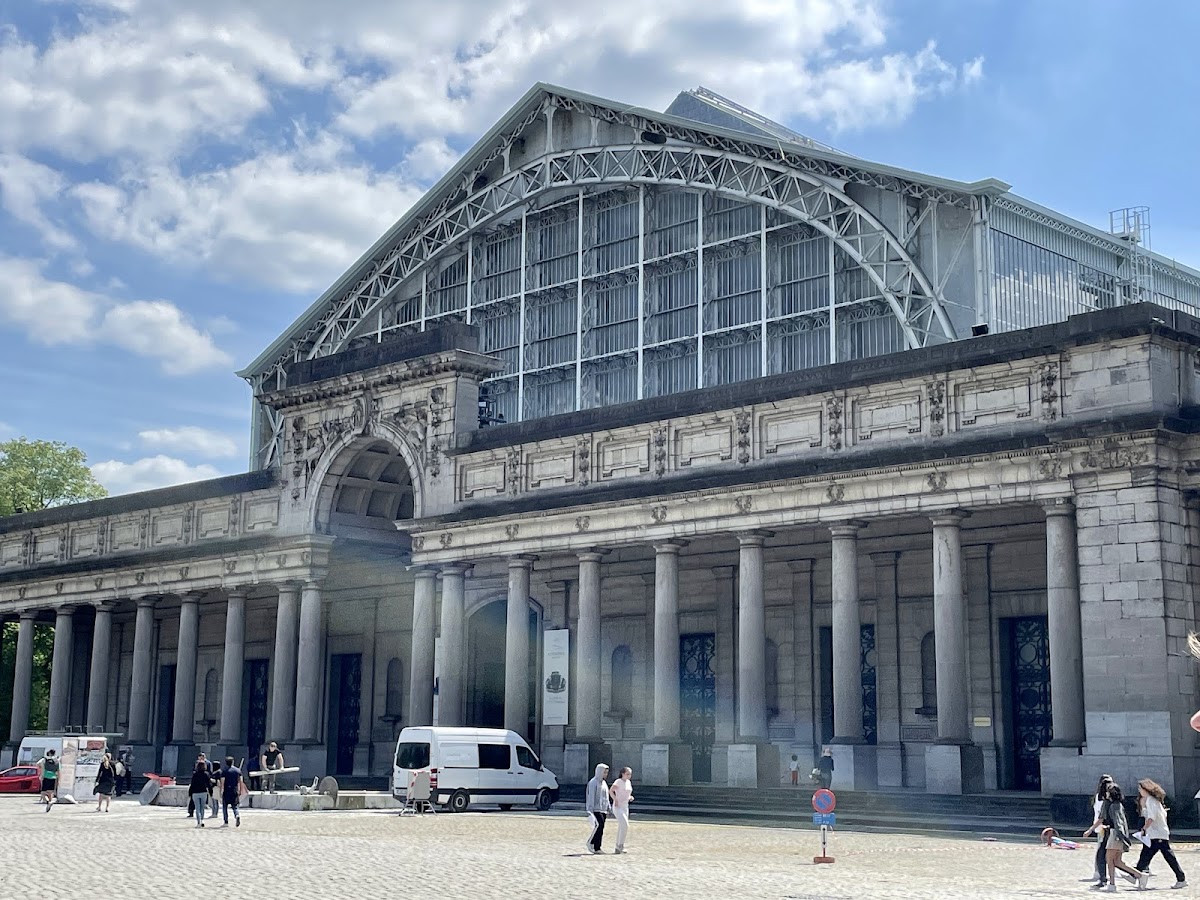
The Royal Museum of the Armed Forces is situated within the monumental Cinquantenaire Park in Brussels, Belgium. Located at Le Brabant Elevant le Drapeau national, 1000 Bruxelles, the museum occupies the wings of the grand Arch of Triumph, erected in 1880 to commemorate Belgium's 50th anniversary of independence. This unique setting places the museum at the heart of a significant national landmark, easily accessible via Metro Line 1 or 5, with Merode station just a 3-minute walk away.
Opened in 1910, the museum serves as a vital institution for preserving and showcasing Belgium's military heritage and the broader evolution of warfare across Europe. Its extensive collection spans from medieval times to contemporary conflicts, offering a comprehensive chronological overview. The museum functions as a key center for historical research and public education, contributing significantly to the understanding of military history.
Architectural Grandeur and Exhibition Flow
The museum's architecture is characterized by its immense scale and majestic interior spaces. Designed to evoke a sense of grandeur, the building features high arched ceilings, natural light streaming through large windows, and robust stone pillars. This architectural design enhances the immersive experience, making visitors feel as though they are stepping into a historical cathedral. The layout guides visitors through a chronological journey, efficiently connecting various exhibition halls that narrate the progression of military history.
Key Collections: From Medieval Armor to Aviation
Among the museum's most striking collections is the 'Hall of Arms,' which displays an impressive array of medieval and early modern armor. These meticulously crafted pieces, including a notable 16th-century full plate armor, illustrate the technological advancements and artistic skill of their respective eras, reflecting both defense strategies and social status.
The 'Aviation Hall' is another highlight, resembling a vast hangar filled with aircraft from different periods. From early World War I biplanes, which symbolize humanity's pioneering efforts in flight, to modern jets, this section chronicles the evolution of aviation and its profound impact on warfare. Each aircraft serves as a testament to human ingenuity, courage, and sometimes, sacrifice.
World Wars and Belgium's Role
The museum dedicates significant sections to the First and Second World Wars, detailing Belgium's experiences as a major battleground. The WWI exhibits vividly portray the grim realities of trench warfare and the resilience of Belgian soldiers. Recreated trenches and authentic artifacts like rusted firearms and uniforms convey the harsh conditions and human stories of the conflict.
The WWII section covers the Nazi invasion, occupation, and eventual liberation of Belgium by Allied forces. It includes propaganda posters, resistance movement documents, and harrowing accounts of civilian suffering, including the Holocaust. Tanks, military vehicles, and aircraft from this era demonstrate the scale and technological advancements of the war, while also serving as poignant reminders of its devastating consequences. These exhibits underscore the museum's commitment to remembering the past and promoting peace.
Waterloo and Comprehensive Military Heritage
The museum also houses artifacts related to the Battle of Waterloo, a pivotal event in European history that marked the end of the Napoleonic Wars in 1815. This collection includes uniforms, weapons, and maps, offering insights into the tactics and lives of soldiers during this crucial conflict. Overall, the museum's vast holdings, from medieval arms to Cold War vehicles, establish it as one of Europe's largest military history collections.
Visitor Information
The Royal Museum of the Armed Forces offers a compelling historical experience. Here is essential visitor information:
- Location: Le Brabant Elevant le Drapeau national, 1000 Bruxelles, Belgium. Located within the Cinquantenaire Park.
- Transportation: Approximately a 3-minute walk from Merode Metro Station (Lines 1 & 5), or a 10-minute walk from Schuman Metro Station.
- Opening Hours: Tuesday to Sunday, 09:00 to 17:00. Closed on Mondays. Visitors are advised to check the official website for the most current operating hours.
- Admission Fee: Visitors are recommended to check the official website for the latest admission fee information, as conflicting reports exist regarding free entry versus a 15 Euro adult fee.
- Official Website: https://www.klm-mra.be or https://legermuseum.be
Visitor Info
| Location | Translating |
| Opened | Translating |
| Admission | Free |
| Hours | Tue-Sun 9:00~17:00 (Mon closed) |
| Getting There | Translating |
| Highlights | Translating |
| Official Site | https://www.klm-mra.be |