로마, 의학과 예술이 만나는 독특한 공간
로마, 의학과 예술이 만나는 독특한 공간
The National Historical Museum of Healthcare Art — Rome's Unique Intersection of Medicine and Art
The National Historical Museum of Healthcare Art (Museo Storico Nazionale dell'Arte Sanitaria) is located at Borgo Santo Spirito, 2, 00193 Roma RM, Italy. Situated just a 10-minute walk east of Vatican City and 5 minutes from Castel Sant'Angelo, the museum is part of the historic Ospedale di Santo Spirito in Sassia complex. This hospital, founded in 781 AD by Pope Hadrian I, evolved into one of Europe's oldest and most significant medical institutions, making the museum a fitting repository for the history of healing.
This museum stands out as a unique institution in Europe, dedicated to exploring the intertwined histories of medicine, art, and human well-being. It goes beyond merely displaying medical artifacts, offering a profound narrative of humanity's ongoing struggle against disease and its quest for health, all while highlighting art's role in this journey. The collection spans five centuries of pharmaceutical and medical history, from ancient Egyptian practices to modern healthcare, showcasing the evolution of medical instruments and practices.
A Journey Through Medical History and Artistic Expression
The museum's exhibits guide visitors through a chronological exploration of medical advancements. Early sections feature ancient Egyptian medical tools, Greek and Roman surgical instruments, and records of their healthcare philosophies. These artifacts not only demonstrate early medical ingenuity but also reveal the artistic craftsmanship applied to functional objects, reflecting a deep respect for the human body and the art of healing.
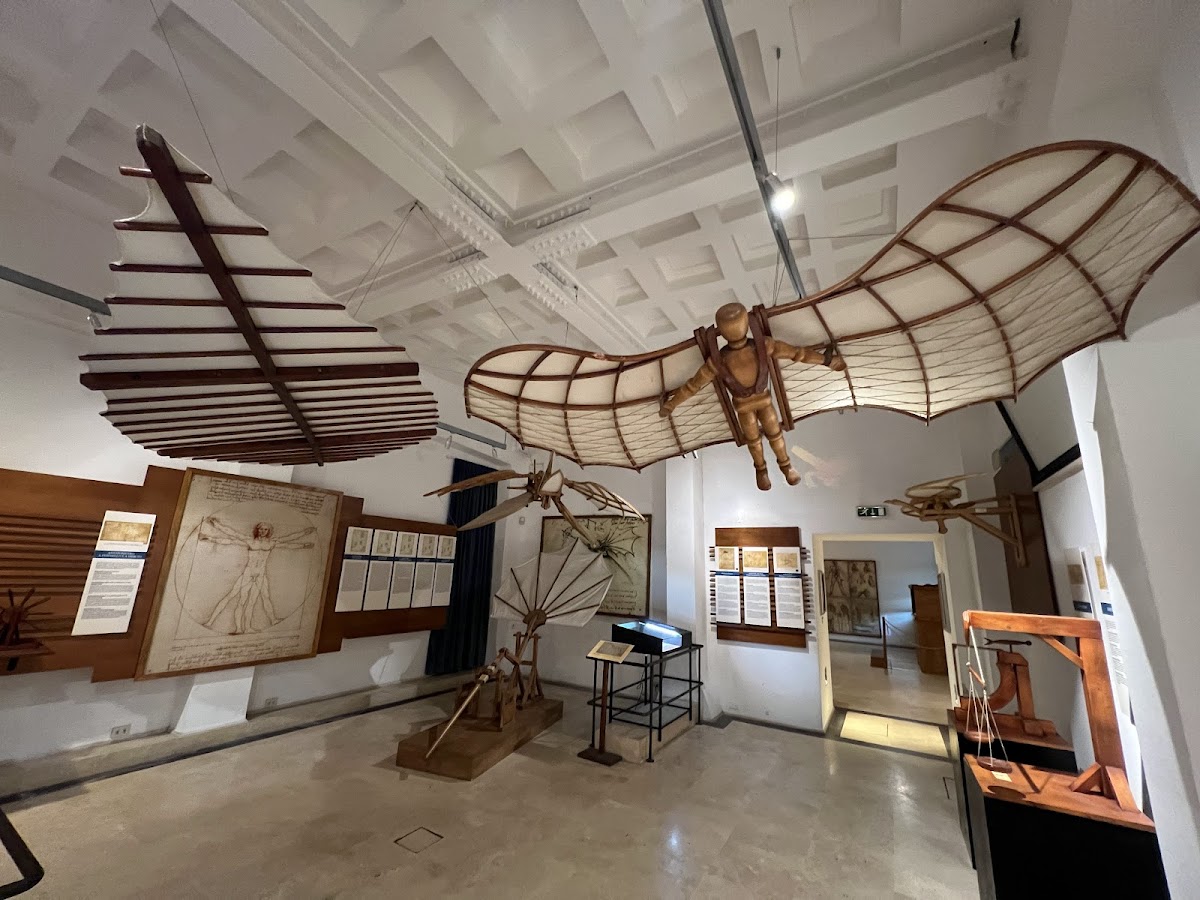
Moving into the medieval period, the museum showcases herbal medicine texts, alchemical instruments, and records of epidemics like the Black Death. These displays illustrate how early medical practices were often intertwined with religious beliefs and nascent scientific inquiry. The section dedicated to the Renaissance is particularly compelling, highlighting the critical role of anatomical studies. Exquisite anatomical drawings and wax models from figures like Leonardo da Vinci and Andreas Vesalius reveal how art and science converged to deepen understanding of the human form, transcending mere scientific documentation to become works of profound artistic and philosophical inquiry.
Public Health and Modern Medicine
The museum also delves into the history of public health, from ancient Roman sanitation systems to medieval responses to plagues and modern efforts in disease prevention. Exhibits detail the development of hygiene practices, the impact of major epidemics, and the dedicated work of doctors and scientists in combating illness. This section underscores that health is a collective societal endeavor, offering insights relevant to contemporary global health challenges.
The transition to modern medicine is explored through displays on microbiology, vaccine development, and the introduction of anesthesia. Scientific breakthroughs by figures such as Louis Pasteur and Robert Koch are highlighted, demonstrating how medicine evolved from empirical practices to a science-based discipline. The evolution of the pharmaceutical industry, with its diverse containers and manufacturing tools, further illustrates humanity's continuous effort to control disease and improve quality of life through scientific methodology.
Practical Information for Visitors
The museum operates on Mondays, Wednesdays, Fridays, and Saturdays from 9:30 AM to 12:30 PM, remaining closed on Tuesdays, Thursdays, and Sundays. Visitors are strongly advised to check the official website (http://www.museiscientificiroma.eu/artesanitaria/info.html) for the most current opening hours, as schedules can vary, especially on public holidays. Admission to the museum is free, making it an accessible cultural experience.
Transportation to the museum is convenient, with several bus lines (23, 40, 64) stopping at the Lungotevere Sassia station, a short walk away. Its proximity to the Vatican and Castel Sant'Angelo allows for easy integration into a broader Roman itinerary. A typical visit takes about 30 minutes, though more time can be spent appreciating the detailed exhibits. The museum offers a quiet, contemplative atmosphere, providing a unique perspective on human history through the lens of health and art.
Visitor Info
| Location | Translating |
| Admission | €5 |
| Hours | Translating |
| Getting There | Translating |
| Notice | Translating |
| Translating | Translating |
| Official Site | https://www.museisanitari.it |