홋카이도, 숲 속에서 만나는 자연과 목공예
홋카이도, 숲 속에서 만나는 자연과 목공예
Nibetsu Forest Museum — A Sanctuary in Hokkaido's Ozora Forest
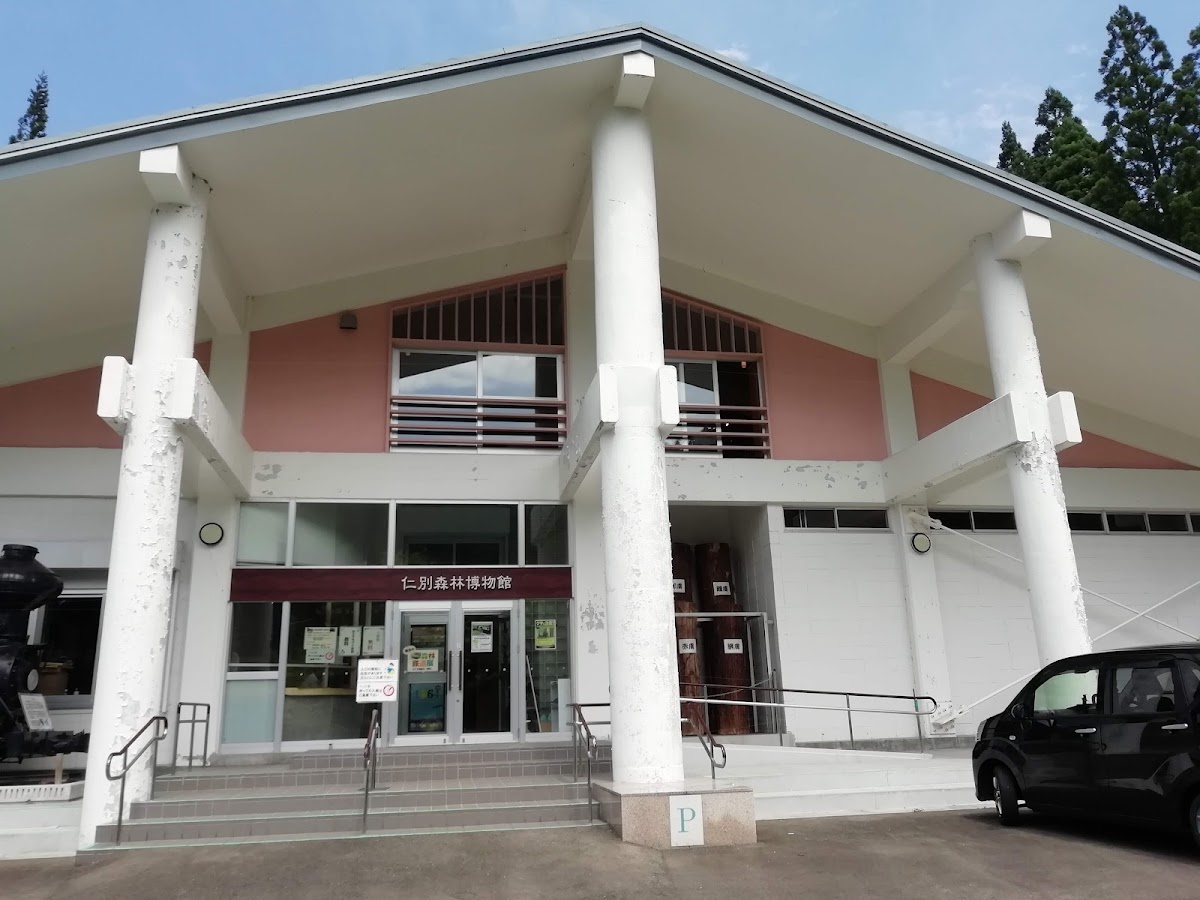
The Nibetsu Forest Museum is situated in the Nibetsu district of Higashimokoto, Ozora Town, Abashiri-gun, Hokkaido, Japan. This unique museum is nestled deep within a vast, pristine forest near the Sea of Okhotsk, offering a tranquil escape from urban life. Access is primarily by car, approximately 30 minutes from JR Abashiri Station, as public transport options are limited. The museum's location allows visitors to fully immerse themselves in Hokkaido's rich natural environment, with wildflowers in summer (June-August) and vibrant autumn leaves (September-October) enhancing the experience.
Mission and Architecture — Blending with Nature
Dedicated to preserving and exhibiting the natural heritage of Hokkaido's forests, the museum focuses on diverse flora and fauna, geological formations, and the historical interaction between humans and the forest. It serves as a vital educational resource, highlighting the ecological significance of Japanese forests and promoting sustainable forest management. The architecture itself is a testament to this mission, utilizing local wood and stone to seamlessly blend with its surroundings. Large windows frame the ever-changing forest, bringing the outside in and creating a continuous dialogue between the exhibition spaces and nature.
The interior design evokes the warmth of a forest cabin, with natural light and the subtle scent of wood permeating the space. The layout ensures that visitors can enjoy panoramic views of the forest from various points, making the natural landscape an integral part of the exhibition. This thoughtful design emphasizes the museum's role as a place where human ingenuity and natural beauty coexist harmoniously.
Collections and Cultural Insights — Woodcraft and Ainu Heritage
The museum's collections showcase Hokkaido's abundant timber resources and the exquisite woodcraft that has emerged from them. Displays feature various local tree species, detailing their unique characteristics, and how they have been integrated into the lives and culture of the region's inhabitants. From robust farming tools to delicate carvings and charming wooden figures representing forest spirits, the exhibits highlight both the practicality and artistry of woodcraft.
A significant portion of the museum is dedicated to the Ainu people, the indigenous inhabitants of Hokkaido. Their deep spiritual connection to the forest, viewed as a sacred space inhabited by spirits, is explored through models of traditional Ainu homes and everyday tools. Ainu woodcraft, characterized by its reverence for nature and intricate designs, offers profound insights into their wisdom and harmonious way of life. The museum also traces the history of Hokkaido's forestry, from early development to modern sustainable practices, reflecting on the evolving relationship between humans and the forest.
Sensory Experience and Visitor Information
A visit to the Nibetsu Forest Museum is a multi-sensory experience. The pervasive scent of wood, the visual spectacle of the forest through expansive windows, the tactile experience of touching different timber samples, and the calming sounds of wind and birdsong all contribute to a deep immersion in nature. This holistic approach ensures that visitors not only see but also feel and absorb the wisdom of the forest.
For visitors, the admission fee is 300 JPY for adults and 100 JPY for children. The museum operates from Tuesday to Sunday, 9:30 AM to 5:00 PM, and is closed on Mondays. Operating hours may be shortened or closed during winter; checking the official website(https://www.town.ozora.hokkaido.jp) before visiting is recommended. Nearby attractions include the Abashiri Prison Museum, Lake Tofutsu, and the Okhotsk Ryuhyo Museum, offering a comprehensive exploration of Hokkaido's eastern region.
Visitor Info
| Location | Translating |
| Admission | Translating |
| Hours | Translating |
| Getting There | Translating |
| Translating | Translating |
| Translating | Translating |
| Official Site | https://www.town.ozora.hokkaido.jp |