덴마크, 5,000만 년 전 바다 생물의 화석 천국
덴마크, 5,000만 년 전 바다 생물의 화석 천국
Geomuseum Faxe: A Journey into Denmark's Ancient Tropical Sea
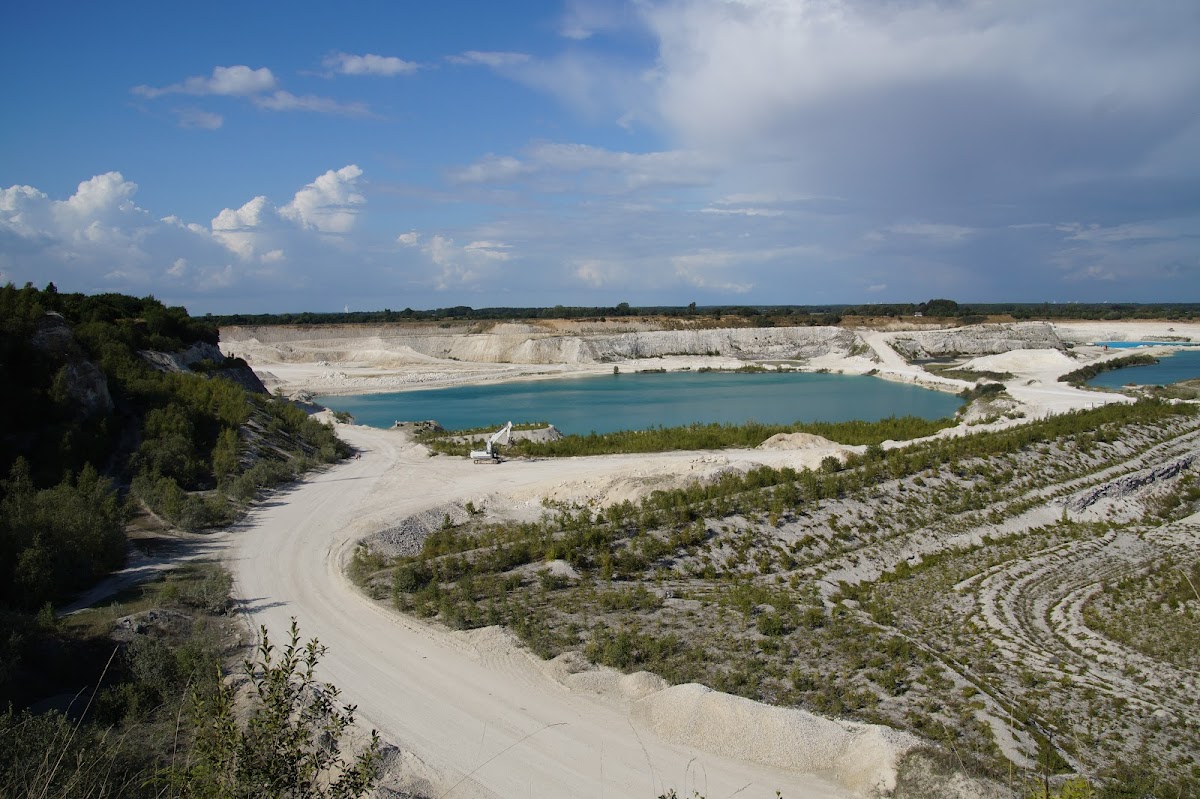
Located in Faxe, southeastern Zealand, Denmark, Geomuseum Faxe offers a unique glimpse into the region's rich geological past. Situated adjacent to a vast limestone quarry, the museum showcases a period when Denmark was a tropical sea, teeming with life some 50 million years ago. The quarry itself remains an active industrial site, yet it is also open to the public for fossil hunting, creating a dynamic intersection of industry and paleontology.
The museum's collections primarily focus on fossils and minerals unearthed from the local Faxe Limestone Quarry. These discoveries provide invaluable insights into ancient marine life and geological formations, particularly those from the Paleocene epoch, following the Cretaceous-Paleogene extinction event. The museum plays a vital role in preserving and interpreting Denmark's paleontological heritage through scientific study and public education.
The Faxe Limestone Quarry: An Open-Air Geological Classroom
The monumental Faxe Limestone Quarry is a key highlight of any visit. Its sheer scale, with towering white limestone cliffs, presents a dramatic landscape that feels like a living geological textbook. Visitors can don safety helmets and venture into the quarry to search for fossils, a hands-on experience that allows them to connect directly with Earth's ancient history.
The limestone layers within the quarry were formed approximately 63 to 58 million years ago. These strata contain fossilized remains of a diverse marine ecosystem, including shark teeth, crabs, corals, starfish, sea urchins, ammonites, and belemnites. The opportunity to discover and keep these ancient treasures makes the fossil hunting experience particularly engaging for all ages.
Museum Exhibits: Unveiling Ancient Marine Biodiversity
Inside Geomuseum Faxe, the extensive collection of fossils found in the quarry is systematically displayed. Exhibits detail the geological formation processes of the Faxe region and explain how fossils are discovered and preserved. Interactive displays, including microscopes for examining microfossils and videos on fossil preparation, enhance the learning experience.
Notable exhibits include numerous shark teeth, indicating a once-thriving predatory marine environment, and remarkably preserved crab fossils. These collections vividly reconstruct the subtropical sea that once covered Faxe, highlighting the incredible biodiversity that flourished after the age of dinosaurs. The museum effectively translates complex geological timelines into an accessible and engaging narrative.
Visitor Information
Admission: Adults 100 DKK, Children (3-17 years) 50 DKK. Quarry access is free, but fossil hunting tools can be rented or purchased at the museum shop.
Opening Hours: Open daily from 10:00 AM to 3:00 PM. Visitors are advised to check the official website for any seasonal variations.
Transportation: Faxe is approximately 70 km south of Copenhagen. It can be reached by train from Copenhagen Central Station (approx. 1 hour) followed by a local bus connection, or by car (approx. 1 hour). Free parking is available near the museum and quarry.
Official Website: https://www.faxegeocenter.dk
Visitor Info
| Location | Translating |
| Admission | Translating |
| Hours | Tue-Sun 10:00~16:00 (Mon closed) |
| Getting There | Translating |
| Translating | Translating |
| Official Site | https://www.faxegeocenter.dk |