도쿄 아오야마, 자유와 반항의 현대미술 독립기지
도쿄 아오야마, 자유와 반항의 현대미술 독립기지
The Watari Museum of Contemporary Art — A Hub of Modern Art in Tokyo's Aoyama
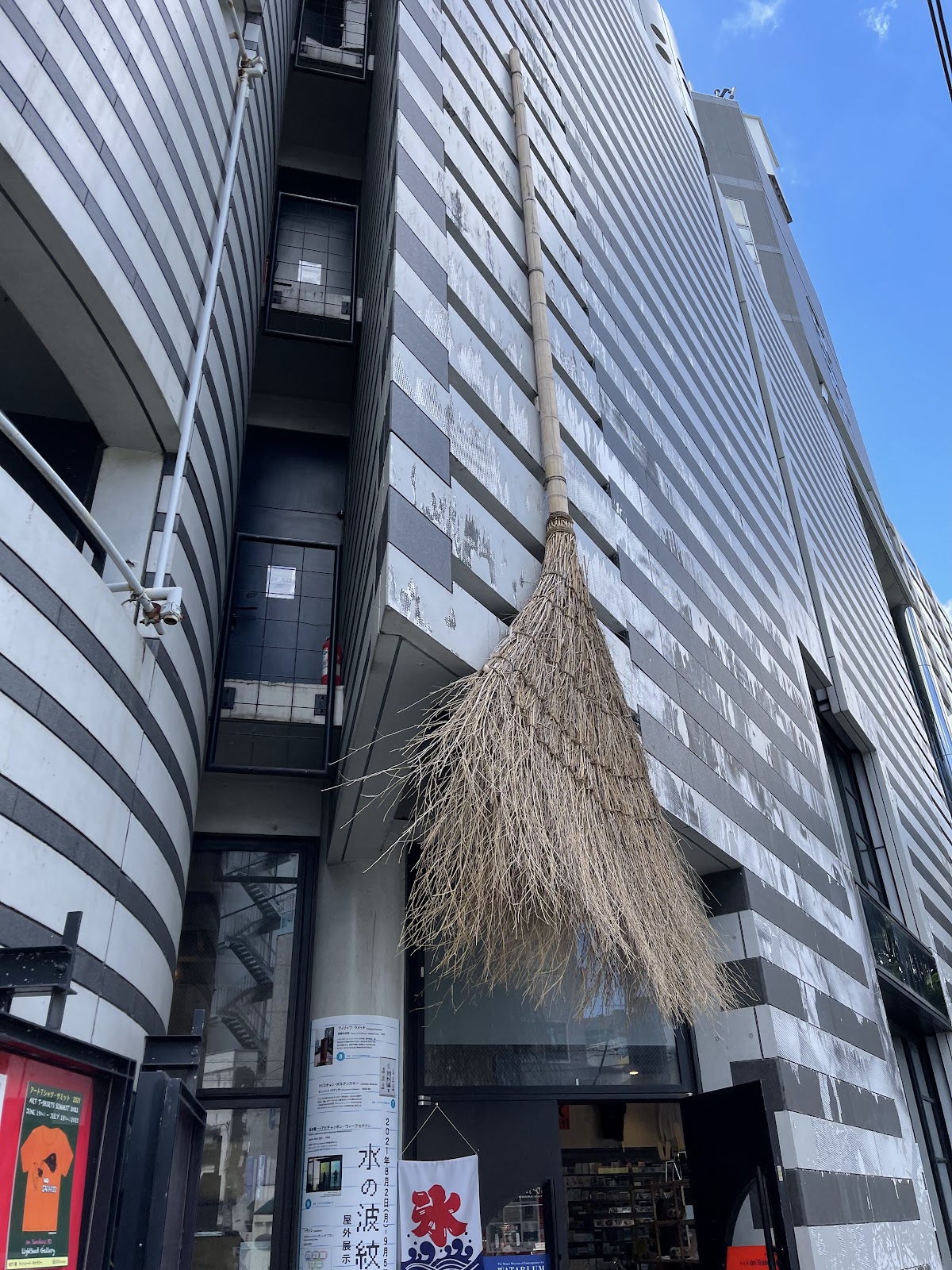
The Watari Museum of Contemporary Art is located at 3-7-6 Jingūmae, Shibuya-ku, Tokyo, Japan. It stands as a distinct architectural presence amidst the sophisticated boutiques and modern buildings of Aoyama, a fashionable district known for its vibrant urban energy. Designed by Swiss architect Mario Botta, the museum's exterior is a striking geometric composition of grey tiles, resembling a monumental sculpture or even a spacecraft that has landed in the heart of the city.
The building's unique facade features triangular windows and glass blocks that blur the boundaries between inside and out, hinting at the artistic narratives within. Botta's design masterfully plays with light and shadow, transforming the building's surface into a dynamic canvas that shifts with the changing angles of the sun. Inside, a narrow, winding passage leads to a central spiral staircase, guiding visitors through a multi-layered journey across diverse exhibition spaces. Each floor offers a new perspective, with varying ceiling heights and distinct lighting conditions—some bathed in soft natural light, others sealed off for intense focus—all designed to enhance the immersive experience of the art.
A Vision of Independence: Founding and Early Exhibitions
Established in 1990, the Watari Museum was founded under the vision of Shizuko Watari, building upon the personal collection of her husband, Sumio Watari, a renowned architect and art collector. Shizuko Watari's passion extended beyond mere collection; she actively engaged with artists, aiming to deeply understand and share their philosophies. The museum's mission was to introduce groundbreaking contemporary artists to Japan, many of whom were overlooked by mainstream institutions at the time.
From its inception, the Watari Museum became a pivotal independent hub for contemporary art in Japan. It hosted the first Japanese exhibitions of international masters such as Joseph Beuys, Keith Haring, Nam June Paik, Andy Warhol, and Jean-Michel Basquiat. These pioneering exhibitions not only challenged the prevailing art scene but also provided young Japanese artists and the public with invaluable exposure to global contemporary art trends. The museum's commitment to experimental and challenging art, free from commercial or institutional constraints, solidified its unique identity and influence.
The Museum's Identity: A Space for Experimentation and Dialogue
Despite its modest size compared to Tokyo's larger museums, the Watari Museum offers an profound artistic experience. It operates as a 'living' museum, constantly posing questions and presenting new perspectives, prioritizing artistic value and experimental spirit over commercial success or popular appeal. This commitment allows it to showcase radical contemporary art, encouraging visitors to transcend conventional artistic boundaries and explore new aesthetics. The museum's intimate scale fosters a close engagement with each artwork, creating a contemplative atmosphere where visitors can fully immerse themselves in the art.
The museum's philosophy is rooted in the belief that art serves not only to create beauty but also to critique society, provoke thought, and ultimately deepen our understanding of life and the world. This enduring spirit, championed by Shizuko Watari and continued by subsequent curators, ensures the Watari Museum remains a crucial independent base in Tokyo's contemporary art landscape. The museum's ground-floor shop, 'On Sundays,' extends this artistic journey, offering a curated selection of art books, design goods, and artist merchandise that reflects the museum's independent and experimental ethos.
Exploring Aoyama: A Cultural Journey Beyond the Museum
The Watari Museum's location in Aoyama provides an excellent opportunity for a broader cultural exploration of Tokyo. This fashionable district is replete with luxury brand flagship stores, trendy cafes, and design shops, offering a vibrant urban experience. A stroll through Aoyama reveals architectural marvels, including the Comme des Garçons store, each building a design statement in itself, transforming the streets into an open-air architecture museum.
Towards Omotesando, visitors can wander down the grand Keyaki tree-lined avenue, discovering unique concept stores and charming alleyway cafes. Aoyama is also a culinary haven, with numerous restaurants offering everything from casual brunch to authentic Japanese, Italian, and French cuisine. Combining a visit to the Watari Museum with an exploration of Aoyama's architecture, fashion, and gastronomy creates a rich cultural experience, seamlessly blending art with daily life in Tokyo.
Visitor Information
Location: 3-7-6 Jingūmae, Shibuya-ku, Tokyo, Japan.
Operating Hours: Typically 11:00 to 19:00, with extended hours until 21:00 on Wednesdays. Closed on Tuesdays. It is recommended to check the official website for the most current operating information.
Admission Fee: Varies by exhibition, generally 1,000 to 1,200 JPY for adults, with student discounts available. Please confirm current exhibition fees on the official website before your visit.
Transportation:
- Approximately a 7-minute walk from Exit 3 of Gaienmae Station (Tokyo Metro Ginza Line).
- Approximately an 8-minute walk from Exit A1 of Omotesando Station (Tokyo Metro Ginza, Hanzomon, and Chiyoda Lines). Using Exit A4 takes approximately 10-12 minutes.
Reservations: Most exhibitions do not require advance reservations. However, for special events or popular exhibitions, time-slot reservations may be implemented to manage crowd flow. It is advisable to check the museum's official website prior to your visit.
Visitor Info
| Location | Translating |
| Opened | Translating |
| Architect | Translating |
| Admission | Translating |
| Hours | Translating |
| Getting There | Translating |
| Official Site | https://www.watarium.co.jp |