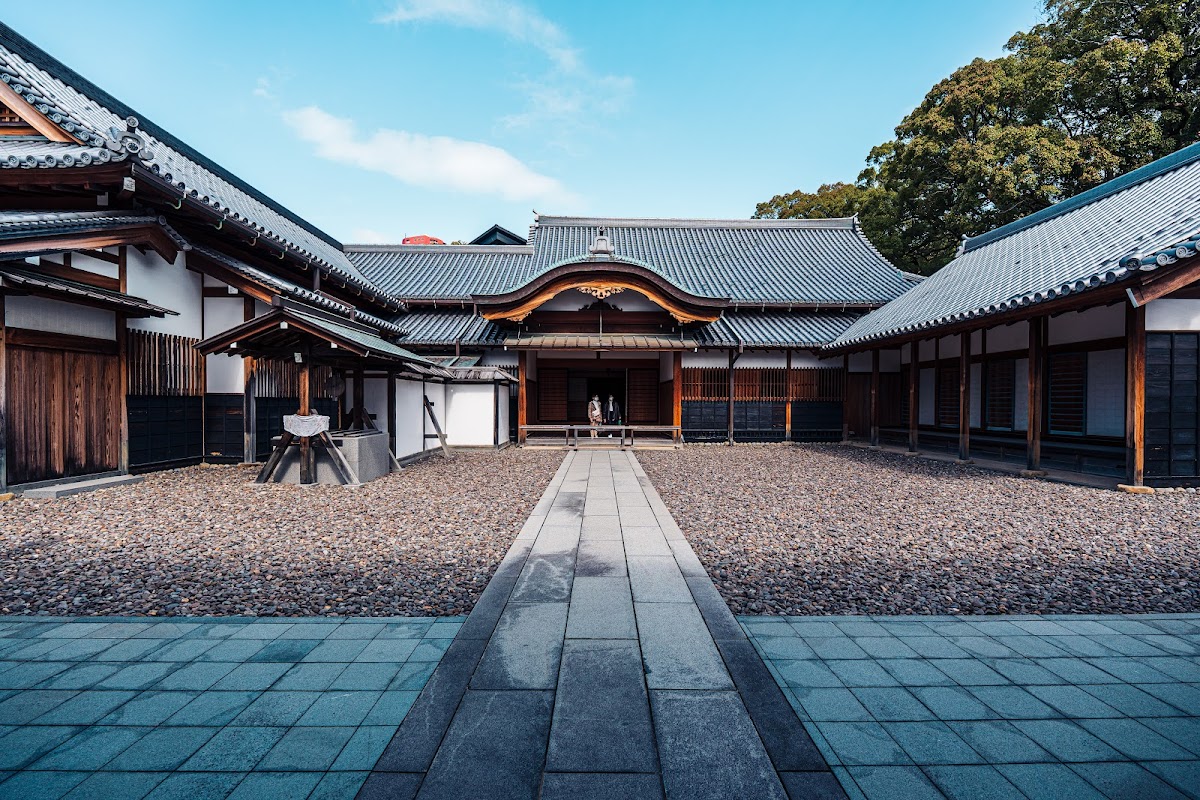
나가사키 역사문화박물관 — 에도시대 대외 교류의 창구, 나가사키의 300년
Nagasaki, The Open Window in an Age of Isolation
A city where exotic aromas carried on the wind, fragments of unfamiliar languages from afar, and the wonders of the world beyond the sea coexisted. For a long period of 215 years, from the mid-17th century to the mid-19th century, during a time when Japan firmly closed its doors and adhered to a policy of national isolation, there was one window that remained wide open to the West. That window was the artificial island of Dejima (出島). This small, fan-shaped artificial island, nestled in a corner of Nagasaki Harbor, was more than just a trading post; it was the sole conduit through which Edo period Japan communicated with the outside world, a living heart of cultural exchange. And the place that most vividly echoes the pulse of this heart is none other than the Nagasaki Museum of History and Culture (長崎歴史文化博物館).
This museum is not merely a space where ancient artifacts are displayed. It is a place where the wisdom and struggles of Japan, as it sought to preserve its identity while embracing new cultures in a rapidly changing world, and the drama of dynamic international exchange, breathe. Visitors can encounter here the traces of life of the people of Nagasaki, who, despite the paradoxical situation of national isolation, constantly strove to connect with the outside world. It offers an experience akin to time travel, allowing one to directly feel the vibrant breath of a bustling port city of the past.
Nagasaki Museum of History and Culture: A Space Where the Past Breathes
The Nagasaki Museum of History and Culture building itself is a grand artifact. This is because it was built as a partial reconstruction of the Nagasaki Bugyosho (奉行所), the highest administrative body that controlled Nagasaki and managed foreign trade during the Edo period. Upon entering the museum, the majestic presence of its wooden architecture and the antique charm of its tiled roofs immediately capture the eye. The harmonious blend of modern museum functionality and traditional Edo-period architectural style serves as an excellent bridge between the past and present for visitors. The interior of the Bugyosho meticulously recreates the scene of officials at work, offering an immersive experience as if stepping into a living historical site. One can imagine the faint sounds of brushstrokes and rustling paper in the quiet office, and even the subtle foreign aromas that might have diffused amidst the strictness of the isolation period.
The core of the exhibition lies in the vast array of documents left by the Bugyosho. Diplomatic papers, trade ledgers accumulated through direct management of trade with the Netherlands and China, records of interpreters who conveyed Western technology and information to Japan, and elaborate maps depicting how Japanese people perceived the world at the time are all on display. Each faded diplomatic document vividly records the decisions Japan made amidst the turbulent international situation and how it maintained delicate diplomatic tugs-of-war. The maps of that era, beyond mere geographical information, possess a unique pictorial beauty where European and Asian cultures merged, giving them significant art historical value. All these artifacts are crucial puzzle pieces in reconstructing the history of foreign exchange, which was rigorously controlled under the name of national isolation. Through them, we can glimpse how the Bugyosho officials viewed the world, and how they managed and utilized such extensive information.
Dejima: A Vast World within a Small Island
The story of the Nagasaki Museum of History and Culture naturally leads to Dejima. Dejima was not just a trading port; it was the sole conduit through which the most advanced science, medicine, and culture of 17th-century Europe flowed into Japan. This small island, where Dutch merchants resided and interacted with Japanese officials, was like an exhibition hall of Western civilization. Here, cutting-edge fields such as Western medicine, astronomy, and geography were transmitted to Japanese intellectuals under the name of 'Rangaku' (蘭學), and numerous interpreters played a crucial role in this process.
Through the museum's exhibitions, we can imagine the daily life on Dejima. A scene where the aroma of coffee carried with the sea breeze, the exotic scent of spices, and the bustling sounds of Dutch merchants and Japanese officials intermingled. Precious items such as clocks, spectacles, and cannons from Europe were introduced to the Japanese market, while Japanese ceramics, silk, and tea went to Europe, gaining immense popularity. Dejima was at the forefront of cultural exchange, and the culture that blossomed there made Nagasaki an even more special city. The museum diversely showcases artifacts found in Dejima, trade goods, and the influence of Western painting techniques that sprouted there, offering a glimpse into the vast world contained within a small island.
Nagasaki: A City of Cultural Fusion, Its Cuisine and Art
Thanks to its long history of international exchange, Nagasaki boasts a unique cultural identity even within Japan. Food culture, in particular, best illustrates this history of fusion. The museum intriguingly highlights how 'Nagasaki Champon' and 'Nagasaki Castella' are not just simple foods but encapsulate complex historical backgrounds and cultural exchanges.
Nagasaki Champon is a dish born in the late 19th century when Chinese immigrants from Fujian Province settled in Nagasaki, reinterpreting their hometown cuisine with local Japanese ingredients and cooking methods. This hot and hearty bowl of champon, made with a rich broth of pork and chicken bones, generously filled with seafood, vegetables, and pork, contains the joys and sorrows and hopes of countless people who built their livelihoods in a foreign land. It has become an icon symbolizing the identity of Nagasaki as a port city, far beyond being just a Chinese dish introduced to Japan.
Furthermore, Nagasaki Castella is a masterpiece reborn from Western confectionery techniques introduced by Portuguese merchants in the mid-16th century, fused with meticulous Japanese craftsmanship. The museum explains the origin and production process of Castella, and how it gradually adapted to Japanese tastes, detailing how Western sweetness permeated Japanese culinary culture. A soft, moist piece of Castella, characterized by its subtle honey sweetness, embodies Japan's curiosity about Western culture and its ability to perfectly assimilate it into its own.
In addition, Nagasaki showcases traces of cultural fusion through diverse arts and crafts, such as its unique urban landscape where Chinese-style temples and Western-style buildings stand side by side, and the blend of Eastern and Western cultures seen in festivals like 'Nagasaki Kunchi (くんち)'. The museum's exhibitions provide an opportunity to deeply explore Nagasaki's unique charm.
Nagasaki Historical Journey: Practical Guide
The Nagasaki Museum of History and Culture is the perfect starting point for a journey to explore Nagasaki's history of international exchange. After visiting the museum, you can see with your own eyes the knowledge gained at the museum by visiting several historical sites within walking distance.
- Dejima Restored Area:
Visiting Tips:
- Best Time to Visit: Nagasaki is great to visit year-round, but spring (March-May) and autumn (September-November) are best for comfortable weather and enjoying walking tours. Especially early April for cherry blossom season or mid-October for the Nagasaki Kunchi Festival, the city is lively, but it can be crowded.
- Transportation: Nagasaki has a well-developed tram system, allowing convenient travel to major tourist attractions. Purchasing a one-day pass is economical.
- Local Cuisine: Around the museum, as well as near Dejima and Chinatown, there are many famous restaurants where you can taste Nagasaki's representative dishes such as Champon, Castella, and Sara Udon. It is recommended to research and plan your visit in advance.
The Message Nagasaki Conveys
The Nagasaki Museum of History and Culture goes beyond mere artifact display; it tells the dramatic story of a city that constantly pondered its place in a changing world, accepted external cultures, and created new ones. It provides insight to understand the present and look into the future through traces of the past. The time spent here will offer a profound resonance, as if invited to a timeless conversation, and will once again awaken the infinite possibilities and open-minded spirit that the city of Nagasaki embraces. Please listen to the message of past and present that Nagasaki, the open window of the isolation era, conveys.
Visitor Info
| Location | Sun본 나가사키현 나가사키시 (立山1-1-1) |
| Opened | 2005년 |
| Admission | permanent전 Adult 630엔 / 고교생 420엔 / 중Student 이하 Free |
| Hours | 8:30~19:00 (Tue요Closed Sun) |
| Getting There | 나가사키 전차 1·3 Line 구라하시초(桜町)Stn walk 8min |
| 추천 코스 | 나가사키 Stn사문Tue박물관 → 데지마 복원 지구 → 네덜란드 언덕 → 구라바엔 |
| 공식 사이트 | https://www.nmhc.jp |
