사쿠라지마 화산 아래 피어난 인상파와 향토 미술
사쿠라지마 화산 아래 피어난 인상파와 향토 미술
Kagoshima City Museum of Art: Art Beneath Sakurajima
The Kagoshima City Museum of Art is located at 4-36 Shiroyamachō, Kagoshima City, Kagoshima Prefecture, Japan. Situated in the heart of Kagoshima, approximately a 5-minute walk east from Kagoshima City Tram Asahidori Station, the museum offers views of the active Sakurajima volcano. This location provides a unique backdrop where the city's vibrancy contrasts with the volcano's majestic presence.
Established in 1954: A Hub for Local and International Art
Opened in 1954, the museum aims to preserve and exhibit Kagoshima Prefecture's rich artistic heritage and contribute to local cultural development. Since its establishment, it has consistently expanded its collection and hosted diverse special exhibitions, broadening cultural opportunities for citizens. The museum plays a crucial role in showcasing the unique aesthetic sensibilities of the Satsuma region, including Satsuma pottery, paintings, and crafts.
Architecture and Space: Serenity and Natural Light
The museum's architecture emphasizes understated elegance rather than grandeur, harmonizing with its surroundings. Upon entering, visitors are greeted by a calm atmosphere, a stark contrast to the bustling city outside. This tranquility invites contemplation, akin to a serene moment when Sakurajima's eruptions pause. The exhibition rooms are designed to utilize Kagoshima's natural light, with warm, bright sunlight enhancing the viewing experience and enriching the colors and textures of the artworks.
Dual Collections: Western Impressionism and Local Art
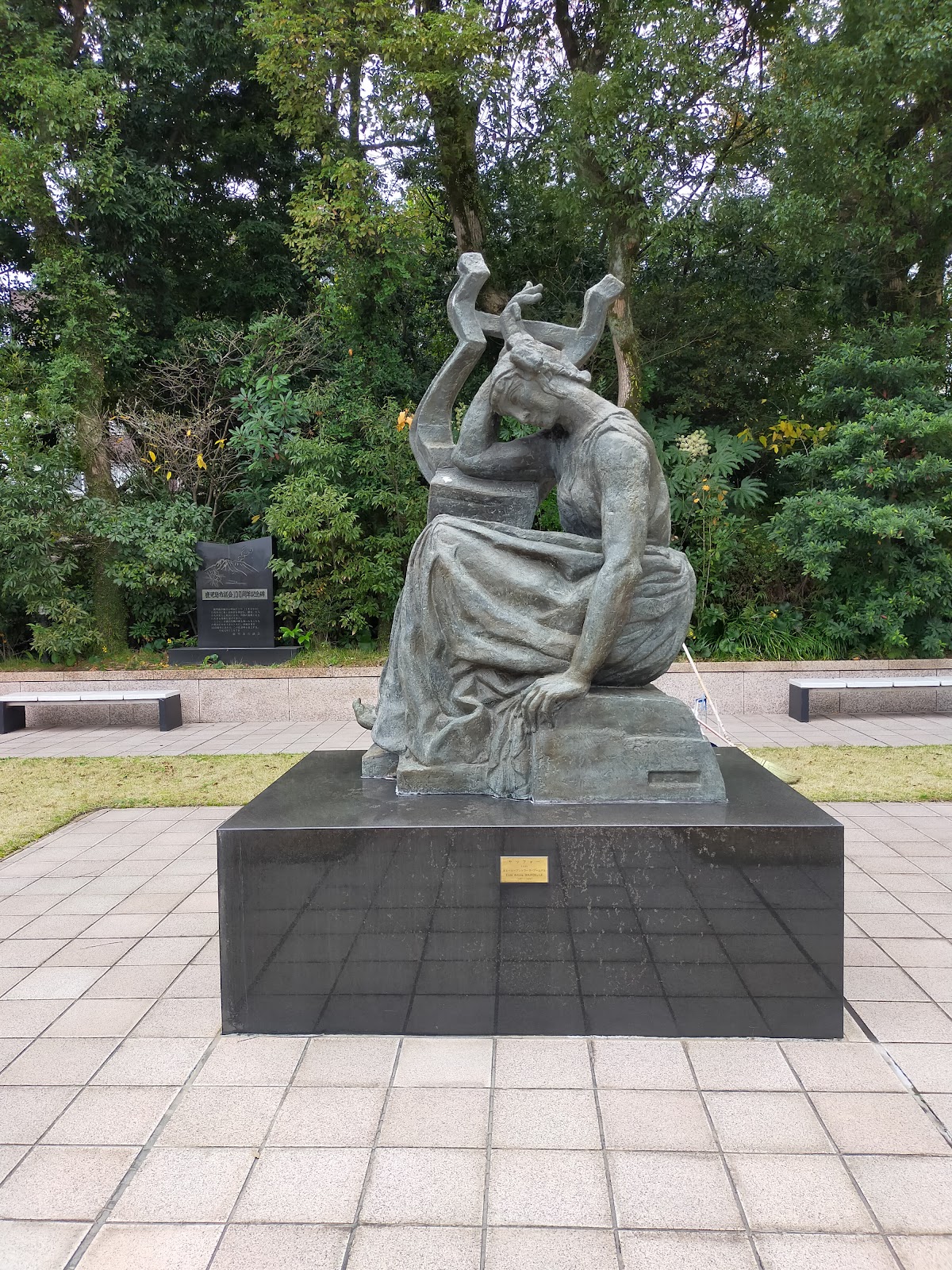
The museum's collection is built upon two main pillars: Western Impressionist and modern art, featuring artists such as Cézanne, Rodin, and Renoir, and local art by artists from Kagoshima Prefecture. The Western collection introduces international art trends, while the local collection preserves and promotes the region's unique artistic heritage. This dual focus provides visitors with a broad artistic experience, showcasing Kagoshima's cultural depth.
Western Impressionist Collection: Masterpieces Under Kagoshima's Sun
The Western Impressionist collection explores light and color through delicate brushstrokes and captures everyday joyful moments. Kagoshima's warm sunlight imbues these European landscapes and figures with new vitality, creating a distinctive yet natural encounter. The colors in the Impressionist palette resonate with Kagoshima's blue seas, green lands, and intense sun, drawing parallels between the artists' exploration of light and the dynamic natural phenomena of Sakurajima's smoke and sunset.
Local Artists' Collection: Sakurajima and Regional Life
The local artists' collection profoundly expresses Kagoshima's spirit and beauty. Paintings depicting Sakurajima from various angles and emotions serve as a living history and sentiment of Kagoshima, reflecting the volcano's grandeur, its formidable beauty, and the resilience of the people living beneath it. These artists also meticulously portray daily life and culture, including local specialties like Kurobuta pork, sweet potatoes, and abundant seafood. Their works offer insights into the lifestyle and aesthetic values of Kagoshima's people.
Harmonious Dialogue: East Meets West
A unique aspect of the Kagoshima City Museum of Art is the interplay between Western Impressionist works and local art. The Western exploration of light and color appears to influence local artists, fostering new expressive styles. Conversely, the distinctive energy and thematic focus of regional art offer fresh perspectives on appreciating Western art. This dialogue between different cultural backgrounds creates a unique charm, allowing visitors to experience both the universality and specificity of art.
Visitor Information: Hours, Admission, and Access
The Kagoshima City Museum of Art operates from Tuesday to Sunday, 9:30 AM to 6:00 PM, closing on Mondays and during the New Year holidays. Admission for permanent exhibitions is 200 yen for adults, 150 yen for high school/university students, and free for junior high students and younger; special exhibitions may have separate fees. The museum is a 5-minute walk from Kagoshima City Tram Asahidori Station. From Kagoshima-Chuo Station, it's about a 10-minute tram ride to 'City Hall Front' (市役所前) stop, followed by a short walk. Nearby, visitors can find local delicacies like Kurobuta pork dishes and Shirokuma shaved ice, complementing their museum visit with a culinary experience.
Visitor Info
| Location | Translating |
| Opened | Translating |
| Admission | Translating |
| Hours | 9:30~18:00 (Mon closed) |
| Getting There | Translating |
| Translating | Translating |
| Official Site | https://www.city.kagoshima.lg.jp/art-museum |