정조의 도시 수원, 현대미술로 다시 태어나다
정조의 도시 수원, 현대미술로 다시 태어나다
Suwon Museum of Art: Modernity in a Historic City
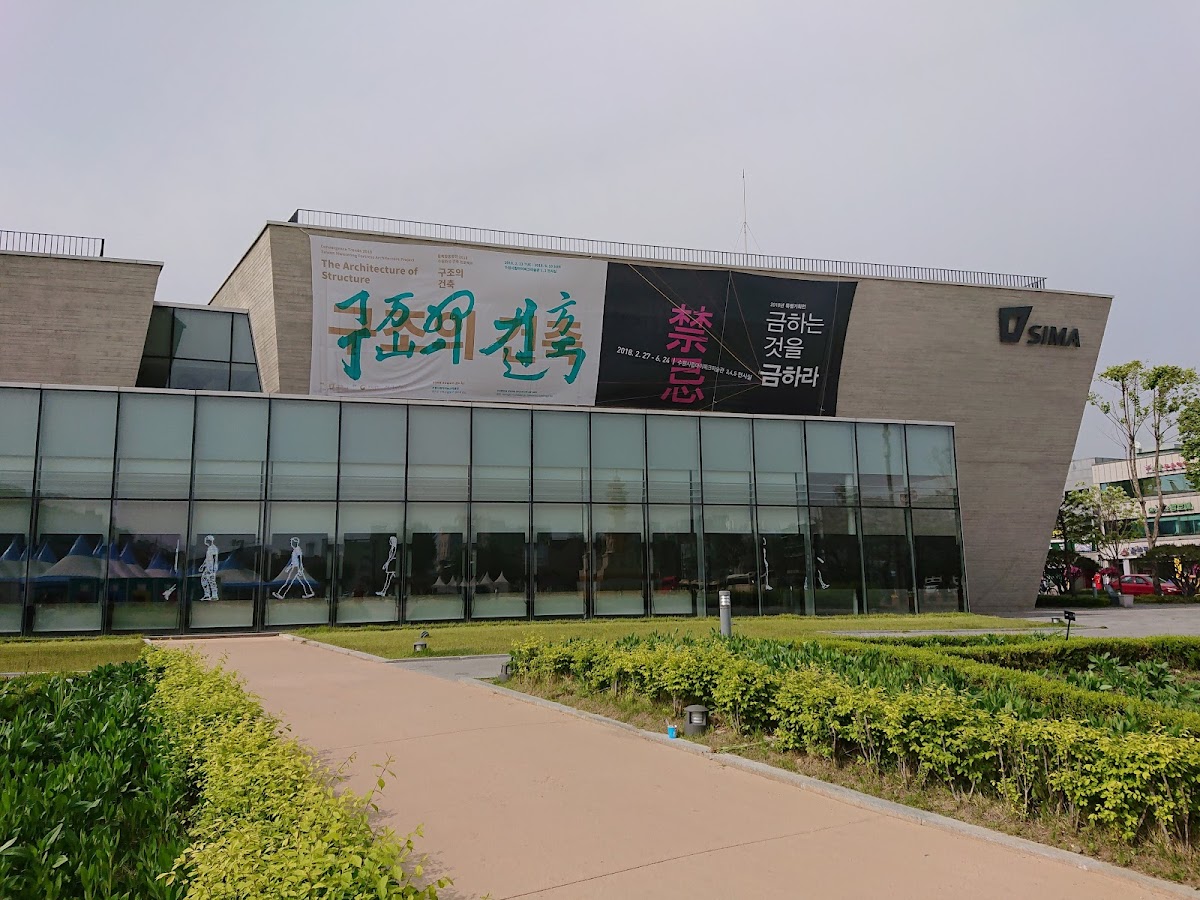
The Suwon Museum of Art (SUMA) is located at 833 Jeongjo-ro, Paldal-gu, Suwon, adjacent to Hwaseong Haenggung Palace, a key component of the UNESCO World Heritage Hwaseong Fortress. Opened on October 8, 2015, SUMA serves as a contemporary art hub within Suwon's historic urban landscape, a city shaped by King Jeongjo's reformist vision.
The museum occupies the former site of the Suwon City Hall, symbolizing a blend of historical context and modern architectural design. Its collection, comprising approximately 1,000 pieces, focuses on modern and contemporary Korean art, with a particular emphasis on artists from the Gyeonggi Province. SUMA actively curates exhibitions that explore the city's history and identity through a contemporary lens, fostering cultural engagement for its citizens.
Mr. Toilet House: A Unique Cultural Experience
Mr. Toilet House, situated at 9 Jangan-ro 458beon-gil, Jangan-gu, Suwon, stands as a truly distinctive museum. Conceived by Shim Jae-duck, a former mayor of Suwon and a global sanitation advocate, the building itself is shaped like a giant toilet, a playful yet profound architectural statement. The name 'Hae-woo Jae' translates to 'a house to relieve worries,' reflecting its mission to transform perceptions of toilets and sanitation.
The museum houses over 1,500 artifacts related to toilet history and culture, from ancient latrines to modern designs. Its unique circular atrium allows natural light to flood the interior, creating an engaging space where visitors can explore the evolution and importance of sanitation. The outdoor area features whimsical toilet-themed sculptures, making it an educational and entertaining destination for all ages.
Suwon Hwaseong Museum: Preserving a Grand Legacy
The Suwon Hwaseong Museum, located at 21 Changnyong-daero, Paldal-gu, Suwon, is dedicated to the history and culture of the Suwon Hwaseong Fortress, a UNESCO World Heritage site. Opened in 2009, the museum showcases the visionary spirit of King Jeongjo and the advanced architectural technologies employed in the fortress's construction.
With approximately 1,500 artifacts, the museum's 'Hwaseong Construction Hall' displays innovative tools like the GeoJunggi (crane) and Nokro (pulley system), highlighting the ingenuity of Joseon-era engineering. The 'Hwaseong Culture Hall' presents historical documents such as the Uigwe (royal protocols) and a grand model of the entire fortress, illustrating the cultural life within its walls. This museum offers a comprehensive understanding of the fortress's significance, enriching any visit to Suwon Hwaseong.
Visitor Information
Suwon Museum of Art
- Location: 833 Jeongjo-ro, Paldal-gu, Suwon, Gyeonggi-do
- Admission: Free (Special exhibitions ₩4,000~₩8,000)
- Hours: Tue-Sun 10:00-18:00 (Fri extended to 20:00). Closed Mondays, Jan 1, Lunar New Year's Day, Chuseok.
- Transportation: From Suwon Station, take bus 11 or 13 to Hwaseong Haenggung stop, then a 5-minute walk.
- Official Website: https://suma.suwon.go.kr
Mr. Toilet House
- Location: 9 Jangan-ro 458beon-gil, Jangan-gu, Suwon, Gyeonggi-do
- Admission: Free
- Hours: Mon-Fri 10:00-18:00. Closed Sundays.
- Transportation: From Suwon Station, take bus 77 or 99. From Sungkyunkwan University Station, take village bus 20.
- Official Website: http://www.haewoojae.com/
Suwon Hwaseong Museum
- Location: 21 Changnyong-daero, Paldal-gu, Suwon, Gyeonggi-do
- Admission: Adults ₩2,000, Youth ₩1,000
- Hours: Tue-Sun 09:00-18:00. Closed Mondays, Jan 1, Lunar New Year's Day, Chuseok.
- Transportation: From Suwon Station, take bus 11 to Suwon Hwaseong Museum stop.
- Official Website: https://hsmuseum.suwon.go.kr
Visitor Info
| Location | Translating |
| Opened | Translating |
| Admission | Translating |
| Hours | Translating |
| Getting There | Translating |
| Translating | Translating |
| Official Site | https://suma.suwon.go.kr |