개항장 창고에서 피어난 인천 현대미술 실험실
개항장 창고에서 피어난 인천 현대미술 실험실
Incheon Art Platform: A Cultural Revival in the Old Port District
The Incheon Art Platform (IAP) is located at 3, Jemullyang-ro 218beon-gil, Jung-gu, Incheon. It stands approximately 7-10 minutes on foot from Incheon Station (Seoul Metropolitan Subway Line 1, Suin-Bundang Line). This area forms a central part of Incheon's Open Port History Street, established after the port's opening in 1883. The IAP is a complex cultural and artistic space that has repurposed warehouses and factory buildings constructed in the 1930s and 1940s.
Opened in 2009, IAP is a prime example of urban regeneration, transforming dilapidated industrial facilities into a vibrant hub for contemporary art and culture. The red-brick architecture, characteristic of Incheon's open port era, retains its historical integrity while housing modern artistic endeavors. It serves as a dynamic space for creation and exchange, enriching Incheon's cultural landscape and supporting artists from Korea and abroad.
Architectural Heritage and Artistic Experimentation
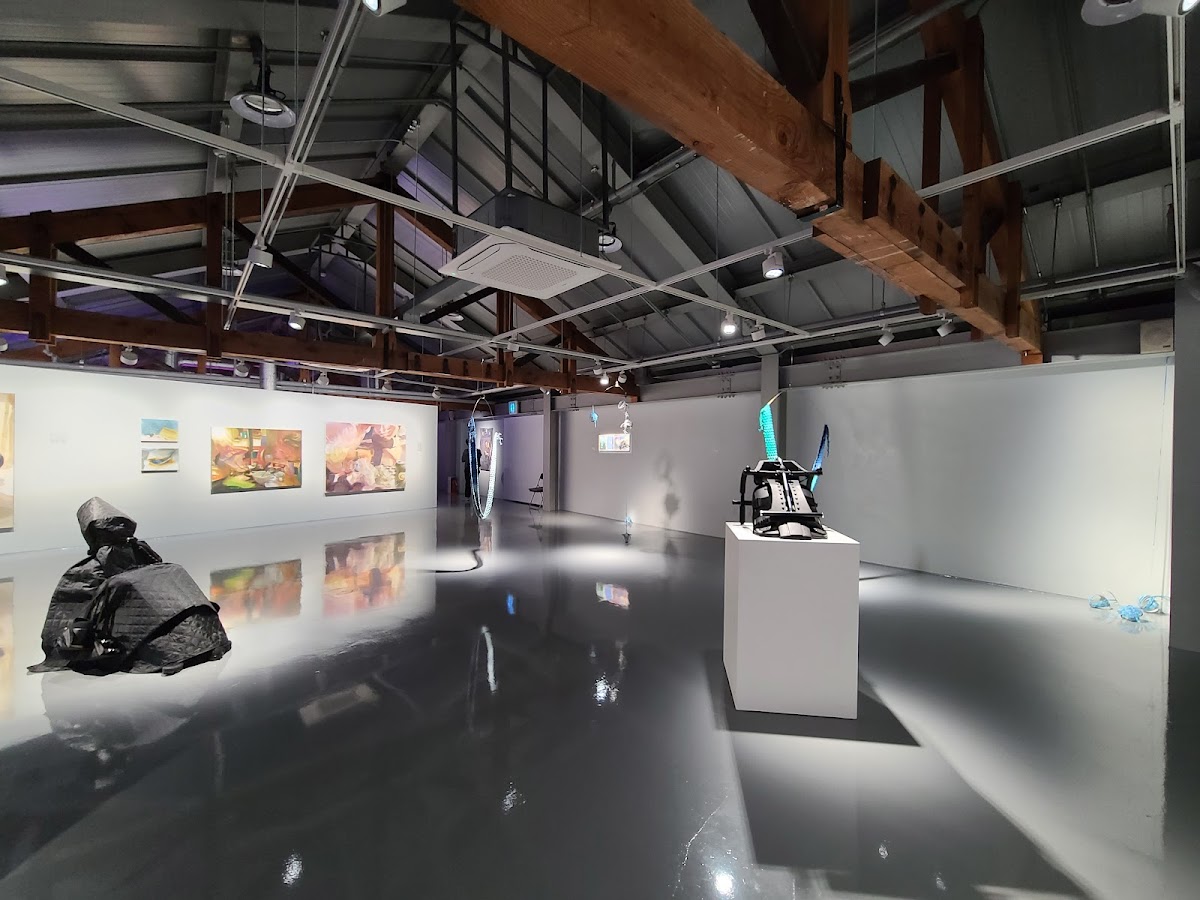
The buildings of the Incheon Art Platform largely feature red-brick exteriors, reflecting the architectural style prevalent during the port's opening. Inside, the original structural elements of the warehouses and factories, such as high ceilings, exposed steel frames, and heavy wooden rafters, have been preserved. These elements serve as a unique backdrop for contemporary art installations, creating a compelling dialogue between historical architecture and modern artistic expression.
The IAP functions as a multi-purpose cultural space, encompassing exhibition halls, performance venues, artist studios, and educational facilities. These various buildings are interconnected by courtyards and narrow alleyways, allowing visitors to experience a seamless flow between different artistic activities. Even seemingly empty spaces contribute to connecting the site's history with its present.
Residency Programs and Dynamic Engagement
A core function of the Incheon Art Platform is its residency program, which supports the creative activities of both domestic and international artists. This program provides artists with dedicated workspaces and fosters an environment for collaborative exchange and inspiration. Visitors often have the opportunity to observe artists at work in their open studios, gaining insight into the living process of art creation.
Artists frequently develop site-specific installations and performances that interact with the unique characteristics of the historical buildings. This synergy between the inherent aura of the old structures and the freedom of contemporary art generates a dynamic energy, positioning IAP as a constant site of innovation and change. The architectural features themselves inspire artists, leading to diverse works that utilize the space's unique qualities.
Jajangmyeon Museum: A Culinary Journey Through History
A short 5-7 minute walk east from the Incheon Art Platform leads to the Jajangmyeon Museum, situated at 56-14, Chinatwon-ro, Jung-gu, Incheon, within the heart of Incheon's Chinatown. This museum, opened in 2012, occupies the historic building of Gonghwachun, a restaurant established in 1905, which is credited with being the birthplace of Korean-style jajangmyeon. The red-brick building itself is designated as a Registered Cultural Heritage site.
The museum chronicles the origin and evolution of jajangmyeon, a beloved Korean comfort food. It details how the dish emerged from the lives of Chinese immigrants who arrived after the opening of Incheon Port in 1883. These dockworkers sought simple, hearty meals, leading to the adaptation of China's Shandong-style "zhajiangmian" to the local Korean context.
From Laborer's Meal to National Favorite
Exhibits at the Jajangmyeon Museum illustrate the early forms of jajangmyeon, which were saltier than today's sweeter version, reflecting the original taste of chunjang (black bean paste). The museum also highlights the dish's popularization in the 1960s, when it became a celebratory meal for special occasions like graduations and birthdays.
Dioramas vividly recreate 1960s Chinese restaurant kitchens and dining scenes, complete with traditional cooking equipment and mannequins depicting families enjoying their meals. Historical menus and advertisements further demonstrate how jajangmyeon transcended its role as mere sustenance to become a significant cultural symbol intertwined with the memories and emotions of the Korean people. The museum also explores the changes in ingredients and cooking methods, including the use of caramel coloring and the impact of post-Korean War flour supplies.
Visitor Information: Incheon Art Platform & Jajangmyeon Museum
Both the Incheon Art Platform and the Jajangmyeon Museum are conveniently located within walking distance of each other and Incheon Chinatown, making them ideal for a combined visit.
Incheon Art Platform
- Address: 3, Jemullyang-ro 218beon-gil, Jung-gu, Incheon.
- Hours: Tuesday – Sunday, 10:00 AM – 6:00 PM (Last admission 5:30 PM). Closed on Mondays, January 1st, Lunar New Year's Day, and Chuseok.
- Admission: Free for permanent exhibitions. Special exhibitions or programs may have separate fees. It is recommended to check the official website before visiting.
- Transportation: Approximately 7-10 minutes walk from Incheon Station (Subway Line 1 or Suin-Bundang Line). Easily accessible from the entrance of Chinatown.
Jajangmyeon Museum
- Address: 56-14, Chinatwon-ro, Jung-gu, Incheon.
- Hours: Tuesday – Sunday, 10:00 AM – 6:00 PM (Last admission 5:30 PM). Closed on Mondays, January 1st, Lunar New Year's Day, and Chuseok.
- Admission: 1,000 KRW for adults. (Check official website for discount eligibility).
- Transportation: Approximately 5 minutes walk from Incheon Station (Subway Line 1 or Suin-Bundang Line). About 5-7 minutes walk from Incheon Art Platform.
Recommended Nearby Itinerary
After visiting the Incheon Art Platform and Jajangmyeon Museum, it is recommended to stroll along Incheon's Open Port Street, explore the various Chinese restaurants in Chinatown, and try street foods like mooncakes and hongdubyeong. The area around the Jajangmyeon Museum, in particular, features many renowned Chinese eateries, including those that recreate the original Gonghwachun experience.
Visitor Info
| Location | Translating |
| Opened | Translating |
| Admission | Varies by exhibition (Free~₩5,000) |
| Hours | Tue-Sun 10:00~18:00 (Mon closed) |
| Getting There | Translating |
| Translating | Translating |
| Official Site | https://www.inartplatform.kr |