라르코 박물관 — 리마, 5,000년 페루 문명의 황금과 도자기
A Garden of Time: An Invitation to the Larco Museum
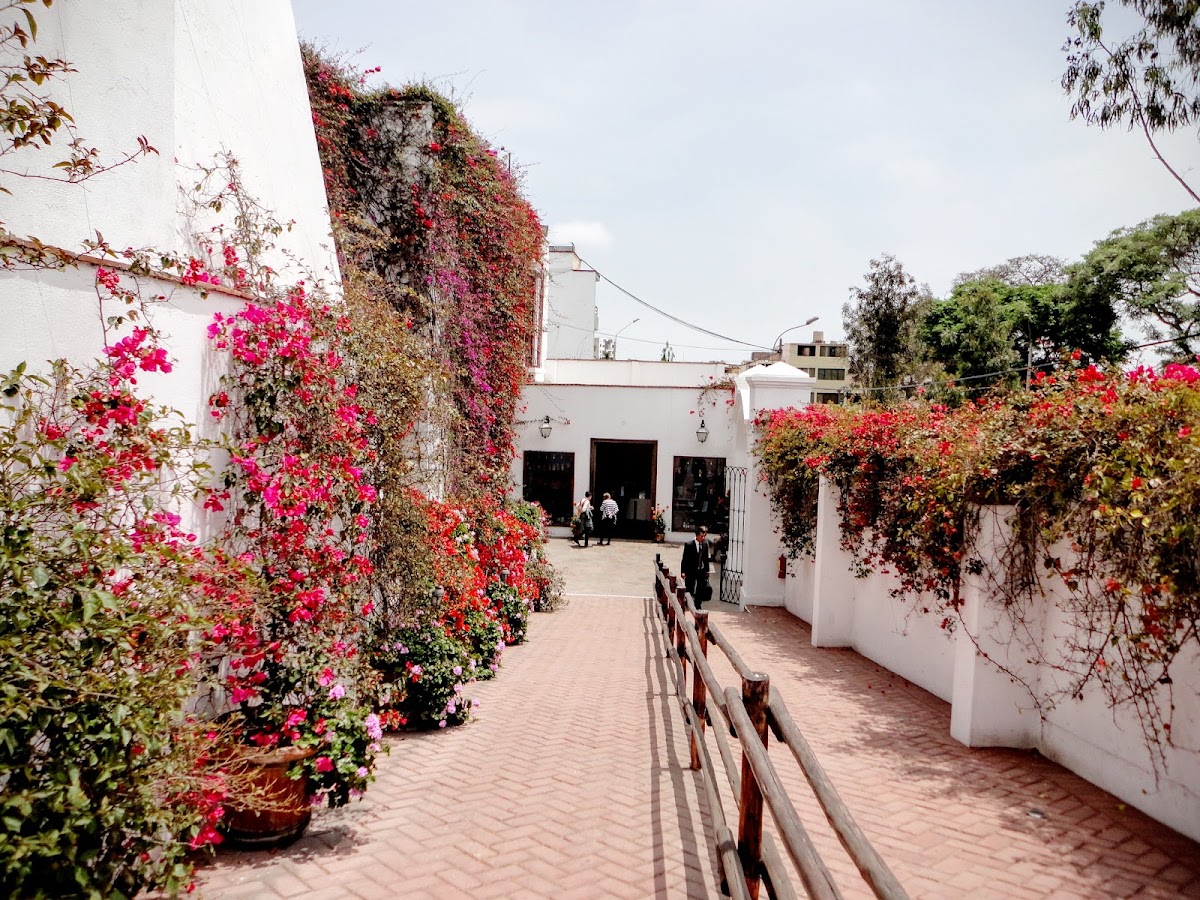
The Larco Museum (Museo Larco), nestled in a tranquil corner of Lima's vibrant Pueblo Libre district, is far more than just a museum. Within an elegant 18th-century Baroque villa, the essence of 5,000 years of pre-Inca Andean civilization breathes, creating a mysterious space where past and present intersect. As you follow the path through lush bougainvillea and fragrant jasmine gardens, you're enveloped in a sense of wonder, as if passing through a gateway of time. Walking along the Spanish-style arched corridors, the warm Lima sunshine filtering through the vivid green foliage heightens anticipation for the mystical stories of ancient artifacts awaiting inside. This place transcends a mere exhibition space; it is a sacred site for scholars worldwide studying Andean civilizations, and for visitors, it marks the beginning of a journey into the abyss of five millennia of history.
The Vision of Rafael Larco Hoyle and the Dawn of Andean Civilization
The Larco Museum was founded in 1926 through the indomitable passion and vision of Rafael Larco Hoyle, an eminent Peruvian archaeologist and collector. He was deeply saddened by the disappearance of countless traces of civilizations that flourished in this land before the Spanish conquest. His aim was to systematically collect, preserve, and reveal their greatness to the world. The museum's vast collection of over 45,000 artifacts comprehensively traces the footsteps of diverse civilizations that thrived along the Andes Mountains, from the mysterious early art of the Chavín culture to the intricate textiles of Nazca, the realistic ceramics of Moche, the opulent metallurgy of Chimú, and the grand architectural styles of the Inca Empire. These artifacts are not merely ancient relics but living testaments, embodying the thoughts, beliefs, daily lives, and artistic spirit of people who once breathed.
Echoes of Gold: The Metal Art of Andean Civilization
One of the most dazzling collections at the Larco Museum is housed in the Metal Gallery. A brilliant golden shimmer fills the exhibition space, captivating visitors' eyes. Here, one can directly witness how ancient Andean artisans developed astonishing metalworking techniques. For them, who worshipped the sun, gold was not merely a precious metal but a sacred substance, giving birth to works imbued with their souls and artistic spirit.
In particular, the golden funerary objects of the Moche civilization inspire awe with their exquisite precision and beauty. A golden eagle mask, for instance, symbolizes both power and divinity, its fierce gaze and delicate feather details conveying the breath of an artisan from a millennium ago. Royal earrings, nose ornaments, and chest adornments are decorated with extremely intricate carvings and patterns, showcasing the highest level of gold craftsmanship in the Americas. These were not mere trinkets but significant ceremonial objects symbolizing status and power, and preparing for the afterlife. The silver deity statues of the Chimú culture are also not to be missed. Silver, resembling the cool light of the moon, was primarily used to depict lunar or water deities, and these statues whisper of the religious worldview held by Andean people 1,000 years ago, with their subtle luminescence. The contrast between gold and silver reflects the multifaceted cosmology of Andean civilization, clearly demonstrating the social hierarchy and religious symbolic system of the time.
Faces Beyond Time: The Vivid Breath of Moche Portrait Pottery
A unique genre unprecedented in the history of world ceramics, the realistic pottery of the Moche culture (Ceramic Portraits), is another highlight of the Larco Museum. Entering the Ceramic Gallery, one is seized by a peculiar sensation as hundreds of eyes seem to gaze back at the visitor. These portrait ceramics astonishingly realistically depict the faces of real individuals who lived 1,500 years ago. Every expression — joy, sorrow, anger, serenity, and even wrinkles from aging or signs of illness — appears as vivid as a photograph taken yesterday. Each distinct face bears witness to the lives of various strata of Moche society – valiant warriors, wise priests, common farmers, or nameless children. The expressiveness, akin to modern sculpture, offers more than just aesthetic pleasure; it provides a profound resonance, as if directly interacting with ancient figures across time. These ceramics are not mere artworks but mirrors reflecting the lives, emotions, and spiritual world of the Moche people. Through them, we can perceive and empathize with the human aspects and complex emotions of ancient Andean people, much like our own today.
An Endless Sea of Artifacts: The Wonder of the Open Vault
The most unique and overwhelming experience at the Larco Museum is undoubtedly its Open Vault. This distinctive space was born from the museum's dilemma: tens of thousands of artifacts were too numerous to display in permanent exhibitions. General visitors can freely walk through the vault corridors, closely observing thousands of ceramics and artifacts neatly arranged on towering shelves that almost reach the ceiling. The faint scent of earth dust, combined with the unique aura emanating from countless ceramics, creates an atmosphere akin to a colossal library of time or an archaeologist's study.
Each shelf is densely packed with numerous pottery pieces representing various eras and cultures. Delicate Nazca ceramics, animal-shaped Moche pottery, geometrically patterned Tiwanaku artifacts – artifacts from diverse cultural spheres converge in one space, forming a majestic 'sea of artifacts.' This sight instantly expands one's understanding of the richness and multifaceted nature of Andean civilization. Standing before this overwhelming collection, seldom seen in typical museums, visitors are prompted to deep reflection on both the grandeur and the finiteness of human civilization. This experience transcends simple viewing, offering a sense of reverence for standing within the grand current of history and fostering a profound connection with ancient civilizations.
A Journey for the Senses: Practical Advice for Exploring the Museum
The Larco Museum, in itself, offers a complete cultural experience. The 'Café del Museo', located within the museum, is a gastronomic haven where you can enjoy a meal overlooking the beautiful gardens. The sophisticated menu, reinterpreting traditional Peruvian dishes with a modern twist, extends the visual delight provided by ancient artifacts to your palate. It is an ideal spot to unwind from travel fatigue while savoring emblematic Peruvian dishes such as fresh ceviche or lomo saltado.
The best time to visit is right after opening in the morning. It's relatively less crowded, allowing for a leisurely viewing of the exhibits, and the morning sun illuminating the gardens presents an even more beautiful vista. From downtown Lima, Miraflores, or Barranco districts, you can reach the museum in approximately 20-30 minutes using a taxi or ride-sharing services like Uber or Cabify. Inside the museum, photography is generally allowed, provided you refrain from using flash. After your visit, purchasing unique souvenirs inspired by Andean artistic heritage from the museum gift shop can be a cherished memory.
The Larco Museum is more than just a space for preserving and exhibiting ancient artifacts; it is a living museum where you can travel back in time to feel the heartbeat of Andean civilization. The experience here will enrich your soul and provide unforgettable emotions and inspiration. If you visit Peru, do not miss this magnificent treasure trove of history.
Visitor Info
| Location | 페루 리마 푸에블로 리브레 (Av. Bolívar 1515, Pueblo Libre, Lima) |
| Opened | 1926년 |
| Admission | Adult $15 / Student $7.5 / Child Free |
| Hours | 9:00~22:00 (연중무휴) |
| Getting There | 리마 메트로Bus Giro Lima 28 de Julio Stn from Taxi 10min |
| 추천 | 개방형 Wed장고(Open Vault) 관람 필Wed / 정원 레스Sat랑 from 리마 전통 요리 |
| 공식 사이트 | https://www.museolarco.org |
