바레인 국립박물관 — 마나마, 페르시아만의 고대 딜문 문명을 만나다
Bahrain National Museum — The Pearl of the Arabian Gulf, Where Time and Myth Flow
Above the blue waters of the Arabian Gulf (Persian Gulf), under the brilliant sun, lies the small island nation of Bahrain, which, like its name, embraces a long history at the boundary of 'two seas.' Where the emerald sea surface meets the dry desert winds, this place was a cradle of grand civilization, by no means small in the ancient world. From around 3000 BCE to 1800 BCE, this mysterious island, known as Dilmun, was the heart of maritime trade connecting Mesopotamia (present-day Iraq) and the Indus Valley Civilization (present-day Pakistan), and a legendary place depicted as the land of immortality in myth. The epic of Gilgamesh, an ancient Sumerian tale, describes this dreamlike land where the hero Gilgamesh sought immortality as Bahrain. Thus, visiting this place is not merely traveling to a country but an experience of stepping into the deep origins of human civilization.
Bahrain National Museum: A Grand Prelude to the Past
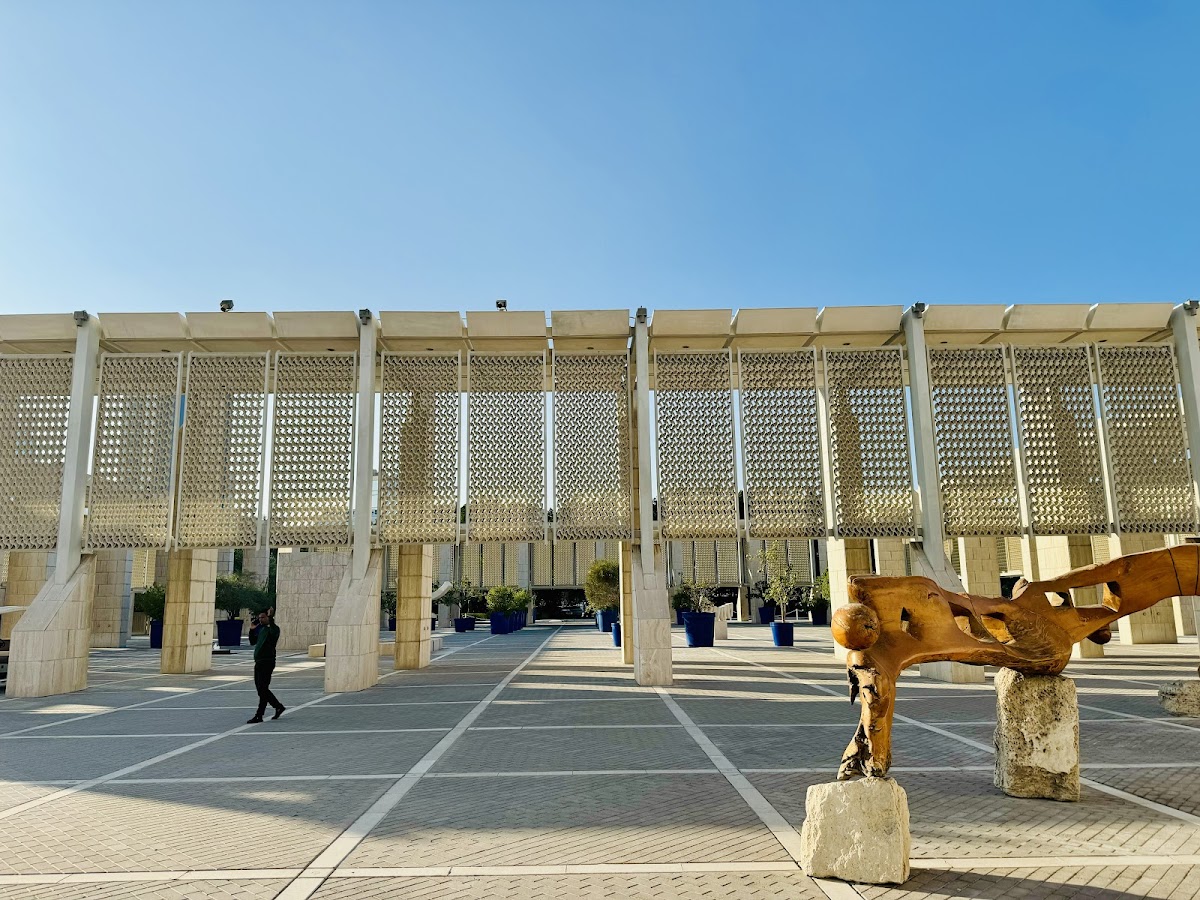
Standing firmly against the gentle waves of the Arabian Gulf, the Bahrain National Museum, opened in 1988, holds the honor of being the first modern national museum in the Gulf region. From the moment you approach the museum, its modern exterior, harmoniously blending glass and concrete, quietly speaks of Bahrain's coexistence of tradition and modernity. The design, as if drawing the sparkling bay landscape into the building, offers visitors a serene yet grand first impression. As you step into the museum amidst a quietness seemingly carried by the soft sea breeze, cool air greets you, along with artifacts that seem to compress thousands of years of time. This museum is not merely a space for displaying relics but a living time capsule that allows us to feel the breath of forgotten civilizations and empathize with the wisdom and lives of ancient people.
Dilmun Civilization: An Ancient Kingdom of Myth and Trade
Stepping into 'Dilmun Hall,' one of the museum's core exhibition rooms, you might feel as if you've entered the heart of an ancient kingdom. Traces of the brilliant Dilmun civilization, flourishing from around 3000 BCE, are delicately displayed. The first thing that catches the eye is a large-scale model of an ancient burial mound. The Dilmun tombs scattered throughout Bahrain reveal the deep beliefs the ancients held about the afterlife. The intricately carved limestone burial chambers and the pottery and ornaments interred within testify to the high artistic sensibility and technical skill of Dilmun society. It feels as if the colossal tombs that once stood alone in barren fields are now speaking to us, preserving their grandeur under the museum's protection.
Next to capture attention are the clay tablets inscribed with cuneiform script. The tiny lines etched into the clay offer a glimpse into the vast records and knowledge accumulated by ancient Dilmunites as they engaged in intermediary trade between Mesopotamia and the Indus Valley Civilization. These characters are not just mere writing; they are decisive evidence of how active Bahrain was as a hub of international trade and the intellectual capabilities Dilmunites displayed within it. The cylindrical seals, despite their small size, also exude an overwhelming presence. Engraved with mythical animals, images of kings, and complex geometric patterns, these seals were not simple stamps but symbolized ownership and authority, playing an essential role in Dilmun's administration and commercial activities. The delicate carving techniques suggest the mastery of the artisans of that time, and one cannot help but admire their aesthetic sense with each close look. Gold ornaments display the wealth and decorative culture of Dilmun society, vividly demonstrating how refined and sophisticated ancient Bahraini civilization was. Amidst the luminous glow of gold, one feels a sense of awe as if the opulent lives of ancient royalty and nobles are flashing by.
From the Tylos Era to Post-Islamic Bahrain
After the golden age of the Dilmun civilization, Bahrain was known as 'Tylos' and came under the influence of Hellenistic culture. Later, the advent of Islam in the 7th century brought a new turning point in Bahrain's history. The museum also houses a rich collection from the post-Islamic era. Beautiful Islamic calligraphy, early Qur'ans, and delicate elements of Islamic architectural styles show that Bahrain was an important pillar of the Islamic world. Ancient manuscripts and ceramics written in Arabic offer a glimpse into the daily lives and religious beliefs of the people of that time.
In particular, the exhibition on the 'Pearl Diving Industry' is one of the most crucial parts for understanding Bahrain's history. From the Middle Ages until the early 20th century, Bahrain's economy and culture flourished around pearls. Upon entering the exhibition hall, models of magnificent traditional fishing boats, 'dhows,' that plied the blue seas, and the equipment of pearl divers who risked their lives diving deep into the sea, are vividly recreated. The courage of the pearl divers who held their breath and plunged into the ocean, their arduous lives searching for pearls, and the ecstasy of finally holding a glistening pearl seem to permeate each exhibit. The bustling bazaar scenes of pearl merchants and the beautiful natural pearls of various sizes and colors make one imagine the wealth and prestige of Bahrain at the time, allowing visitors to once again experience the past glory of this island nation amidst a dazzling radiance. From the period of brief Portuguese rule in the 16th century to complex relations with the Ottoman Empire, the depth and diversity of history held by Bahrain, an island nation of just 600,000 people, leave a profound impression on visitors.
Beyond the Museum, Into Bahrain's History
The Bahrain National Museum is excellent on its own, but it also serves as a starting point for a deeper exploration of Bahrain's past, especially when combined with nearby attractions. After your museum visit, we recommend enjoying a fragrant cup of Arabic coffee at the outdoor terrace cafe, soaking in the cool breeze from the Arabian Gulf. Imagining ancient trade ships sailing these waters while watching small boats pass by will be an unforgettable experience.
Practical Travel Tips and Nearby Attractions
- Best Time to Visit: The mild Bahraini winter, from October to April, is the most ideal time to visit. Temperatures are pleasant, making outdoor activities enjoyable.
- Transportation: You can conveniently reach the museum from Manama city center by taxi or ride-sharing apps (e.g., Uber, Careem).
- Culinary Experience: There are restaurants near the museum where you can taste traditional Bahraini cuisine. Try 'Machboos,' a dish made with lamb and rice, or 'Ghoozi,' a whole roasted lamb dish, accompanied by Arabic coffee and sweet dates. The rich flavors and exotic aromas of the spices will enhance your travel enjoyment.
- Recommended Itinerary:
- Qal'at al-Bahrain (Bahrain Fort, UNESCO World Heritage Site): Located about 10-15 minutes by car from the museum, this fort is a place where traces of various civilizations, from the Dilmun era to the Islamic period and Portuguese rule, are layered. Walking along its mighty walls, you can feel the footsteps of ancient people, and the sunset against the backdrop of the Arabian Gulf offers an unforgettable spectacle. Listen to the stories of long-ago times carried by the wind.
- Muharraq Old Town (UNESCO Tentative List): Muharraq, Bahrain's former capital, is a charming place with traditional buildings and narrow alleys intertwined like a maze. Here, you can stroll through former pearl merchants' houses, traditional craft shops, and a souq filled with the scent of spices, experiencing the true essence of Bahrain. With every step, the vibrant traces of past life and serene beauty coexist.
- Souq Al-Manama: Experience local Bahraini culture in this bustling traditional market. Filled with all sorts of spices, textiles, and gold, it offers a feast for the senses.
The Bahrain National Museum is more than just a place to display artifacts; it's a place where you can feel the soul of Bahrain, which has changed and evolved over thousands of years. Listening to the mysterious stories of the Dilmun civilization, empathizing with the sweat and passion of the pearl diving industry, and marveling at the beauty of Islamic civilization – all these moments combine to make a 2-3 day trip to Bahrain not just a journey but a profound experience and realization, as if you are personally experiencing a page of human history. We invite you into the vast historical currents held by Bahrain, the small pearl of the Arabian Gulf.
Visitor Info
| Location | 바레인 마나마 (Al Fatih Hwy, Manama, Bahrain) |
| Opened | 1988년 |
| Admission | Free (Sun부 특별전 제외) |
| Hours | Wed-Mon 8:00~20:00 (Fri 14:00~20:00 / Tue요Closed Sun) |
| Getting There | 마나마 city center from Taxi 10min / 자동차 진입 용이 |
| Highlights | 딜문 문명 유물관 / 진주 산업 Stn사 섹션 / 이슬람 예술 갤러리 |
| 공식 사이트 | https://www.bahrainmuseum.gov.bh |
