마나마, 페르시아만의 고대 딜문 문명을 만나다
마나마, 페르시아만의 고대 딜문 문명을 만나다
Bahrain National Museum: A Gateway to Ancient Dilmun and Island Heritage
The Bahrain National Museum, located on Al Fatih Highway in Manama, stands as a prominent cultural landmark on the Persian Gulf coast. Opened in 1988, this modern architectural marvel appears to float on the water, reflecting Bahrain's deep connection to the sea. It serves as the nation's premier institution for chronicling Bahrain's rich history, from prehistoric times to the present day, housing the oldest civilization history in the Gulf region.
Architecture: Blending Modernity with Tradition
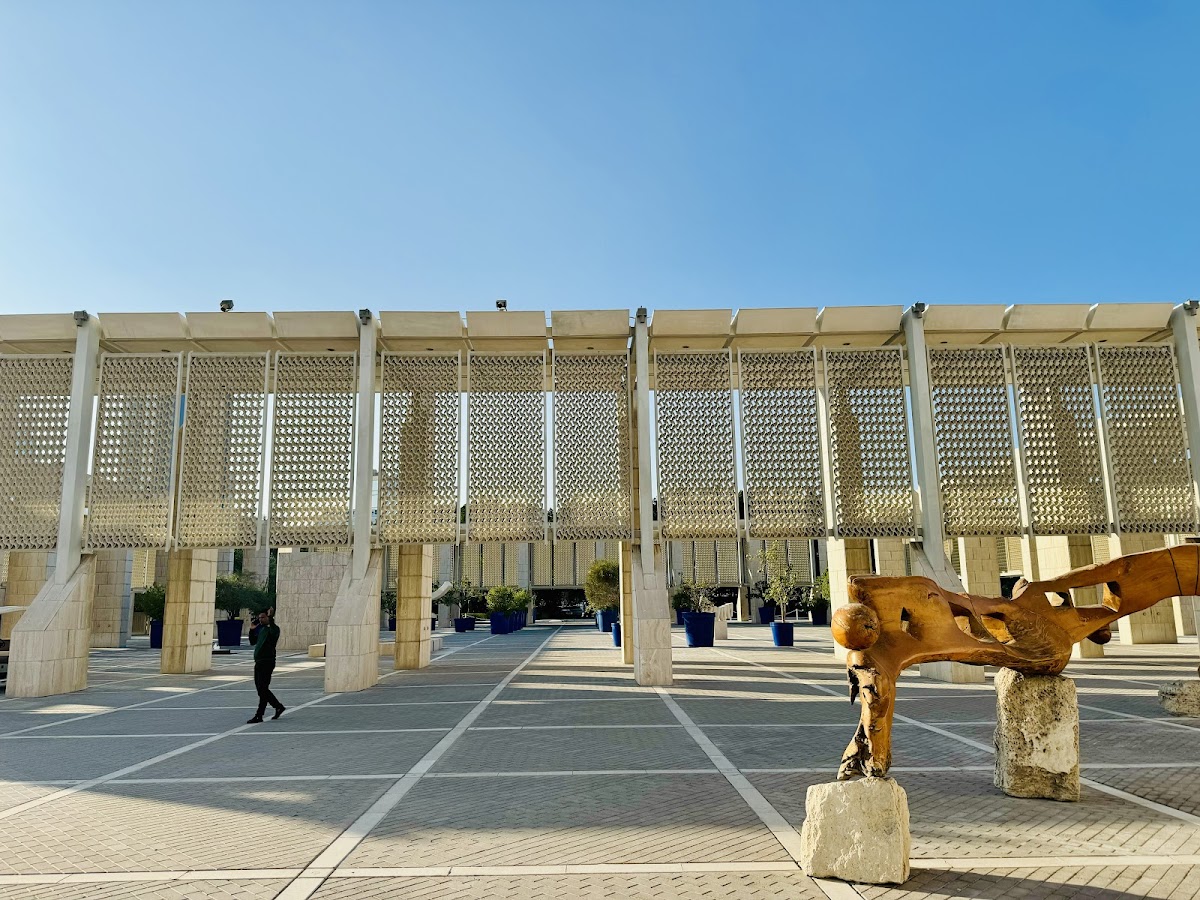
The museum's design is a striking blend of contemporary aesthetics and traditional Bahraini architectural elements. Its pristine white limestone facade and expansive glass panels gleam under the Arabian sun, creating a visual dialogue with the surrounding blue waters. Inside, high ceilings and vast spaces allow natural light to illuminate the exhibits, fostering an atmosphere of reverence and openness. Traditional Bahraini patterns adorning the exterior further emphasize the museum's role in preserving national identity.
The Legacy of Dilmun: A Cradle of Civilization
At the heart of the Bahrain National Museum's collection lies the ancient Dilmun civilization, which flourished from 3000 BCE to 600 BCE. This powerful maritime trade hub connected Mesopotamia and the Indus Valley, playing a crucial role in ancient global commerce. The museum showcases an extensive array of artifacts from this era, including pottery, jewelry, and weapons excavated from the vast Dilmun Burial Mounds scattered across Bahrain. These exhibits offer profound insights into Dilmun's sophisticated society, its burial customs, and its spiritual significance, as described in ancient Sumerian texts as a 'sacred land' and 'paradise.'
Dilmun Seals and the Pearl Diving Industry
Among the most captivating artifacts are the Dilmun Seals – small cylindrical or stamp seals used in ancient trade. Intricately carved with mythical creatures, deities, and daily life scenes, these seals are not merely commercial tools but artistic expressions reflecting Dilmun's beliefs and worldview. Another vital section is dedicated to Bahrain's historic pearl diving industry, a cornerstone of its economy and culture from antiquity to the mid-20th century. Models of pearl boats, diver's tools, and vivid depictions of the arduous life of pearl divers illustrate why Bahrain was known as the 'Land of Pearls,' symbolizing the resilience of its people.
Islamic Heritage and Natural History
Beyond Dilmun, the museum also explores Bahrain's Islamic era, featuring Islamic art, calligraphy, and models showcasing architectural evolution. Galleries dedicated to traditional costumes, crafts, and the local ecosystem further enrich the narrative, providing a comprehensive overview of the island's unique cultural and natural heritage. The museum's layout guides visitors through a chronological journey, ensuring a holistic understanding of Bahrain's multifaceted past.
Visitor Information
The Bahrain National Museum is open Wednesday to Monday from 8:00 AM to 8:00 PM, with Friday hours from 2:00 PM to 8:00 PM. It is closed on Tuesdays. Admission for adults is 1 BHD, with potential additional fees for special exhibitions. The museum is easily accessible by taxi (approx. 10 minutes from Manama city center) and offers ample parking. Visitors typically spend 1.5 to 2 hours exploring the extensive collections. A cafe is available on-site, and various restaurants can be found in nearby Manama Souq or Fatih Beach.
Visitor Info
| Location | Translating |
| Opened | Translating |
| Admission | Translating |
| Hours | Translating |
| Getting There | Translating |
| Highlights | Translating |
| Official Site | https://www.bahrainmuseum.gov.bh |