말레이시아 이슬람미술관 — 쿠알라룸푸르, 세계 이슬람 예술의 보물창고
Islamic Arts Museum Malaysia – Kuala Lumpur: A Treasure Trove of Global Islamic Art
Arriving in Malaysia’s bustling capital, Kuala Lumpur, one is often captivated by its glittering skyline and vibrant streetscapes. Yet, amidst this lively urban tapestry lies a sanctuary of profound beauty and quiet contemplation: the Islamic Arts Museum Malaysia. As a cultural travel writer who has traversed museums across the globe, I must confess, I was utterly unprepared for the sheer scale and magnificence of the Islamic art collection housed in the heart of Southeast Asia. This was far more than a mere exhibition space; it was a living chronicle, unveiling the multifaceted grandeur of Islamic civilization before my very eyes.
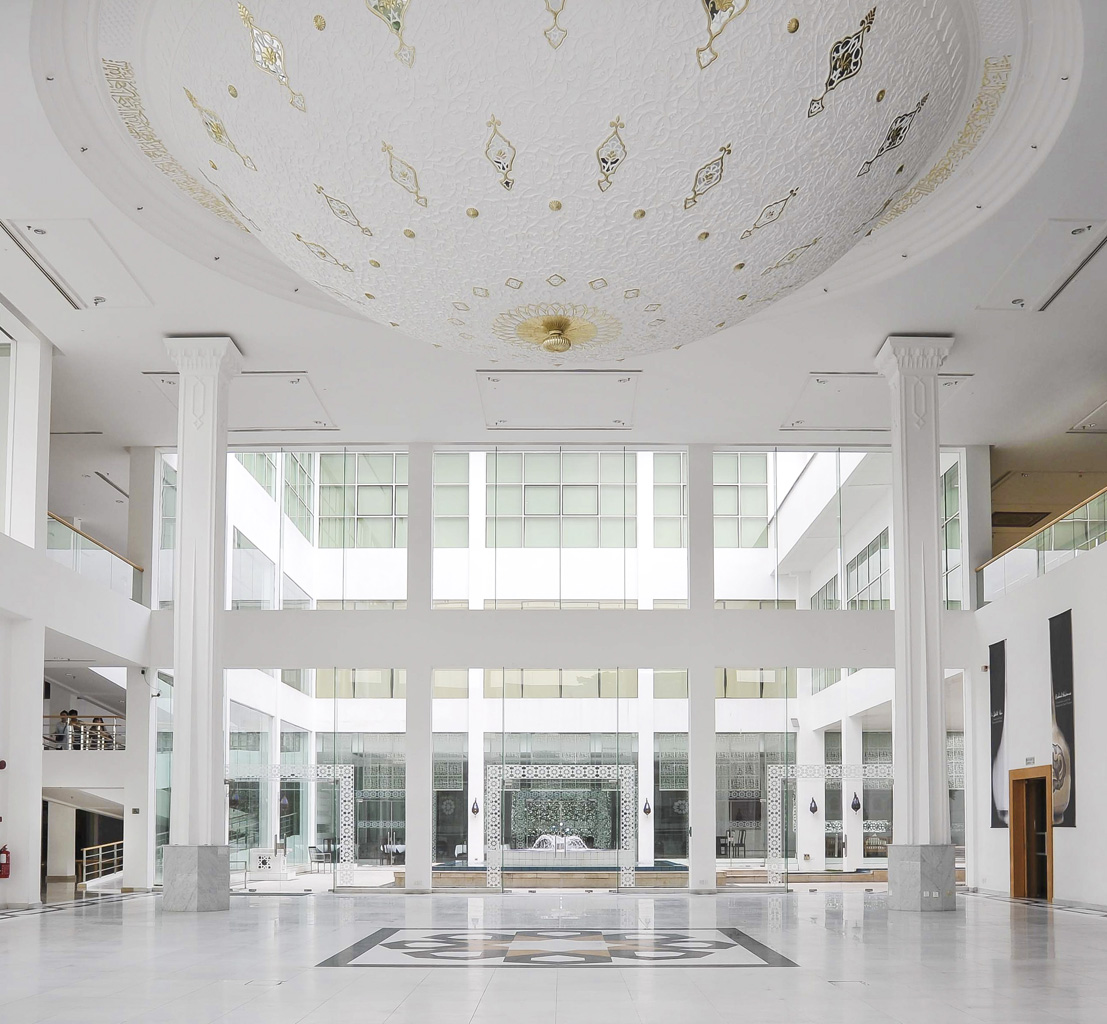
The museum’s architecture itself is a masterpiece, a harmonious blend of traditional Islamic motifs and contemporary design that immediately sets a tone of elegance and reverence. Stepping inside, I was greeted by soaring domes, each meticulously adorned with intricate geometric patterns, allowing natural light to cascade gently onto the polished floors. The vast, open galleries felt less like a conventional museum and more like a series of interconnected courtyards, inviting unhurried exploration. Situated gracefully amidst the lush embrace of the Perdana Botanical Gardens, the museum offers a serene escape, its white walls and green domes a striking contrast to the city's modern towers, hinting at the treasures within.
Since its inauguration in 1998, the museum has become a pivotal institution, housing an astonishing collection of over 7,000 artifacts. What struck me most was the incredible geographical and temporal breadth of its holdings. Here, I traced the artistic currents of Islamic lands from as far west as Spain to the eastern reaches of China, spanning centuries of creativity. It was a journey through diverse empires and cultures, yet all united by an underlying aesthetic sensibility. From the delicate pottery of Persia to the robust metalwork of the Mamluks, each piece contributed to a larger narrative, illustrating the enduring legacy and widespread influence of Islamic art.
Wandering through the galleries dedicated to the written word, I found myself mesmerized by the art of Islamic calligraphy. The sheer devotion evident in the exquisite Quranic manuscripts, with their gilded borders and perfectly rendered scripts, was palpable. Each stroke, each curve, was a testament to a profound spiritual connection and unparalleled craftsmanship. Beyond the sacred texts, I admired illuminated scientific treatises and poetic verses, where ink and pigment converged to transform words into visual poetry. It was a powerful reminder of the central role of knowledge and aesthetics in Islamic tradition.
Further on, the vibrant textiles and intricate ceramics commanded my attention. Rich silks woven with complex designs, delicate carpets telling stories in their patterns, and glazed pottery shimmering with hues of turquoise, cobalt, and emerald—each piece offered a window into the daily lives and artistic aspirations of past civilizations. The precision of the tile work, the subtle variations in glazes, and the vibrant colours spoke volumes of the artisans' mastery. The museum also proudly displays a remarkable collection of arms and armour, jewellery, and fascinating architectural models of iconic mosques from across the globe, offering a miniature pilgrimage to some of the world's most revered structures.
My visit to the Islamic Arts Museum Malaysia was more than just viewing artifacts; it was an immersive experience that challenged preconceived notions and fostered a deeper appreciation for a rich cultural heritage. There was a particular moment, standing before a display of exquisite Ottoman-era jewellery, when the intricate filigree and vibrant gemstones seemed to shimmer with stories from centuries past. It was a profound connection, feeling the echoes of distant artisans, their dedication to beauty and meaning transcending time and geography. The museum, through its thoughtful curation and serene atmosphere, gently guides visitors to contemplate the enduring human quest for beauty, knowledge, and spiritual expression.
Practical Tips
The Islamic Arts Museum Malaysia is conveniently located within the Perdana Botanical Gardens area, adjacent to the National Mosque. It is open daily from 9:30 AM to 6:00 PM, though it's always wise to check their official website for any public holiday changes. An admission fee applies, which grants access to all galleries. To reach the museum, a ride-sharing service like Grab is highly convenient, or you can take the LRT to Pasar Seni station and then a short walk or taxi. I recommend setting aside at least three to four hours to fully appreciate the extensive collection. The museum also features a well-stocked gift shop with unique crafts and books, and a pleasant restaurant on the lower ground floor serving Middle Eastern and local cuisine. Visiting on a weekday morning often allows for a more tranquil experience, letting you absorb the art in peaceful contemplation.
Visitor Info
| Location | 말레이시아 쿠알라룸푸르 (Jln Lembah Perdana, 50480 Kuala Lumpur) |
| Opened | 1998년 |
| Admission | Adult RM 20 / Child RM 10 |
| Hours | 10:00~18:00 (연중무휴) |
| Getting There | LRT Pasar SeniStn from Taxi 10min / Grab 이용 권장 / 레이크 가든 공원 from walk 가능 |
| Highlights | 쿠란 필사본 컬렉션 / 오스만 타Sun 패널 / 인도 무굴 미니어처 |
| 공식 사이트 | https://www.iamm.org.my |
