Mathaf — 카타르 도하, 아랍 현대미술의 세계적 허브
Mathaf: The Heart of Arab Modern Art, Aesthetic Echoes Resounding in Doha
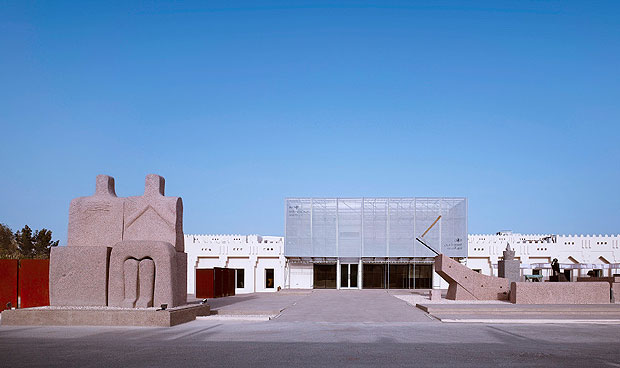
Deep within Education City, a campus where innovation and tradition coexist in the heart of Doha, Qatar, lies a space that has been reborn while preserving the traces of time. This is Mathaf: Arab Museum of Modern Art, unfolding a grand narrative of Arab modern art. As its name, meaning 'museum' in Arabic, suggests, Mathaf is more than just a building; it is a living testament where the tumultuous history and cultural pride of the Arab world are etched onto canvases. Established by the Al-Thani royal family foundation of Qatar, it was born from a noble vision to globally showcase the true value and originality of Arab modern art, which has long been marginalized in Western-centric art history. Transformed from a 1950s school building, Mathaf visually embodies the healing and transformative power of art through its dramatic architectural metamorphosis, where a former educational space becomes a treasury of contemporary art.
Architectural Transformation and the Aesthetics of Space: Resonance of Past and Present
The Mathaf building itself is a work of art, a space that invites deep contemplation from its visitors. French architect Jean-François Bodin delicately renovated the 1950s school building, preserving its robust structure and functionality while creating flexible and open exhibition spaces for modern art. Sunlight streaming along the exterior walls gently permeates the brickwork, imbued with the traces of time, and upon entering, visitors are greeted by a distinctly Arab atmosphere of calm and contemplation. High ceilings and wide corridors provide ample breathing room between artworks and viewers, and sometimes natural light seeping in from the central courtyard adds vitality to the space. Each exhibition room follows the diverse currents of Arab modern art, with works in various media – painting, sculpture, installation, photography – quietly narrating their stories. The air here feels strangely peaceful, yet at the same time, one can sense the breath of tumultuous Arab modern history. Amidst the white walls and minimalist spaces, the artworks deliver their messages more vividly, allowing visitors to escape the bustle of the outside world and engage in a profound experience of confronting art.
The Depths of Arab Modernism: Exploring Diversity and Identity
The core of the Mathaf collection comprises over 6,000 works by artists active across the vast Arab world from the 1950s to the present day, including Egypt, Iraq, Lebanon, Syria, Jordan, North Africa, and the Gulf region. These works are not merely 'variations of Western art,' but rather the product of a fierce journey undertaken by Arab artists to explore their identities and create new aesthetic languages amidst the turbulent social and political realities of their times. When powerful Western art movements like Parisian abstraction, New York Pop Art, and Moscow's Socialist Realism flowed into the Arab world, Arab artists did not blindly accept them. Instead, they creatively integrated these influences with their own history, religion, ethnic identity, and unique social realities. They reinterpreted the formal beauty of Islamic calligraphy, symbols of ancient civilizations, and orally transmitted mythological narratives with a contemporary sensibility, thereby building their own distinct Arab Modernism. The Arab culture, often viewed through the distorted lens of 'Orientalism' in the West, approaches visitors at Mathaf with pure, intense energy, free from any filters. Here, we vividly witness how Arab artists transcended Western perspectives to articulate their own stories and open new aesthetic horizons.
Art as a Witness to the Era: Aesthetics Born from Tumultuous History
In particular, the works of Jawad Salim, often called the 'father of modern Iraqi art,' are among the brilliant treasures of the Mathaf collection. While deeply understanding Western modernism through his European studies, he sublimated the deep-rooted traditions of Mesopotamian civilization and the lives of the Iraqi people into a unique visual language on canvas. In his paintings, the ancient currents of the Euphrates River, the lively market scenes of Baghdad, and the profound human struggles that permeate the era dynamically come to life. Salim's work is regarded as the starting point of Arab Modernism, demonstrating how tradition and innovation can be successfully fused. Additionally, numerous works born amidst the tragedy of the Lebanese Civil War, the pain of the Palestinian issue, the scars of the Gulf War, and the whirlpool of hope and despair epitomized by the 'Arab Spring' eloquently demonstrate that art does not merely pursue beauty, but can also serve as a historical record, acting as a witness to its era. Walking through the exhibition halls, one feels as if hearing the heartbeat of the ever-changing Arab world, and the artists' passion for dreaming of hope amidst despair, and new creation amidst destruction, is fully conveyed, offering deep emotion and resonance.
The Pinnacle of Doha's Cultural Journey: Qatar's Allure Beyond Mathaf
Beyond Mathaf, the city of Doha itself is rapidly emerging as an unexpected global cultural destination. Encountering a millennium of Islamic art heritage at the magnificent Museum of Islamic Art (MIA), and experiencing the wondrous design of architect Jean Nouvel at the National Museum of Qatar (NMoQ), which encompasses Qatar's nature, history, and future, are unforgettable experiences that Doha offers. Thus, Doha, in addition to Mathaf, boasts a concentration of world-class cultural institutions such as MIA, NMoQ, and the Al Jumail International Art Center, making it truly an unexpected top destination for travelers with a deep interest in art, history, and architecture. Each museum and gallery possesses its own unique narrative and charm, mutually complementing each other to illuminate the rich cultural heritage of Qatar and the Arab world. These architectural marvels, integrated with Doha's skyline, symbolize the city's modern vision and simultaneously offer visitors both visual pleasure and intellectual exploration. For those seeking to quench their cultural thirst and gain new inspiration, Doha promises an unforgettable journey.
Journey Guide for Visiting Mathaf: Practical Advice for an Unforgettable Cultural Experience
Optimal Visit Time: Doha boasts relatively mild and pleasant weather from October to April. The period from late autumn to spring is especially suitable for outdoor activities and museum exploration. You can enjoy the museum more leisurely and comfortably by visiting early in the morning to avoid the midday heat or planning your visit around sunset. Generally, visiting right after opening or before closing allows for a more tranquil atmosphere to immerse yourself in the artworks.
Transportation: Mathaf is located within Doha's innovative Education City, making taxis or Qatar's convenient ride-sharing services (e.g., Careem, Uber) more practical than public transportation. If using the Doha Metro, you can alight at 'Education City' station and transfer to a free shuttle bus or a taxi. Ample parking is available if you are driving.
Dining Options: Mathaf has a café where you can enjoy a light meal or a relaxing cup of coffee. Additionally, Education City features various international restaurants. Nearby, Alain Ducasse's 'IDAM' restaurant at the Museum of Islamic Art (MIA) or the upscale restaurants within the National Museum of Qatar will further enrich your culinary experience. If you prefer a traditional atmosphere, we recommend trying local cuisine at the lively Souq Waqif.
Connecting with Nearby Attractions: After visiting Mathaf, we recommend combining your trip with other major cultural facilities in Doha, such as the Museum of Islamic Art (MIA), the National Museum of Qatar (NMoQ), and the traditional market, Souq Waqif, to fully immerse yourself in culture and art for a whole day. These locations are not far from each other, making it easy to plan an efficient itinerary. Checking the opening hours, admission fees, and special exhibition information for each museum in advance will allow for a more fulfilling visit.
Points to Note During Your Visit: It is important to maintain a quiet atmosphere in most museums, refrain from using flash when taking photos, and observe any restrictions on photographing specific artworks. It is advisable to wear appropriate attire (covering shoulders and knees) to show respect for Arab cultural norms.
Visitor Info
| Location | 카타르 도하 (Education City, Doha, Qatar) |
| Opened | 2010년 |
| Admission | Adult QAR 30 / Student QAR 15 / 12세 이하 Free |
| Hours | Sat-Thu 9:00~19:00, Fri 13:00~20:00 |
| Getting There | 도하 메트로 레드라인 Education CityStn from walk 10min |
| 도하 미술관 코스 | 이슬람미술관(MIA) → 마타프 → 카타르 국립박물관 (하루 코스 가능) |
| 공식 사이트 | https://www.mathaf.org.qa |
