아테네움 미술관 — 헬싱키, 핀란드 예술의 영혼이 깃든 국보급 미술관
Ateneum Art Museum — The National Treasure Museum Where the Soul of Finnish Art Resides in Helsinki
Stepping out of the grand, arched entrance of Helsinki Central Station, one's gaze is naturally drawn to the sturdy yet elegant building across the square. Erected in the late 19th century, a turbulent era, the Neo-Renaissance facade stands proudly as if symbolizing Finland's national pride. It is more than just a magnificent structure; it silently speaks of being a sanctuary where the spirit and history of Finnish art reside. This very place, the Ateneum Art Museum, houses Finland's largest collection of classical art and has, since its opening, established itself as a pivotal cultural heritage site encompassing the entire history of Finnish art. As if holding both the profound stillness of deep forests and the mystique of the Aurora Borealis, Ateneum offers visitors a special journey to explore Finland's identity and artistic depth.
Architectural Beauty and Historical Context
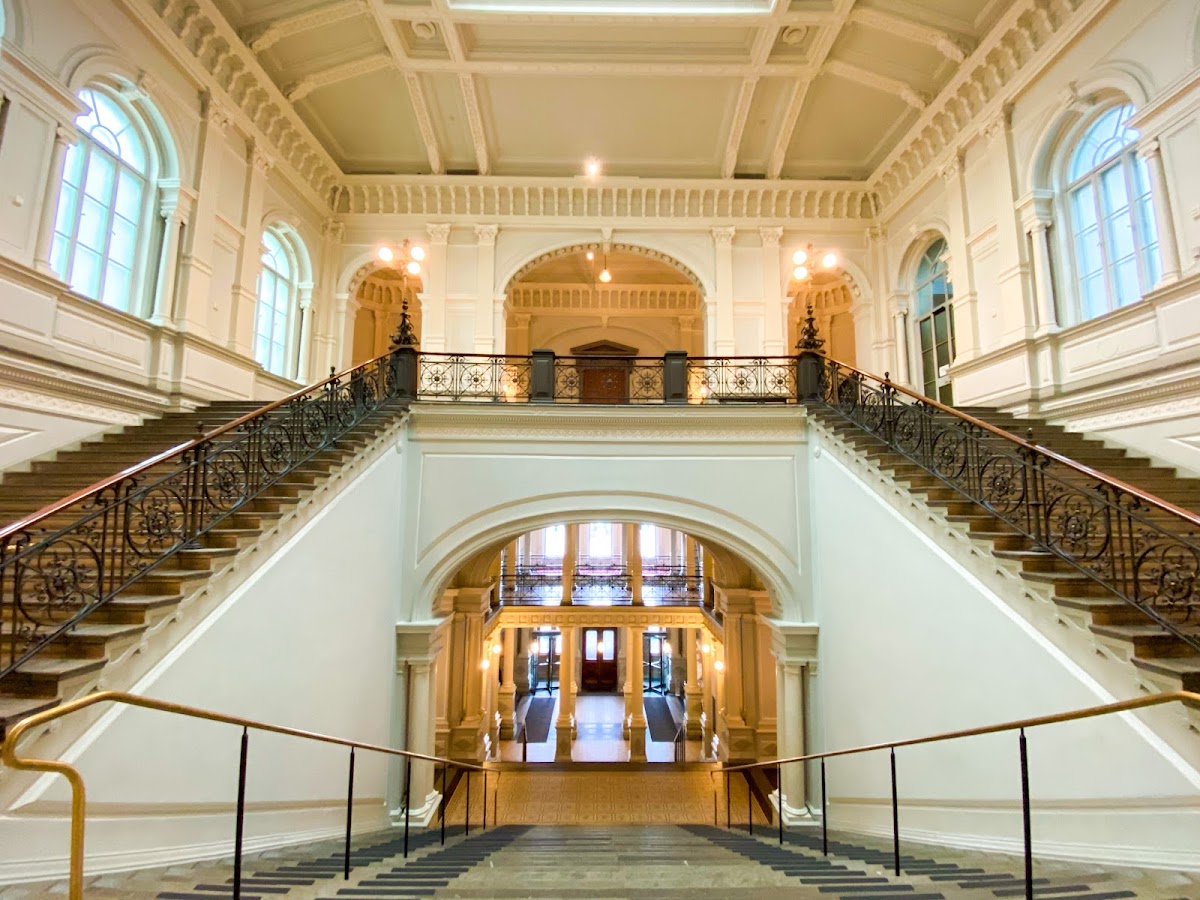
The exterior of the Ateneum building is, in itself, a work of art. Its ornate yet restrained Neo-Renaissance style maximizes the aesthetics of symmetry and balance, imbuing the viewer with a sense of stability and awe simultaneously. The harmony of red brick and white granite, combined with columns, arches, and intricate sculptures, enhances the building's dignity. In particular, the bas-reliefs of Greek mythological goddesses and heroes adorning the entrance clearly express the museum's classical nature, symbolizing the ideals and values pursued by the Finnish art world in the late 19th century. Opened in 1887, Ateneum was a product of the fervent desire to awaken national consciousness in Finland, then under Russian rule, and to establish Finland's unique culture and art. This was not merely a space for exhibiting paintings but also a place of education and a spiritual fortress where Finnish artists learned and created, and where the Finnish people reaffirmed their national identity through art. Stepping inside, one is immediately enveloped by the vast, high ceilings, soft lighting, and a palpable historical depth in the quietude. The creaking of the wooden floors and the reverence felt before the masterpieces filling the walls create an intense sense of immersion that makes one forget the passage of time.
The Heart of Finnish National Art: Akseli Gallen-Kallela
The essence of the Ateneum collection is undoubtedly the works of Finland's national painter, Akseli Gallen-Kallela. His paintings are more than mere canvases; they are visual epics imbued with the soul of the Finnish people. In particular, his mythological painting series inspired by the Finnish national epic, 'Kalevala', were crucial in visually shaping the national identity during Finland's independence movement. Masterpieces such as The Aino Myth, The Defense of Sampo, and Lemminkäinen's Mother spectacularly unfold grand narratives that blend the mystical nature of the North with ancient legends.
Standing before Gallen-Kallela's works, we vividly encounter the deep greens of Finnish forests, the blue hues of icy lakes, and the fantastical colors of the Northern Lights. His brushstrokes, at times fervent and at others delicate, resonate deep within the viewer's heart. The expressions and gestures of the figures in his paintings convey a complex interplay of despair and hope, struggle and destiny, symbolizing not just stories but the historical hardships and the will to overcome them that characterize the Finnish people. Just as the genre paintings of Danwon Kim Hong-do or the Dokdo paintings evoke a sense of national pride and deep resonance for Koreans, Gallen-Kallela's Kalevala series offers a similar meaning to Finns. His works visually infused the desire for Finnish independence, instilling a unified identity and pride in the nation; they are cultural monuments. Here, you can fully experience the power of a master who, with a single brush, uplifted the spirit of a nation.
The Diverse Spectrum of Finnish Art
Beyond Gallen-Kallela, Ateneum also houses a diverse range of works by masters representing important movements in Finnish art history. The works of Albert Edelfelt, a master of Finnish Impressionism, capture the lyrical light and landscapes unique to the Nordic region. His light-filled Finnish summer landscapes, especially those featuring clear lakes and birch forests, convey the serene yet vibrant nature of Finland, offering viewers peace and beauty. In his portraits, one can glimpse the distinct sensibilities and delicate inner lives of Nordic people.
Furthermore, the restrained self-portrait series by Helene Schjerfbeck, considered a pioneer of early 20th-century Finnish modernism, is not to be missed. Though she began with a realistic style, she gradually simplified forms and restrained colors, establishing her unique mode of expression. Her series of self-portraits, particularly those depicting her changing appearance as she aged, frankly portray the fundamental solitude of human existence, the transience of life, and inner strength, creating a profound resonance. Her self-portraits are not merely records of external appearance but rather the very soul of an artist intensely exploring the traces left by time and life. Her brushstrokes are as quiet as a breath, and her colors seem to express the subtle pulsations of emotion.
In addition, Ateneum is a living textbook that showcases how Finnish art has evolved with the times, featuring works like Pekka Halonen's snow-covered forests and rural landscapes, and Eero Järnefelt's socially critical works depicting the lives of laborers. Through diverse styles and themes, you can deeply appreciate how Finland's nature, society, and people's lives have been reinterpreted in art.
Intersections with European Art
Ateneum is not limited to Finnish art. In its Western art collection, you can find works by modern art masters such as Paul Cézanne, Paul Gauguin, and Pierre-Auguste Renoir. In particular, the works of Piet Mondrian, a pioneer of abstract art, provide a fascinating insight into how Finnish art interacted with and was influenced by major European movements. Through these works, visitors come to understand that Finnish art was not an isolated island but developed its own distinct character within the broader current of European art history. This suggests a history where Finnish artists absorbed external influences while steadfastly cultivating their unique Finnish identity.
Practical Visit Tips and Completing Your Journey
The Ateneum Art Museum boasts unparalleled accessibility, located just a 1-minute walk from Helsinki Central Station. This makes it an ideal starting point for your Helsinki travel itinerary.
Best Time to Visit: If you wish to avoid crowds, weekday mornings are best. During periods of special exhibitions, pre-booking tickets online can save you waiting time. Utilizing a Finnish National Gallery combined ticket or a Helsinki Card can make your visit more efficient.
Audio Guides and Tours: The museum offers audio guides available in several languages. Deepen your appreciation by listening to in-depth explanations of the artworks. Participating in regularly scheduled curator-led tours is also a great option; tours conducted in Finnish, Swedish, and English can provide richer background knowledge.
Rest and Gastronomy: The cozy cafe inside the museum is a perfect spot to take a break with Finnish coffee and traditional pastry 'Pulla'. Enjoy the artistic afterglow while admiring the Helsinki city views from the window. Furthermore, there is a plethora of diverse restaurants and cafes surrounding the museum. Many offer fresh Finnish traditional dishes like salmon soup 'Lohikeitto' or succulent reindeer steak, or provide opportunities to experience modern Nordic cuisine. It's recommended to research options beforehand.
Connecting with Nearby Museums: Ateneum is part of the Finnish National Gallery's three-museum system, alongside the Kiasma Museum of Contemporary Art and the Sinebrychoff Art Museum. After soaking in the essence of Finnish classical art at Ateneum, you might plan a cultural and artistic exploration course to experience the groundbreaking world of contemporary art at Kiasma, just a short walk away, and delve into the depth of classical European art at Sinebrychoff. Visiting all three will greatly help in comprehensively understanding the overall flow of Finnish and European art history.
Concluding Thoughts
The Ateneum Art Museum is more than just a space for displaying paintings; it is a living history book imbued with the pride and identity of the Finnish people. Here, you can experience with all your senses Finland's magnificent nature, mysterious legends, and the artistic spirit that never lost its light even through hardship. If you visit Helsinki, I highly recommend experiencing the true heartbeat of Finnish art at the Ateneum Art Museum. With every step you take, you will discover Finland's past and present alive and breathing within its artworks.
Visitor Info
| Location | 핀란드 헬싱키 (Kaivokatu 2, 00100 Helsinki) |
| Opened | 1887년 |
| Admission | Adult €17 / Student €5 / 18세 이하 Free |
| Hours | Tue·Fri 10:00~18:00, Wed·Thu 10:00~20:00, Sat·Sun 10:00~17:00 (Mon요Closed Sun) |
| Getting There | 헬싱키 중앙Stn(Rautatieasema) from walk 1min |
| Highlights | 갈렌칼렐라 《아이노의 마법》 / 에델펠트 핀란드 여름 풍경Tue / 쇠르벡 자Tue상 |
| 공식 사이트 | https://ateneum.fi |
