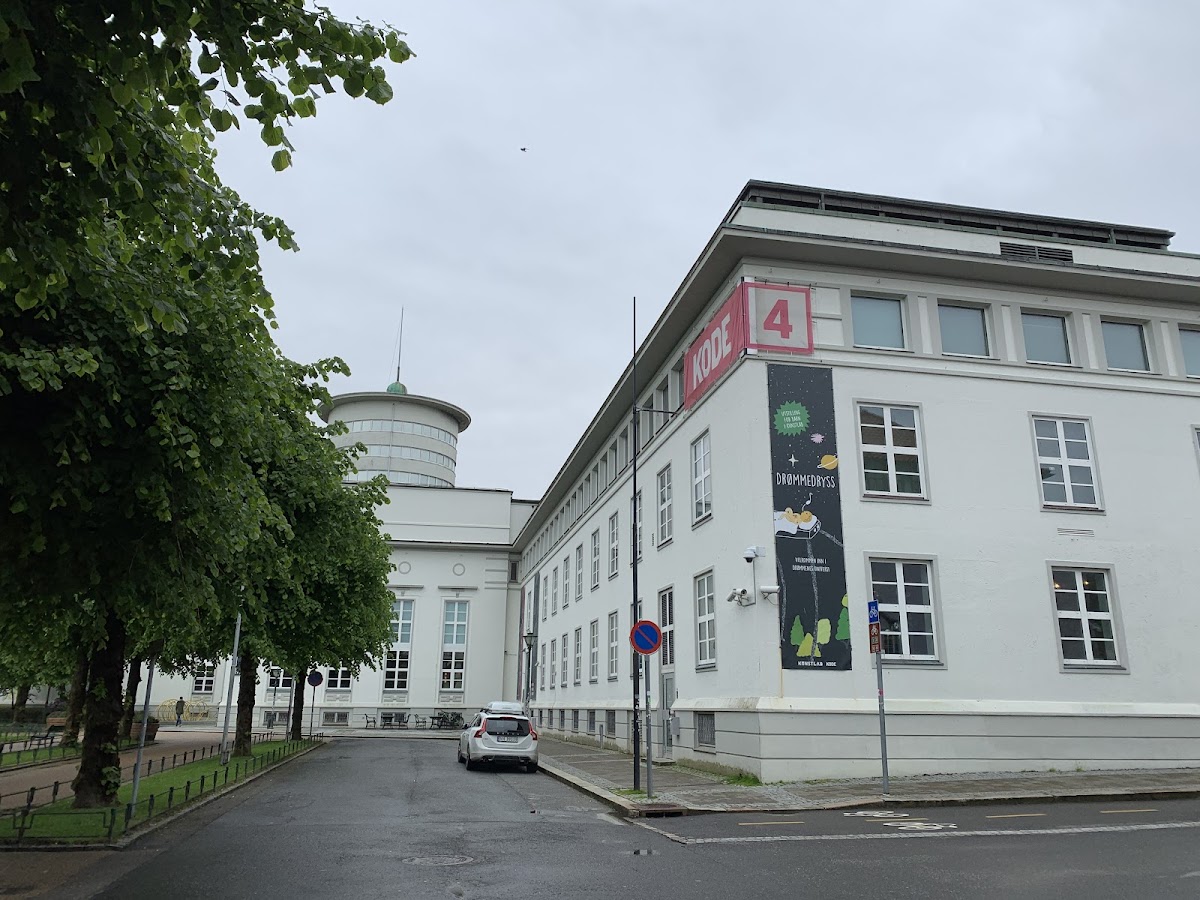
KODE 베르겐 미술관 — 노르웨이 피오르드의 도시, 뭉크와 그리그를 만나다
KODE Bergen Art Museums: Finding the Soul's Resonance in the Fjord City
Welcome to Bergen, the gateway to Norway's majestic fjords and a vibrant cultural heart in Western Norway. In this often-rainy, yet charming, port city, the serene Lille Lungegårdsvannet lake lies at its center, surrounded by four architectural marvels that together form the KODE Art Museums. KODE is more than just a museum; it is a treasure trove of Nordic art and the largest comprehensive art and design museum in Western Norway. It offers an expansive artistic journey encompassing painting, sculpture, architecture, design, crafts, and music, spanning Norway's past, present, and future.
KODE's buildings, each constructed in a different era, reflect Bergen's architectural history and invite visitors on a journey through time. From the elegant neoclassical style of KODE 1 to the contemporary flair of KODE 4, each building houses a unique collection with its own distinct character. The moment you step through the museum doors, you are enveloped by a tranquil yet mysterious Nordic atmosphere, realizing this space is more than just an exhibition hall—it's a place for deep contemplation. Under gentle lighting, works imbued with the spirits of countless artists softly glow, seemingly inviting conversation with each visitor.
The Deep World of Edvard Munch: Colors Imbued with Soul
One of the most powerful, and at the same time most poignant, collections at KODE Art Museums features the works of Edvard Munch. KODE 3, which houses the second-largest collection of Munch's masterpieces globally after the Munch Museum in Oslo, is a special space where you can fully immerse yourself in the essence of Munch's art. Munch, a master of Expressionism, profoundly influenced modern painting in the late 19th and early 20th centuries by expressing universal human emotions such as agony, anxiety, love, jealousy, and death with intense colors and distorted forms.
Here, you can come face-to-face with print versions of his famous «The Scream» series. These prints, with their distinct texture and gravity compared to canvas paintings, convey Munch's scream not as a mere outcry, but as a universal existential anxiety, even more vividly. The figure, trembling beneath a red and blue sky, visually encapsulates the chaos of European society and individual alienation of the time. Furthermore, his early portraits and profound self-portraits reveal Munch's own pain, torment, and artistic identity. The raw emotions palpable in every brushstroke and subtle shade of color seem to directly pierce the viewer's heart. This place, where you can delve deep into Munch's soul without traveling to Oslo, will offer a time of healing and reflection through art.
Where Music Comes Alive: Edvard Grieg's Troldhaugen
Another jewel of the KODE Art Museums is Troldhaugen, the picturesque hillside home and museum of Edvard Grieg, located in the scenic suburbs south of Bergen. This special branch of KODE perfectly preserves the life and musical legacy of Norway's world-renowned composer, Grieg. The path to Troldhaugen itself feels like a beautiful symphony, winding through forests, past the sea, and alongside a charming lake. Upon arrival, visitors are greeted by expansive fjord views and lush green gardens. The modest red wooden house where Grieg and his wife actually lived retains the atmosphere of a late 19th-century Nordic home, with his furniture, musical scores, and personal belongings displayed as vividly as if Grieg had just left the room.
However, the true highlight of Troldhaugen is Grieg's composing studio. This small, secluded cabin, nestled quietly on a rocky outcrop by the lake, was Grieg's sanctuary where he poured his complete inspiration. Through its windows, tranquil lake views and dense forests unfold, and it was in this setting that immortal masterpieces such as the Peer Gynt Suite and the Piano Concerto in A minor were born. Sitting here and gazing out at the view, the sounds of nature blend with Grieg's melodies, creating a unique emotional experience. Especially in summer, chamber music concerts are regularly held in front of Grieg's own piano. Hearing his music resonate from the very keys imbued with Grieg's spirit offers an indescribable thrill and a special, timeless emotion. Even after the performance ends, the lingering melody and deep resonance within your heart are a unique experience only available at Troldhaugen.
Additionally, Troldhaugen features a concert hall boasting modern architectural beauty and a cave tomb where Grieg and his wife Nina found their eternal rest, allowing visitors to perfectly trace the trajectory of Grieg's life.
Bergen: A Captivating City Where Art and Nature Harmonize
Beyond the KODE Art Museums and Troldhaugen, Bergen itself is a captivating city boasting a wealth of sights and activities. The colorful wooden buildings of Bryggen, a UNESCO World Heritage site, transport us back to the lively trading port era of the medieval Hanseatic League. Strolling through the narrow alleys, you can sense the history of past merchants' lives and enjoy finding unique Bergen souvenirs in charming shops. The Fish Market (Fisketorget), located next to the harbor, is a vibrant spectacle filled with the aroma of fresh seafood and the energy of bustling crowds. Indulge in freshly caught salmon steak or shrimp here to experience Bergen's culinary culture.
If you wish to admire the city's panorama, we recommend taking the funicular up Mount Fløyen. From the summit, you'll have a bird's-eye view of Bergen's cityscape with its densely packed red and yellow roofs, the deep blue fjords, and the mountains beyond. The scenery, especially at sunset, offers unforgettable beauty. At the top, you can enjoy short hiking trails or relax with a warm cup of coffee in a cozy café.
Practical Advice for Your Bergen Trip
Best Time to Visit: The best time for a trip to Bergen, including KODE Art Museums and Troldhaugen, is in early summer (June-August). During this period, live Grieg concerts are held at Troldhaugen, and the mild weather is ideal for enjoying fjord cruises. However, if you prefer to avoid crowds, spring (April-May) or early autumn (September-October) are also excellent choices. In autumn, the changing leaves paint the fjord landscapes with even more beautiful colors.
Transportation: Bergen city center is easily explorable on foot. KODE Art Museum's main buildings are clustered around the lake. Troldhaugen is about a 20-30 minute bus ride from the city center, and public transport is convenient. Purchasing a Bergen Card offers free or discounted admission to public transport and some museums.
Dining: Bergen is famous for its seafood. Savor fresh seafood at the Fish Market or enjoy traditional Norwegian dishes at upscale restaurants near Bryggen. Cozy cafes offer cinnamon rolls and warm coffee to refresh you after your explorations.
Accommodation: Historic hotels near Bryggen offer a quaint atmosphere, while the city center also provides a variety of modern hotels and guesthouses. Choosing accommodation with fjord views is also a wonderful option.
A 2-3 day Bergen itinerary combining the profound art experience at KODE Art Museums, a journey following Grieg's musical legacy, and a fjord cruise is the essence of a Western Norway trip and will create unforgettable memories. We encourage you to create your own soul-stirring experiences in Bergen, where art, nature, and history perfectly harmonize.
Visitor Info
| Location | 노르웨이 베르겐 (Rasmus Meyers allé 3, 5015 Bergen) |
| Opened | 2013년 (통합 리브랜딩) |
| Admission | Adult NOK 150 / Student NOK 70 / 18세 이하 Free |
| Hours | Tue-Sun 10:00~17:00 (Mon요Closed Sun / 여름 시즌 연장) |
| Getting There | 베르겐 경전철(Bybanen) ByparkenStn 하차 walk 3min |
| 추천 코스 | KODE → 브뤼겐(Bryggen) Thu조 상가 → 플뢰옌 산 케이블카 |
| 공식 사이트 | https://www.kfrberome.no |
