핀란드 국립박물관 — 헬싱키, 바이킹부터 독립까지 핀란드 1만 년
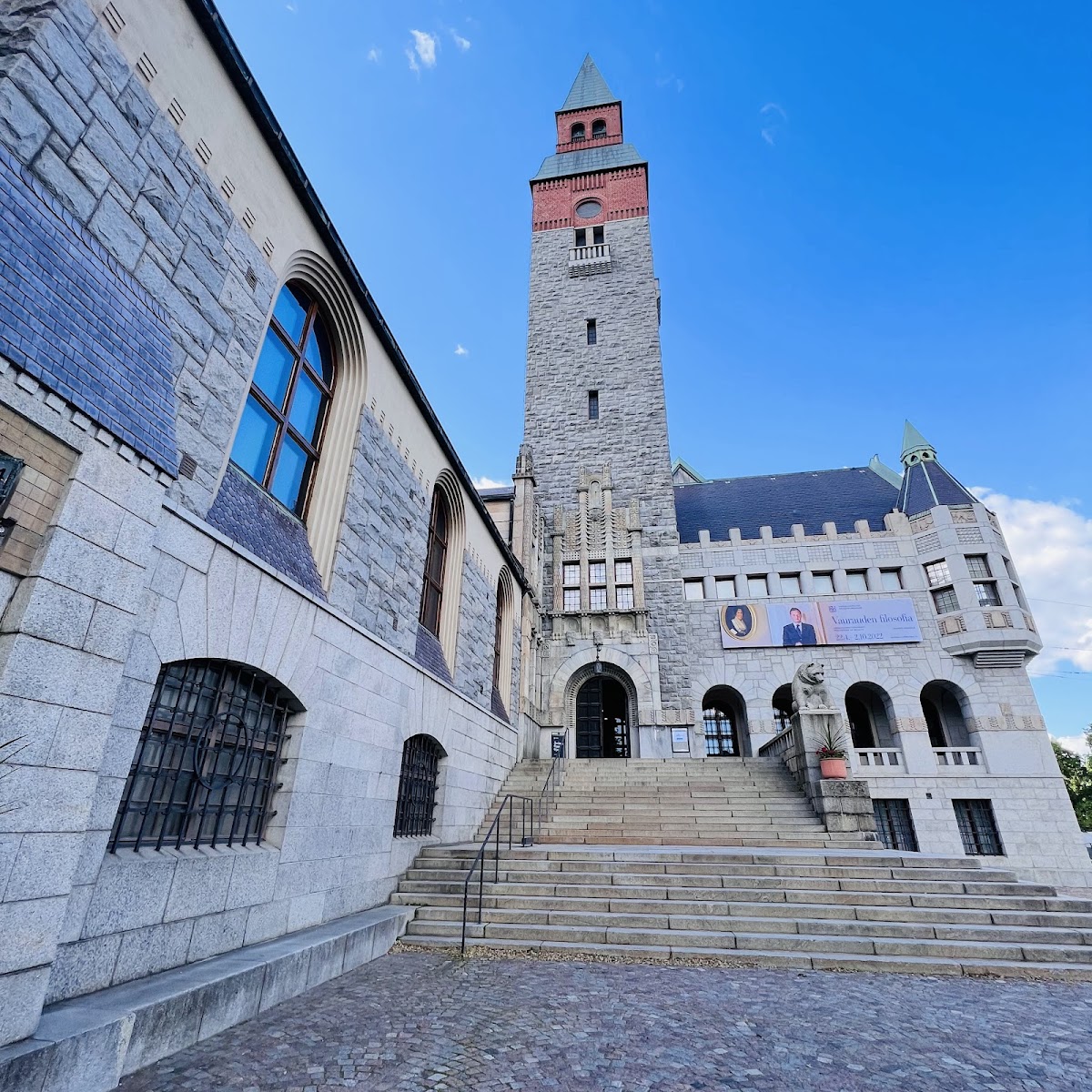
In the heart of Helsinki, walking along Mannerheimintie, your gaze will be captivated by a majestic stone building standing with quiet dignity and grandeur. This is the National Museum of Finland (Suomen kansallismuseo), completed in 1910 in the 'National Romantic' style, embodying the very spirit of the Finnish nation. Crafted by architects Herman Gesellius, Armas Lindgren, and Eliel Saarinen, this building is not merely a museum but an architectural masterpiece that heralds the beginning of a grand epic encompassing 10,000 years of Finnish history and culture. Its grey granite exterior and dark green roof evoke the rugged nature of the Nordic landscape, and the moment you step inside, you are enveloped by a mystical sensation, as if traversing back through the currents of time. From Finland's frozen Ice Age to the valiant spirit of the Vikings, through the eras of Swedish and Russian rule to the eventual achievement of independence, this place is a vital repository of cultural heritage where you can experience with all your senses how the tenacious vitality and unique identity of the Finnish people were forged.
Echoes of Prehistory and Vikings: History Born from the Land of Ice and Rock
The museum's journey begins after the Ice Age, around 8500 BC, when humans first set foot on Finnish soil. Following the traces of life that bloomed in the wake of receding ice, one can feel the resilience of early settlers who carved out a living using stone and bone in the harsh Nordic environment. Their sharp stone tools, shell ornaments, and bone crafts simultaneously showcase their ingenuity for survival and their aesthetic sensibilities. Subsequent exhibitions on the Bronze and Iron Ages reveal the technological advancements of ancient Finns through increasingly sophisticated weapons and daily implements. The Viking Age section, from 800 to 1050 AD, which dominated the entire Nordic region, offers an overwhelming sense of immersion. Sharp swords, shield fragments, and parts of Viking ships that navigated the continents through rough waves seem to tell tales of legendary heroes amidst the sound of the fierce North Sea winds. Amongst the artifacts filling the dimly lit exhibition halls, the shouts of Viking warriors and the creaking of ships seem to echo as if in a hallucination. Here, we don't just see artifacts; we feel the wonder of human civilization born from the frozen lands of the Arctic with our entire being.
Intersection of Faith and Art: Re-encountering the Breath of Medieval Churches
Following the current of history into the Middle Ages, traces of the period when Christianity spread under Swedish rule in Finland unfold before your eyes. Among these, the most wondrous experience is the exhibition featuring life-size, perfectly recreated medieval Finnish church frescoes. Approximately 600 years ago, fragments of frescoes that adorned the interiors of Finnish churches have been meticulously restored to their original positions through the museum's sophisticated techniques, forming a grand panorama. Illuminated by subtle lighting in a dim space, the glowing frescoes vividly convey biblical scenes and stories of saints, offering a glimpse into the deep faith and artistic passion of medieval Finns. The expressions of the figures in the frescoes, the delicate folds of their garments, and the vibrant colors eloquently speak of the craftsmanship of the era, providing an experience as moving as walking through the serene, solemn corridors of a medieval church, transcending time and space. These frescoes were not just paintings; they served as crucial visual mediums for inspiring faith and disseminating doctrine in an era of widespread illiteracy. Each fragment of the fresco holds traces of the Finnish spiritual world and interactions with European culture, inviting deep contemplation.
The Soul of the Arctic, Sámi Life: Wisdom in Harmony with Nature
One of the most essential parts of the museum is the section dedicated to the culture of the Sámi people, the indigenous inhabitants of the Lapland region in northern Finland. Upon entering, you might feel as if the cold air of the Arctic penetrates deep into your lungs. For thousands of years, the Sámi have lived a reindeer herding life, developing their own unique language, traditional attire, and beliefs, making them an ancient and profound Nordic people. The exhibition displays colorful yet practical traditional garments called 'Gákti' made from reindeer hide, intricately embroidered hats, and sturdy sleds and equipment for enduring harsh winters. Especially notable are the shamanistic ritual tools imbued with spiritual meaning and the drums used for communicating with the spiritual world, offering a glimpse into the deep spiritual realm of the Sámi. The museum showcases that the Sámi way of life is not merely a relic of the past, but an ongoing effort to preserve and transmit their culture in their unique way, emphasizing harmony with nature even amidst a rapidly changing modern society. Here, we realize that the identity of Finland as a nation is not formed by a single ethnicity, but by the fusion of Sámi's unique culture, the complex influences of Sweden and Russia, and the history of a tenacious independence movement.
Imperialism and the Desire for Independence: A Portrait of Modern Finland
The period when Finland became a Grand Duchy of the Russian Empire after Swedish rule ended was a crucial turning point in the formation of Finnish identity. The museum illustrates the political and social changes of this era through various artifacts. Portraits of Russian emperors, uniforms of the Finnish army, and documents and artworks reflecting the nationalist movement vividly testify to how Finns nurtured their dream of independence even under imperial oppression. Notably, the museum building itself, constructed in the early 20th century when Finnish national consciousness was at its peak, is a masterpiece of 'National Romanticism,' symbolizing a strong desire to establish a unique Finnish cultural identity, free from Russian influence. Exhibitions leading from independence in 1917 to modern Finland showcase the dynamic aspects of Finland, which overcame the tragedy of world wars to achieve today's prosperity. You can understand the background behind how Finland's unique cultural assets, such as Sibelius's music, Alvar Aalto's designs, and sauna culture, became globally recognized icons.
A New Beginning, the Charm of Interactive Exhibitions: A Bridge Connecting Past and Future
The National Museum of Finland underwent extensive remodeling from 2019 to 2023, acquiring an even more contemporary look. State-of-the-art interactive exhibitions offer visitors the opportunity to experience historical events and artifacts more vividly. Exploring historical events via touchscreens and examining detailed information about artifacts using augmented reality (AR) technology provides a new museum experience for the digital age. Especially popular is 'The Workshop,' an experiential zone for children, designed to allow them to become archaeologists themselves, excavating and assembling artifacts in sand, learning history through play. The curious eyes and lively laughter of young visitors add vibrancy to the museum. In this way, the National Museum of Finland is not just a space for preserving the past; it is a continuously evolving, living educational venue that inspires future generations and allows for the exploration of Finland's national identity in diverse ways.
Practical Advice for Visiting the National Museum of Finland
Optimal Visiting Time: The National Museum of Finland is a great place to visit year-round, but you can create even more special memories if you visit during the summer (June-August) to experience Helsinki's midnight sun, or during the snowy winter months (December-February). If you wish to avoid crowds, we recommend visiting on weekday mornings.
Transportation and Accessibility: The museum is conveniently located about a 10-minute walk from Helsinki Central Station, making it highly accessible. If using a tram or bus, you can alight at the stop directly in front of the museum. If you have a Helsinki Card, you can enjoy benefits such as discounts on public transportation and admission fees, so consider getting one.
Nearby Dining and Amenities: Inside the museum, there's a cozy cafe and a gift shop, perfect for a short break while browsing Finnish design products. Various restaurants and cafes are concentrated around the museum. We especially recommend seeking out places where you can taste traditional Finnish dishes like creamy salmon soup (Lohikeitto) or Karelian pies (Karjalanpiirakka). Additionally, across the street is Kiasma, a contemporary art museum, and a short walk further will lead you to the unique Temppeliaukio Church (Rock Church) and the Sibelius Monument, which you can visit together to complete a rich cultural tour of Helsinki.
Visitor Info
| Location | 핀란드 헬싱키 (Mannerheimintie 34, 00100 Helsinki) |
| Opened | 1916년 |
| Admission | Adult €14 / Student €7 / 18세 이하 Free |
| Hours | Tue-Sun 11:00~18:00, Wed 11:00~20:00 (Mon요Closed Sun) |
| Getting There | 헬싱키 트램 4·10번 Kansallismuseo Stop / 헬싱키 중앙Stn walk 10min |
| Highlights | 중세 교회 벽Tue 재현 / 사미족 문Tue 섹션 / 독립전쟁·내전 Stn사 |
| 공식 사이트 | https://www.kansallismuseo.fi |
