오덴세, 안데르센의 도시에서 만나는 세계 사진예술
오덴세, 안데르센의 도시에서 만나는 세계 사진예술
Brandts Museum of Photographic Art: Odense's Lens on the World
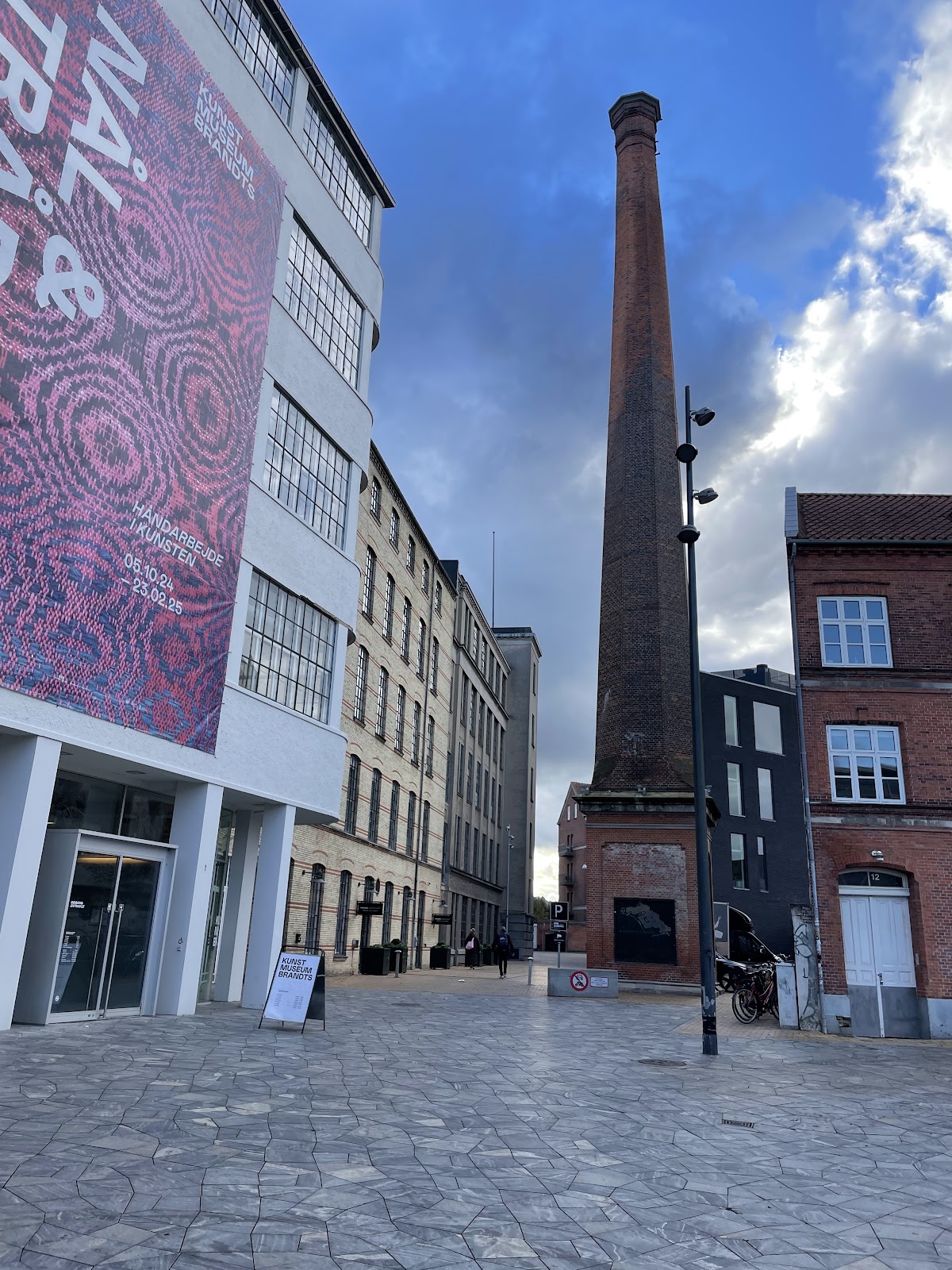
Located at Amfipladsen 11, 5000 Odense C, Denmark, the Brandts Museum of Photographic Art stands as a prominent cultural institution in the heart of Hans Christian Andersen's hometown. A mere 10-minute walk west from Odense Central Station, the museum is housed within a grand red-brick complex that was once the Brandts Klædefabrik, a textile factory dating back to the late 19th century.
This repurposed industrial site now serves as a vibrant cultural hub, encompassing not only the Museum of Photographic Art but also the Brandts Museum (for contemporary art), the Danish Museum of Printing, a cinema, various shops, cafes, and restaurants. The architectural transformation preserves the robust character of the old factory while integrating modern exhibition spaces, creating a unique dialogue between past and present.
From Textile Factory to Cultural Complex: A Century of Transformation
The building's history as the Brandts Klædefabrik dates to the late 19th century, a period when Odense was a significant center for the textile industry. This massive factory, with its red-brick facade and sturdy steel framework, was a bustling industrial site for nearly a century. After its operational decline in the late 20th century, the city of Odense initiated a visionary project to preserve and revitalize this industrial heritage.
The extensive renovation in the mid-1980s transformed the factory into a dynamic cultural complex. The Brandts Museum, which opened in 1988, initially encompassed various visual arts, including photography. Over time, the focus on photography led to the establishment of the dedicated Brandts Museum of Photographic Art, solidifying its role as a leading institution in Danish photography.
A Leading Institution for Photographic Art
Brandts Museum of Photographic Art is Denmark's foremost institution dedicated to the exhibition and preservation of photography. Its collection spans historical and contemporary photographic practices, showcasing significant works that encourage critical engagement with the medium. The museum's dynamic exhibition program promotes photographic art both domestically and internationally, presenting diverse perspectives on societal and cultural issues.
The museum's architecture is a striking blend of its industrial past and modern design. High ceilings, expansive windows, and exposed structural elements create an atmospheric backdrop for the artworks. Natural light floods the exhibition spaces, enhancing the viewing experience. The flexible layout allows for a wide range of photographic displays, from documentary to experimental works, inviting visitors to explore the power of the photographic lens.
Collections and Exhibitions: Reflecting Eras, Posing Questions
The museum's collection and exhibitions delve into the profound ability of photography to document history, question society, and explore the human condition. It features a broad spectrum of works, from the sharp gaze of documentary photography to the abstract expressions of contemporary art. Exhibitions frequently address pressing social issues, presenting powerful narratives through the eyes of photographers.
These curated displays encourage visitors to reflect on various themes, such as human resilience, environmental impact, and societal change. The museum serves not only as a venue for visual pleasure but also as an educational platform, fostering a critical understanding of the world through the art of photography. The journey through its galleries is a journey through time and perspective, highlighting photography's enduring value.
Visitor Information: Planning Your Visit
Location: Amfipladsen 11, 5000 Odense C, Denmark. Easily accessible in the city center.
Transport: Approximately a 10-minute walk from Odense Central Station (Odense St.). Public buses and bicycle routes are also convenient. Public parking is available nearby.
Operating Hours: Closed on Mondays. Tuesday to Wednesday: 10:00 AM - 5:00 PM. Thursday: 10:00 AM - 8:00 PM. Friday: 10:00 AM - 5:00 PM. Saturday: 10:00 AM - 6:00 PM. Sunday: 10:00 AM - 5:00 PM. Please check the official website for any changes due to public holidays or special events.
Admission: Adult tickets are DKK 80. Student tickets are DKK 70, and visitors under 18 enter free. Prices may vary for special exhibitions, and combined tickets for other museums within the Brandts Klædefabrik complex might be available. It is recommended to check the official website for the most current information.
Recommended Itinerary: Consider visiting the H.C. Andersen Museum (designed by Tadao Ando), then Brandts Museum of Photographic Art, followed by Odense Cathedral and Andersen's Birthplace. The Brandts Klædefabrik complex offers various dining and relaxation options.
Official Website: For more details, visit https://brandts.dk.
Visitor Info
| Location | Translating |
| Opened | Translating |
| Admission | Translating |
| Hours | Translating |
| Getting There | Translating |
| Translating | Translating |
| Official Site | https://brandts.dk |