아이슬란드 남근 박물관 — 레이캬비크, 세계 유일의 이색 자연사 박물관
Anatomy of Wonder: A Phallological Expedition in Reykjavík
Greetings, fellow wanderers! As a travel writer perpetually chasing the unusual and the unforgettable, my journeys have led me to countless museums, each promising a glimpse into a unique facet of human history, art, or science. Yet, none have quite prepared me for the delightful, thought-provoking, and utterly singular experience awaiting in the heart of Reykjavík: the Icelandic Phallological Museum. The name alone, I confess, conjured a mix of bewildered amusement and genuine curiosity. Was it a joke? A novelty? Or something more profound hidden beneath its cheeky exterior?
Stepping off a quiet street in Iceland's vibrant capital, the museum's unassuming façade gave little away. My initial expectation, I admit, was of something perhaps a little raucous, a touch sensationalist. What I found instead, upon entering, was an atmosphere of quiet, almost academic reverence. The air hummed not with giggles, but with the hushed murmurs of genuine interest, a feeling akin to entering a well-curated natural history exhibit, albeit one dedicated to a very specific and often taboo subject. It was clear from the outset that this was no mere curiosity shop, but a serious scientific endeavor cloaked in an audacious concept.
The collection itself is breathtaking in its scope and detail. Displayed with meticulous care, row upon row of glass cases lined the walls, each containing a preserved specimen of male genitalia from virtually every mammal found in Iceland and beyond. From the minuscule, almost microscopic phallus of a hamster to the truly gargantuan organ of a sperm whale, preserved in a vast tank that dominates one section, the sheer diversity is astounding. I found myself captivated by the intricate structures, the varying sizes, and the surprisingly beautiful forms that evolution has sculpted. There were specimens from seals, polar bears, reindeer, and even an elephant. Each came with detailed scientific labels, offering insights into the species, the anatomy, and the unique challenges of preservation. The dedication of its founder, Sigurður Hjartarson, and later his son, Hjörtur Gísli Sigurðsson, to building such a comprehensive collection, driven by a simple boyhood fascination, is a testament to an extraordinary passion for natural history.
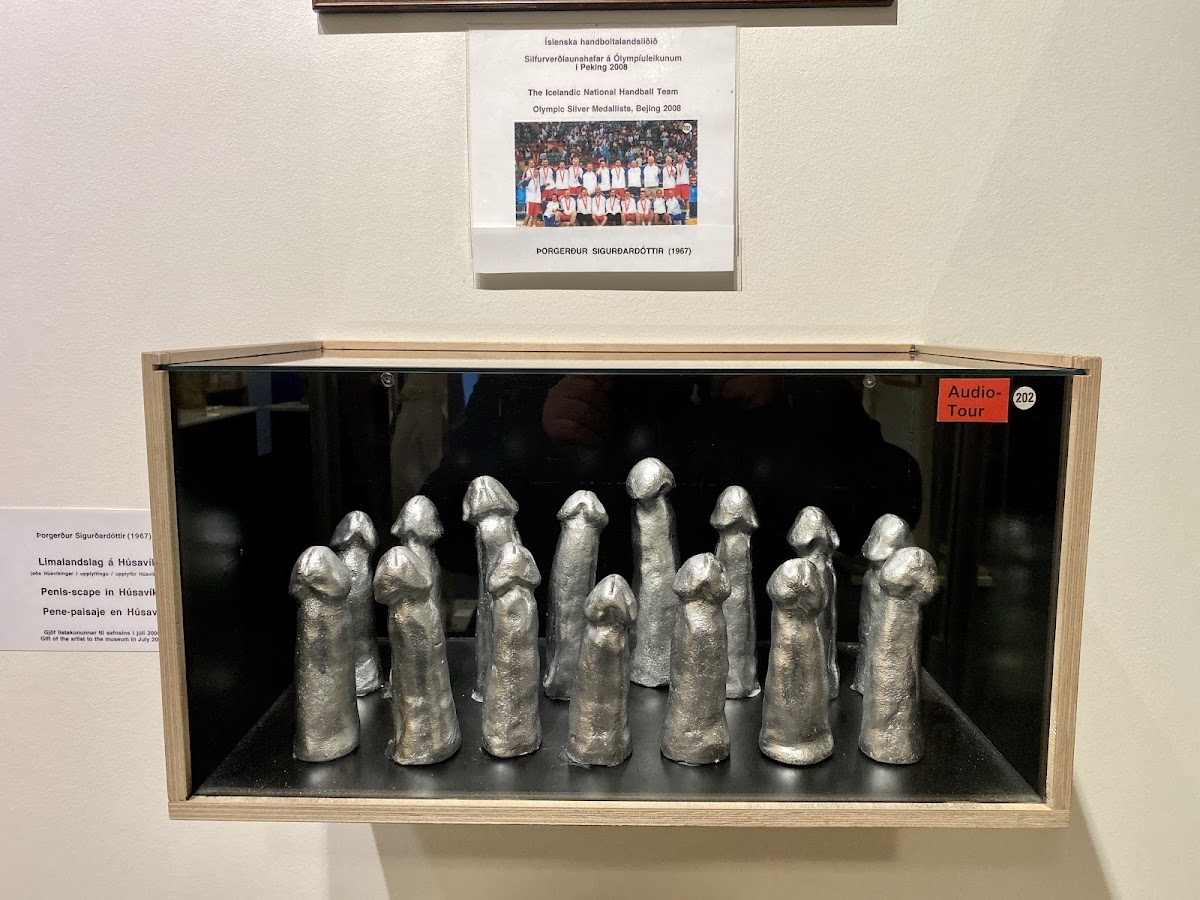
One cannot help but reflect on the cultural implications, too. What is considered taboo in one society is here presented with an open, educational spirit. The museum subtly challenges our preconceptions about what is appropriate for public display, gently nudging us to view biology without embarrassment. There's a fascinating section dedicated to folklore and artistic interpretations, including quirky artifacts and humorous takes on the subject, which adds another layer to the experience. And, of course, the museum's prize exhibit: the elusive human penis. While the initial specimen was donated posthumously by a well-known Icelander, the museum continues to receive pledges, highlighting a unique intersection of scientific contribution and personal legacy.
My visit was an unexpectedly profound journey into natural history, a lesson in anatomical diversity, and a powerful reminder that wonder can be found in the most unconventional of places. It's a place that sparks conversation, broadens perspectives, and, yes, elicits a few chuckles along the way. Far from being merely a novelty, the Icelandic Phallological Museum stands as a compelling testament to the boundless curiosity of the human spirit and the astonishing variety of life on Earth. It’s an essential stop for anyone seeking a truly unique Icelandic cultural experience, one that will undoubtedly become a memorable highlight of their travels.
Practical Tips for Your Phallological Journey
Embarking on this unique expedition requires a little preparation. The Icelandic Phallological Museum is conveniently located in the heart of Reykjavík, easily accessible by foot from most downtown accommodations. You'll find it at Kalkofnsvegur 2, 101 Reykjavík. Opening hours generally run from mid-morning to late afternoon, though it's always wise to consult their official website for the most current schedule, especially during different seasons or holidays. Admission is charged, and tickets can be purchased at the entrance; again, current prices are best verified online. I recommend allocating at least an hour, perhaps an hour and a half, to fully appreciate the extensive collection and absorb the fascinating information accompanying each exhibit. To avoid potential crowds, consider visiting earlier in the morning or later in the afternoon. Don't forget to browse the wonderfully quirky gift shop on your way out – it offers a range of unique souvenirs that are guaranteed to spark conversation back home. Most importantly, arrive with an open mind and a sense of humor; you're in for an experience unlike any other!
Visitor Info
| Location | 아이슬란드 레이캬비크 (Kalkofnsvegur 2, 101 Reykjavík) |
| Opened | 1997년 |
| Admission | Adult ISK 1,750 / 13세 이하 Free |
| Hours | 10:00~18:00 (연중무휴) |
| Getting There | 레이캬비크 city center walk권 / 할그림스키르캬 교회 from walk 10min |
| 추천 | 뮤지엄 숍의 이색 기념품은 아이슬란드 최고의 선물감 |
| 공식 사이트 | https://phallus.is |
