텍사스, 미국 남부 최대의 백과사전적 미술관
텍사스, 미국 남부 최대의 백과사전적 미술관
Houston's Museum District: A Cultural Hub in Southern Texas
The Museum District in Houston, Texas, is a vibrant cultural center located southwest of the city. It encompasses 20 museums, galleries, and cultural institutions within a 1.5-mile radius. Key institutions include the Museum of Fine Arts, Houston (MFAH), the Contemporary Arts Museum Houston (CAMH), and the Menil Collection. These three major museums are within walking distance of each other, each offering distinct artistic visions and collections.
The MFAH and CAMH are approximately a 5-minute walk from the METRORail Red Line's Museum District station, while the Menil Collection is about a 10-minute walk. The district's proximity to Montrose provides visitors with a rich selection of dining and shopping options, making it a comprehensive destination for art, culture, and leisure.
The Museum of Fine Arts, Houston: An Expansive Campus of Art and Architecture
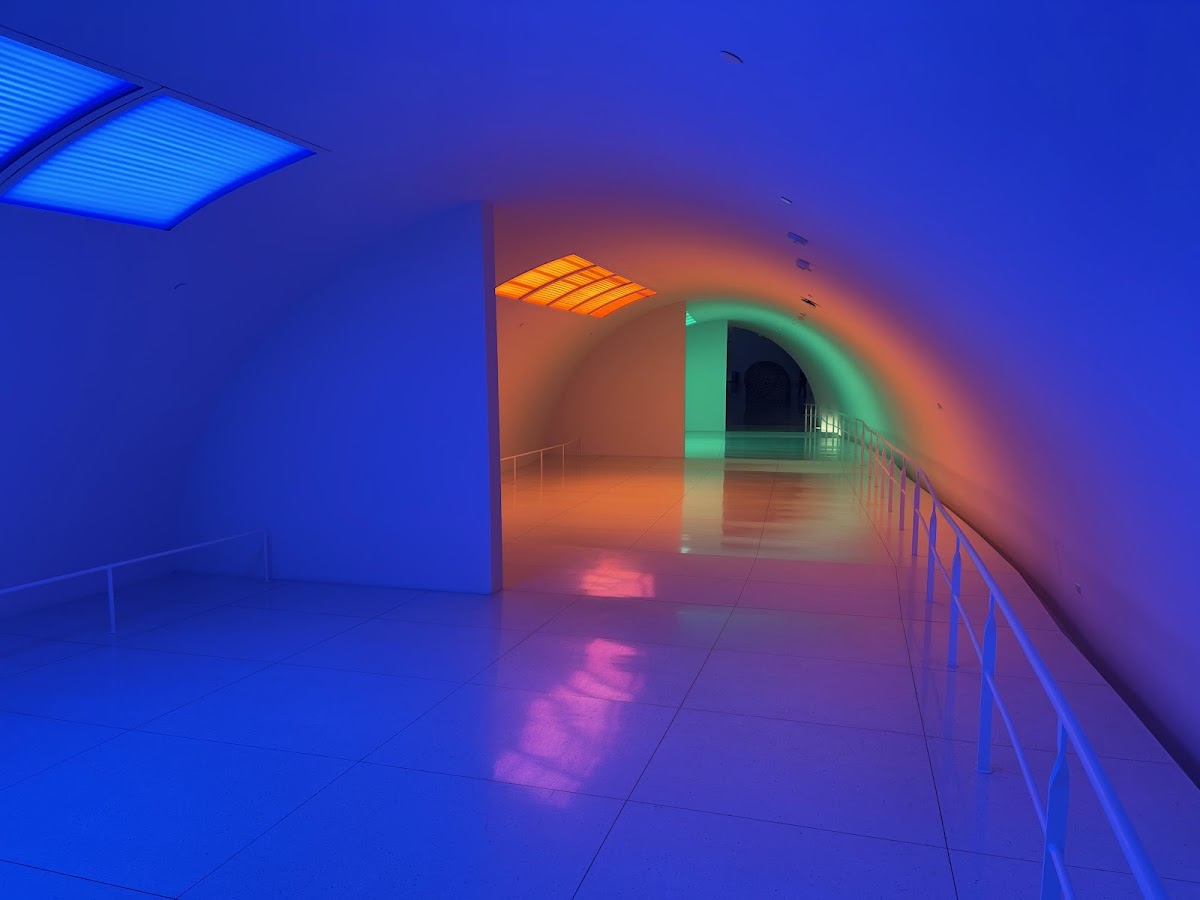
Located at 1001 Bissonnet St, Houston, TX 77005, the Museum of Fine Arts, Houston (MFAH) operates as an expansive campus. It integrates multiple buildings and outdoor spaces, connected by subterranean tunnels and outdoor pathways. The campus features the Caroline Wiess Law Building, the Audrey Jones Beck Building, and the Nancy and Rich Kinder Building, alongside the Glassell School of Art and the Cullen Sculpture Garden.
Established in 1900, MFAH is one of Texas's oldest museums. Its architectural evolution includes contributions from renowned architects like Philip Johnson (Law Building expansion), Rafael Moneo (Beck Building), and Sir David Adjaye (Kinder Building). This architectural diversity reflects the museum's encyclopedic collection of over 70,000 works, spanning 6,000 years of art history from ancient civilizations to contemporary art.
Collection Highlights and Architectural Diversity at MFAH
The MFAH collection is particularly strong in European painting, American art, Asian and African art, and Latin American art. Visitors can explore masterpieces from Renaissance masters, Impressionists, Post-Impressionists, and contemporary abstract artists. The Law Building houses ancient artifacts and early European works, while the Beck Building showcases Impressionist and modern European art. The newest addition, the Kinder Building, is dedicated to modern and contemporary art, photography, and video art, designed by Sir David Adjaye with a focus on natural light and open spaces.
Beyond its exhibition halls, the MFAH campus offers the Glassell School of Art, a center for art education, and the Cullen Sculpture Garden, an outdoor space featuring modern sculptures amidst lush greenery, open to the public for free. The museum's design facilitates a seamless flow between different eras and styles, offering a comprehensive art historical journey.
Contemporary Arts Museum Houston: A Hub for Modern Expressions
The Contemporary Arts Museum Houston (CAMH), situated at 5216 Montrose Blvd, Houston, TX 77006, is a striking hexagonal building clad in polished stainless steel. Designed by Gunnar Birkerts and opened in 1972, its unique exterior makes it a landmark within the Museum District. CAMH is dedicated to presenting challenging and experimental contemporary art, operating exclusively through temporary exhibitions rather than a permanent collection.
This approach ensures a fresh and dynamic experience with each visit, showcasing a diverse range of artists and mediums. CAMH plays a vital role in the regional and national art scene by supporting emerging and established artists and fostering critical dialogue within the Houston community. Admission to all exhibitions at CAMH is free.
The Menil Collection: A Personal Vision of Art and Life
The Menil Collection, located at 1516 Branard St, Houston, TX 77006, offers a serene and contemplative experience within a peaceful residential area. Founded by collectors John and Dominique de Menil, the museum reflects their lifelong passion and belief that art should be accessible to all. The main building, designed by Renzo Piano and completed in 1987, is celebrated for its open structure and innovative use of natural light, creating an intimate viewing environment.
The collection is eclectic and deeply personal, with significant holdings in Surrealism, tribal art from Africa and Oceania, and Byzantine icons. It transcends traditional art historical categories, emphasizing works that explore fundamental human questions across cultures and eras. The Menil Collection, including its surrounding satellite galleries like the Cy Twombly Gallery and the Dan Flavin Installation, offers free admission to all its exhibitions, embodying the founders' commitment to public access to art.
Visitor Information for Houston's Museum District
The proximity of these three major museums in Houston's Museum District allows for convenient exploration on foot. Visitors are encouraged to check specific operating hours and admission fees for each institution to plan their visit effectively.
- Museum of Fine Arts, Houston (MFAH)
- Admission: Adults $25, Students $16, Under 12 free. General collection admission is free on Thursdays. Special exhibitions may have additional fees.
- Hours: Tue-Wed 11:00-17:00, Thu 11:00-21:00, Fri-Sat 11:00-18:00, Sun 12:30-17:00. Closed Mondays.
- Transportation: METRORail Red Line Museum District station, approx. 5-min walk. Paid parking available.
- Contemporary Arts Museum Houston (CAMH)
- Admission: Free for all exhibitions.
- Hours: Closed Mon-Tue, Wed 11:00-18:00, Thu 11:00-21:00, Fri-Sun 11:00-18:00.
- Transportation: METRORail Red Line Museum District station, approx. 5-min walk. Paid parking nearby.
- The Menil Collection
- Admission: Free for all exhibitions, including the Rothko Chapel.
- Hours: Closed Mon-Tue, Wed-Sun 11:00-19:00.
- Transportation: METRORail Red Line Museum District station, approx. 10-min walk. Free street parking available, but can be crowded on weekends.
Visitor Info
| Location | Translating |
| Opened | Translating |
| Admission | Translating |
| Hours | Translating |
| Getting There | Translating |
| Highlights | Translating |
| Official Site | https://www.mfah.org |