뉴멕시코 미술관 — 산타페, 어도비 건축 속 미국 남서부 예술의 뿌리
New Mexico Museum of Art: Santa Fe, The Soul of Southwestern American Art Amidst Adobe Architecture
Situated at an elevation of 2,100 meters, Santa Fe, New Mexico, is not merely the oldest state capital in the United States; it is a magical city where time and space intertwine. The moment one steps foot here, they are captivated by the dry yet crisp desert air that brushes past, and the serene vista of earth-toned architectural wonders stretching before their eyes. The symphony of colors—from the red earth and blue sky to the intense sunlight—instinctively reveals why artists have been so deeply drawn to this place. Standing majestically beside the city's central Plaza, the New Mexico Museum of Art (NMMA) is a living testament to history and a treasure trove of art, embodying the very soul of Santa Fe.
Time Etched in Adobe Bricks: The Breath of Architecture and History
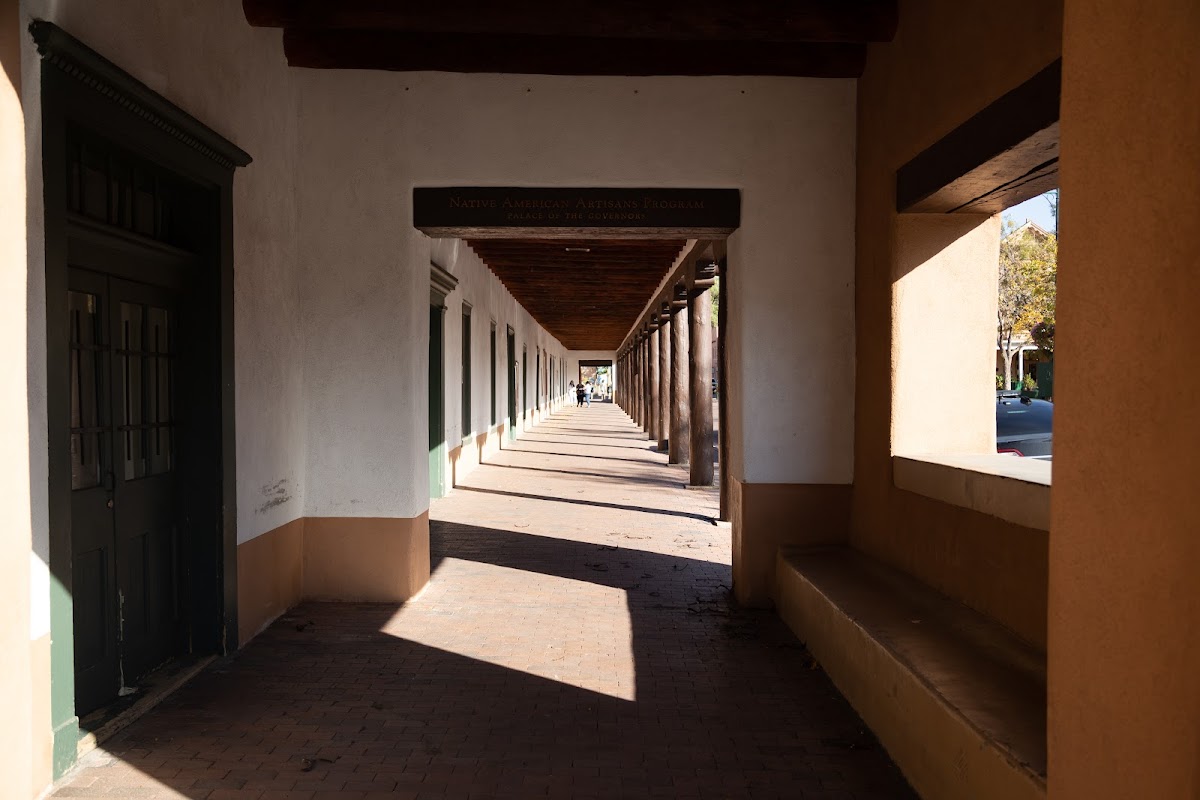
Opened in 1917, the New Mexico Museum of Art transcends its title as the first public art museum in the American Southwest; it is, in itself, a grand work of art. The museum building is hailed as a masterpiece of the 'Pueblo Revival' style, a modern reinterpretation of traditional 15th-century Native American architecture. Its weighty yet warm, earth-toned adobe bricks harmonize perfectly with the surrounding environment, presenting a solid yet humble beauty that appears to have sprung from the very earth. The rough texture of the walls feels as though it retains the sun's warmth when touched, and the thick adobe walls consistently maintain a comfortable coolness within.
Upon entering, one's gaze is drawn to the thick wooden beams, or 'vigas,' that support the ceiling, and the finely arranged smaller branches, or 'latillas,' laid atop them. These elements faithfully reproduce the architectural techniques used by Pueblo Native Americans for centuries, maximizing the structural aesthetics of the building beyond mere decoration. The scent of wood and the distinctive aroma of adobe subtly fill the space, and the light streaming through small, deep windows constantly shifts, casting dramatic shadows within the interior. These architectural features allow visitors to experience not just a building, but a sense of timeless tranquility and primeval beauty simultaneously. Throughout one's stroll through the museum, an awe-inspiring realization settles that each and every brick holds layers of Santa Fe's history and artistic passion.
Georgia O'Keeffe's Gaze: Modernism Bloomed in the Desert
One cannot discuss the New Mexico Museum of Art's collection without mentioning Georgia O'Keeffe. Captivated by New Mexico's stark yet powerful landscapes, she first set foot here in 1929, subsequently spending a significant portion of her life intimately connected to this land, forging her own distinct artistic world. O'Keeffe's works do not merely reproduce landscapes; they dissect and reconfigure the essence of New Mexico, deeply penetrating the viewer's inner self.
Her canvases capture the vastness of the red, arid desert, the metaphysical beauty of animal bones bleached by wind and sun, and the delicate curves and vitality of flower petals observed through an magnified lens. In her bone paintings, she expresses the cycle of death and life, while in her flower paintings, she conveys the hidden energy of nature through sensual forms and intense colors. O'Keeffe pioneered a new horizon for American Modernism by delving into the essence of her subjects and compressing them into color and form. Encountering her works in the museum evokes a powerful impression, as if simultaneously feeling the hot Santa Fe sun and the chill of its quiet desert nights. Should you visit both the New Mexico Museum of Art and the nearby Georgia O'Keeffe Museum, you will fully grasp the depth of artistic inspiration she discovered and created in this land.
The Roots of Native American Art: A Harmony of Tradition and Modernity
Another crucial pillar of the New Mexico Museum of Art is the indigenous culture and art of this land. The rich artistic heritage of various Native American communities, including the Navajo, Pueblo, and Hopi tribes, vividly comes alive within this museum. Here, one can glimpse their craftsmanship and aesthetic sensibilities, preserved over thousands of years.
Jewelry crafted from Turquoise and silver transcends mere accessories, embodying the Native Americans' worldview and spiritual meanings. The enigmatic hue of turquoise symbolizes the desert sky and the verdant earth, while silver harmonizes with the power of nature. Meticulously crafted rings, necklaces, and bracelets are jewels condensed with centuries-old techniques and stories. Furthermore, Pueblo tribal pottery is a masterpiece forged from the art of earth, water, and fire. Jars and plates made with each tribe's unique patterns and forms hold sacred significance beyond simple domestic use, containing the very breath of the earth.
Navajo textiles are renowned for their geometric patterns and strong color contrasts. Woven within the sturdy fabric created by intertwining warp and weft are the Navajo people's lives, beliefs, and reverence for nature. Hand-woven textiles evoke admiration for their patience and artistic passion. The Hopi tribe's Kachina dolls represent spiritual beings, used in sacred ceremonies, symbolizing communal faith. Each doll possesses a unique appearance and meaning, visually embodying the rich myths and legends of the Native Americans.
This museum not only showcases ancient artifacts but also exhibits contemporary works by modern Native American artists. These pieces, which inherit tradition while reinterpreting it with a contemporary sensibility, demonstrate that Native American art is not confined to the past but is a living, ongoing art form. Through their works, we are reminded of universal values such as connection with nature, the importance of community, and the wisdom of life.
Santa Fe, The City of Art: Strolling for Inspiration
Stepping out of the New Mexico Museum of Art and walking the streets of Santa Fe is an art experience in itself. Santa Fe boasts the highest concentration of galleries per capita in the U.S., with over 250 galleries scattered throughout the city. Among them, Canyon Road is an absolute must-visit art sanctuary. Along its winding, narrow path, diverse galleries and studios are nestled amidst earth-toned adobe buildings. Each open door feels like stepping into a new, exciting world.
From ancient Native American art to contemporary abstract paintings, Western art, sculptures, and photography, works of every genre whisper their unique stories. As you stroll, admiring the sculptures and murals placed throughout the street, your steps naturally slow, and your mind finds peace. Cozy cafes dotted along the way, wafting with the aroma of rich coffee, offer perfect spots to pause and reflect on artistic inspirations. Meeting artists directly and discussing their works can also be a special experience here.
Art does not confine itself solely within galleries. The Santa Fe Opera, located on the outskirts of Santa Fe, offers a unique experience of enjoying opera against the backdrop of the vast desert landscape. Opera arias echoing under a starlit night sky as the sunset paints the horizon will provide an unforgettable emotional experience. Furthermore, the Bandelier National Monument, a treasure trove of nature and history, allows visitors to explore ancient Pueblo cliff dwellings and Kiva ruins, simultaneously feeling the grandeur of nature and the wisdom of ancestors. All these experiences combined, a deep 3-4 day journey through Santa Fe will allow you to savor the true essence of Southwestern American art, nature, and culture.
Practical Tips for Your Santa Fe Journey
Santa Fe is charming year-round, but the best time to visit is during spring (April-May) and fall (September-October), when the weather is pleasant and various festivals take place. Notably, September hosts the world-renowned Santa Fe Indian Market, where you can encounter the pinnacle of Native American art, and historical festivals like Fiesta de Santa Fe invigorate the city. Summer (July-August) can be warm, but the dry climate keeps discomfort low, and evenings are cool, making them enjoyable for outdoor activities. Winter (November-March) presents another romantic scene with snow-covered adobe buildings.
When visiting museums, it's advisable to check their operating hours and admission fees in advance, and allocate ample time for a leisurely visit. While the New Mexico Museum of Art is relatively small, it houses many delicate works, so planning at least 2 hours is recommended. Downtown Santa Fe is very convenient for walking, with major attractions clustered together. Exploring Canyon Road and the gallery district on foot is the best way to soak in the atmosphere. However, if you plan to visit outlying areas like Bandelier National Monument or the Santa Fe Opera, renting a car would be more convenient.
One of the joys of travel is, of course, gastronomy. Santa Fe is the birthplace of New Mexico Cuisine, a fusion of Mexican and Southwestern American dishes. The most famous ingredient is undoubtedly chile, and you absolutely must try the various dishes using Green Chile and Red Chile. Enchiladas, Tacos, Burritos, and Chile Rellenos generously filled with chile will offer an unforgettable experience with their spicy yet deep flavors. Especially popular for breakfast, the 'Christmas Style' allows you to taste both Green Chile and Red Chile sauces simultaneously, beloved by locals. For accommodation, we recommend choosing traditional adobe-style boutique hotels or cozy B&Bs to immerse yourself deeper in Santa Fe's atmosphere. Lodgings that embody the city's unique charm will, in themselves, become cherished memories.
Santa Fe, A Journey for the Soul
Santa Fe, New Mexico, and the New Mexico Museum of Art at its heart, are more than just tourist destinations; they are places that offer profound inspiration. This is a living space of art where past and present, nature and civilization, tradition and innovation harmoniously intertwine. Through the intense artworks born on this red earth, we simultaneously experience human creativity and the majesty of nature, finding inner peace that might have been forgotten in our complex daily lives.
Santa Fe's unique light and colors, the warmth of its adobe buildings, and the passionate spirit of its artists leave a deep resonance in the visitor's soul. Following Georgia O'Keeffe's desert gaze at the New Mexico Museum of Art, discovering wisdom in the works touched by Native American artists, and gaining new inspiration by strolling along Canyon Road—this entire journey transcends mere travel, becoming a precious opportunity to rediscover the values of life. Santa Fe is a city that, once visited, is unforgettable and one that you will undoubtedly wish to return to.
Visitor Info
| Location | 미국 뉴멕시코 산타페 (107 W Palace Ave, Santa Fe, NM 87501) |
| Opened | 1917년 |
| Admission | Adult $12 / Fri요Sun 오후 5~8시 Free / 18세 이하 Free |
| Hours | Tue-Sun 10:00~17:00, Fri 10:00~20:00 (Mon요Closed Sun) |
| Getting There | 앨버커키(ABQ) Airport from 차 1hr / 산타페 Plaza walk권 |
| 추천 코스 | 뉴멕시코 미술관 → 조지아 오키프 미술관 → 캐니언 로드 갤러리 거리 |
| 공식 사이트 | https://www.nmartmuseum.org |
