컬럼비아 미술관 — 사우스캐롤라이나, 남부 플랜테이션 역사와 현대미술의 대화
The Crossroads of Art and History: The Allure of the Columbia Museum of Art
Columbia, the capital of South Carolina, is a city that holds the laid-back yet profound charm characteristic of the American South. At its heart stands the Columbia Museum of Art (CMA). While its exterior may seem unassuming, stepping inside immediately reveals an unexpected depth of artistic and historical contemplation. As you walk into the quiet, pristine interior under the warm Southern sun, a subtle scent of antique wood mingles with the weight of time emanated by the artworks, welcoming visitors. This is not merely a space displaying relics of the past but a dynamic venue that constantly poses questions to the present and future.
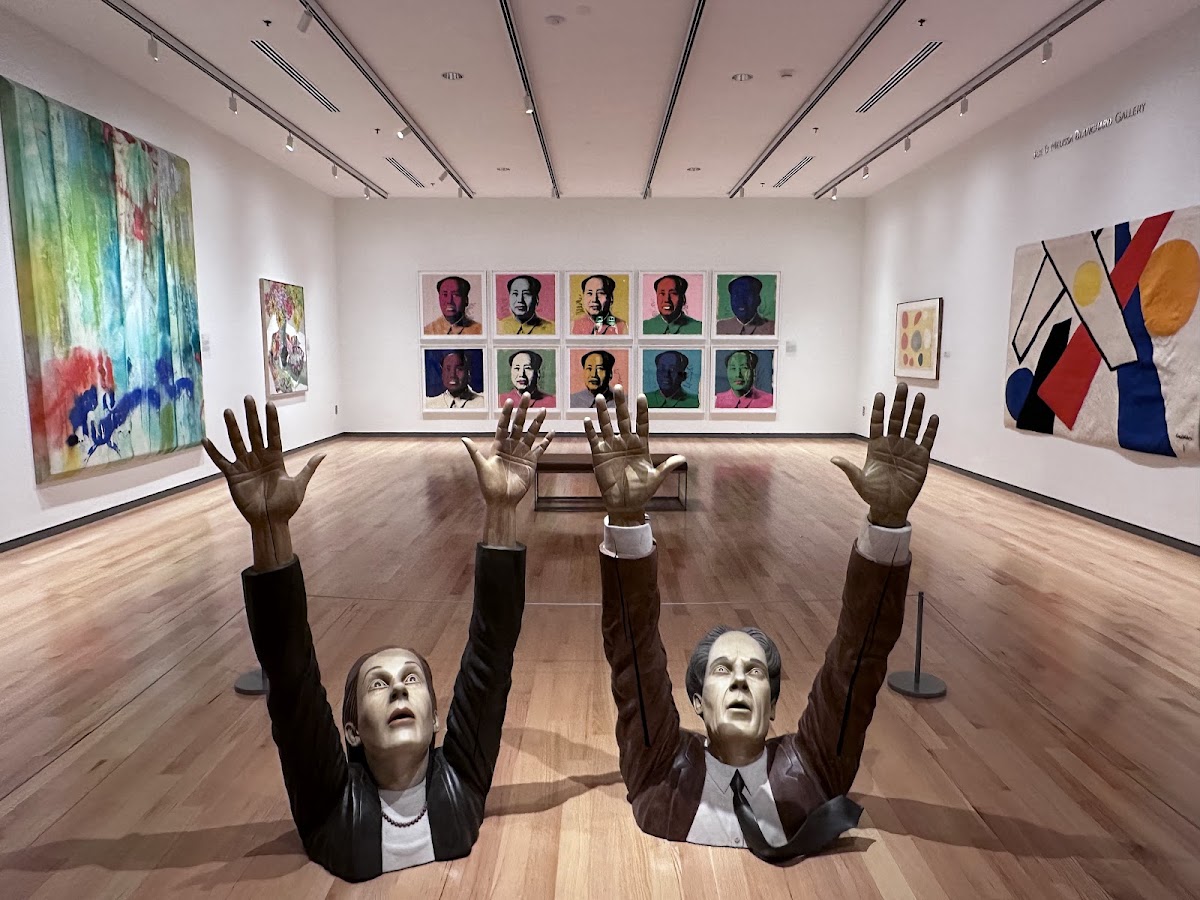
Although CMA's scale cannot be compared to the vast museums of larger cities, the quality of its collection and the density of its curation are on par with any renowned institution. Its extensive collection of over 7,000 pieces spans across eras and continents, showcasing the essence of human art history. From the delicate brushstrokes of the European Renaissance to the grand drama of the Baroque period, the brilliant light of Impressionism, the introspective explorations of Post-Impressionism, and the diverse experiments of 20th-century American contemporary art – masterpieces distinctly representing each era are meticulously arranged to stimulate the senses of every visitor. Natural light filters through various parts of the museum, making the colors and textures of the artworks even more vivid, offering a deep sense of immersion where the art and oneself truly connect in the quiet space.
A Collection Spanning Eras: The Harmony of Eastern and Western Aesthetics
The Columbia Museum of Art's collection boasts an astonishingly broad spectrum. In the European art section, visitors can glimpse the piety and artistic passion of the era through sacred works of beauty created in the workshop of Sandro Botticelli, a master of the Italian Renaissance. The soft curves and delicate colors evoke a quiet reverence in the viewer's heart. Following this, the works from the school of Peter Paul Rubens, a master of the Baroque period, dominate with their dynamic compositions and intense colors, vividly conveying a maelstrom of passionate emotions. The drama created by the contrast of light and shadow creates an illusion of life and movement.
The Impressionist and Post-Impressionist works, spanning from the late 19th to early 20th centuries, demonstrate revolutionary attempts in capturing light and color. Impressionist pieces, such as Monet's gentle landscapes, capture fleeting moments—like sunlight breaking on waves or the changing colors of the sky—eternally on canvas, presenting dazzling beauty. Subsequently, Post-Impressionist works deeply explore the inner worlds of artists through vibrant colors and expressionistic brushstrokes, leaving a powerful impression on viewers, drawing them into the artworks.
Furthermore, encountering the collection of Korean ceramics and other East Asian art in a museum in the American South offers visitors an unexpected depth of emotion and surprise. The jade-green nobility of celadon, the pure white aesthetics of porcelain, and the unrestrained beauty of Punch'ong ware collectively showcase the essence of traditional Korean art. Particularly, the smooth curves and delicate inlaid techniques of Goryeo celadon, and the simple, restrained beauty of Joseon white porcelain, evoke a profound contemplation and refined aesthetic unique to the East, distinct from Western art. These precious works convey the deep breath of Korean culture in a distant foreign land, offering nostalgia and pride to Asian visitors and a new aesthetic experience to Western visitors. In this way, CMA superbly acts as a bridge between Eastern and Western arts, fostering a deeper understanding between cultures.
Facing the Shadow of the South Through Art: A Dialogue on Race and History
The Columbia Museum of Art is more than just a repository of art; it is particularly special because it directly confronts the complex and often painful history of the American South, especially the themes of race and history. South Carolina was once a central hub of the American slave trade, with a vast plantation economy that tragically thrived on enslaved labor. The weight of this dark history continues to cast a deep shadow over Southern society today. CMA does not shy away from this historical truth; instead, it serves as a crucial platform to remember, reinterpret, and initiate dialogues of healing through art.
The museum regularly hosts special exhibitions on this theme, showcasing how contemporary artworks artistically sublimate past wounds and pose poignant questions about current racial issues. For instance, works by African American artists vividly testify to the brutality of slavery and the pain of racial discrimination, while simultaneously conveying messages of resistance, resilience, and hope. Through vibrant colors, symbolic imagery, and sometimes heartbreaking realistic depictions, these works provide visitors with deep introspection and emotional resonance. The museum's curators guide visitors through these exhibitions to confront the past, question present inequalities, and imagine a better future. Standing before these works, visitors experience the pain of history in a heavy silence, and simultaneously witness art's power to heal and transform.
An Odyssey Through Columbia: Art, Cuisine, and Nature
Having spent time in deep contemplation through art, it's now time to embrace Columbia's other charms. Columbia is a city that offers visitors artistic inspiration alongside a genuine taste of Southern charm.
Optimal Visit Times and Culinary Exploration
The best times to visit the Columbia Museum of Art are spring (March to May) and fall (September to November), when the weather is mild. During these seasons, you can comfortably stroll through the city and enjoy outdoor activities, avoiding the intense heat typical of a Southern summer. Autumn, in particular, paints the city with beautiful foliage and hosts various local festivals, offering an even richer experience.
After your museum visit, explore Columbia's Vista district. What was once a warehouse district has now transformed into a vibrant cultural and artistic hub, bustling with art galleries, boutique shops, and wonderful restaurants and cafes. Walking through the lively streets of the Vista district in the evening, you can savor a romantic and enjoyable atmosphere filled with the aroma of delicious food and the gentle sounds of live music. You can indulge in diverse culinary experiences, from fresh seafood and traditional Southern BBQ to modern American cuisine, with choices ranging from casual pubs to upscale fine dining. Ending your day by enjoying a cold craft beer at a local brewery is also an excellent idea.
Escape into Nature: Congaree National Park
If you've experienced both artistic sensibilities and urban vibrancy, it's time to spend peaceful moments in nature. Congaree National Park, located near Columbia, is one of the largest old-growth floodplain forests in the eastern United States, boasting breathtaking natural scenery. This ecological treasure trove is home to towering, centuries-old trees that reach for the sky and a diverse array of flora and fauna. Walking along the tranquil Boardwalk Loop Trail, you'll find peace of mind amidst the breath of the lush forest, the chirping of birds, and the gentle sounds of water. Thanks to the dense canopy providing shade, you can enjoy a relatively cool walk even in mid-summer. Canoeing or kayaking on the water to admire the mystical landscapes of the Congaree River will also create unforgettable memories. This experience in nature, combined with the artistic inspiration gained from the museum, will offer a special healing time, cleansing both body and mind.
The Questions Art Poses, the Reflections History Offers
The Columbia Museum of Art is more than just an exhibition space; it is a special place that offers visitors deep opportunities for contemplation and introspection. Here, we discover beauty, feel the weight of history, and pose questions about contemporary society. This museum, nestled under the warm Southern sun, vividly demonstrates how the power of art and the lessons of history intertwine to enrich the human spirit. Your journey through Columbia will be remembered as an unforgettable experience where art, nature, and history harmoniously converge. We encourage you to listen to the questions art poses and deepen your understanding of life through the reflections history offers.
Visitor Info
| Location | 미국 사우스캐롤라이나 컬럼비아 (1515 Main St, Columbia, SC 29201) |
| Opened | 1950년 |
| Admission | Adult $12 / Student $5 / 5세 이하 Free / 1st Sun요Sun Free |
| Hours | Tue-Fri 11:00~17:00, Sat 10:00~17:00, Sun 12:00~17:00 (Mon요Closed Sun) |
| Getting There | 컬럼비아 다운타운 walk권 |
| 추천 코스 | CMA → 사우스캐롤라이나 주의사당 → 비스타 지구 저녁 식사 |
| 공식 사이트 | https://www.columbiamuseum.org |
