국립 분재·펀징 박물관 — 워싱턴 D.C., 살아있는 예술의 미술관
National Bonsai & Penjing Museum: A Living Art Garden in Washington D.C.
Nestled in the vast U.S. National Arboretum in Northeast Washington D.C., a special gateway leads away from the city's hustle and bustle into the serenity of nature. Following the quiet trails that stretch through its lush embrace, one encounters a mysterious space where time itself seems to slow down. This is the very home where the slowest and most meticulously crafted art forms breathe life: the National Bonsai & Penjing Museum. Far from being a mere exhibition space, it is a 'living museum' where the dynamism of life and the artist's breath intertwine, constantly changing with each passing moment. It is a renowned destination boasting the world's largest public collection of bonsai.
The Art Embued with the Philosophy of Life: The World of Bonsai and Penjing
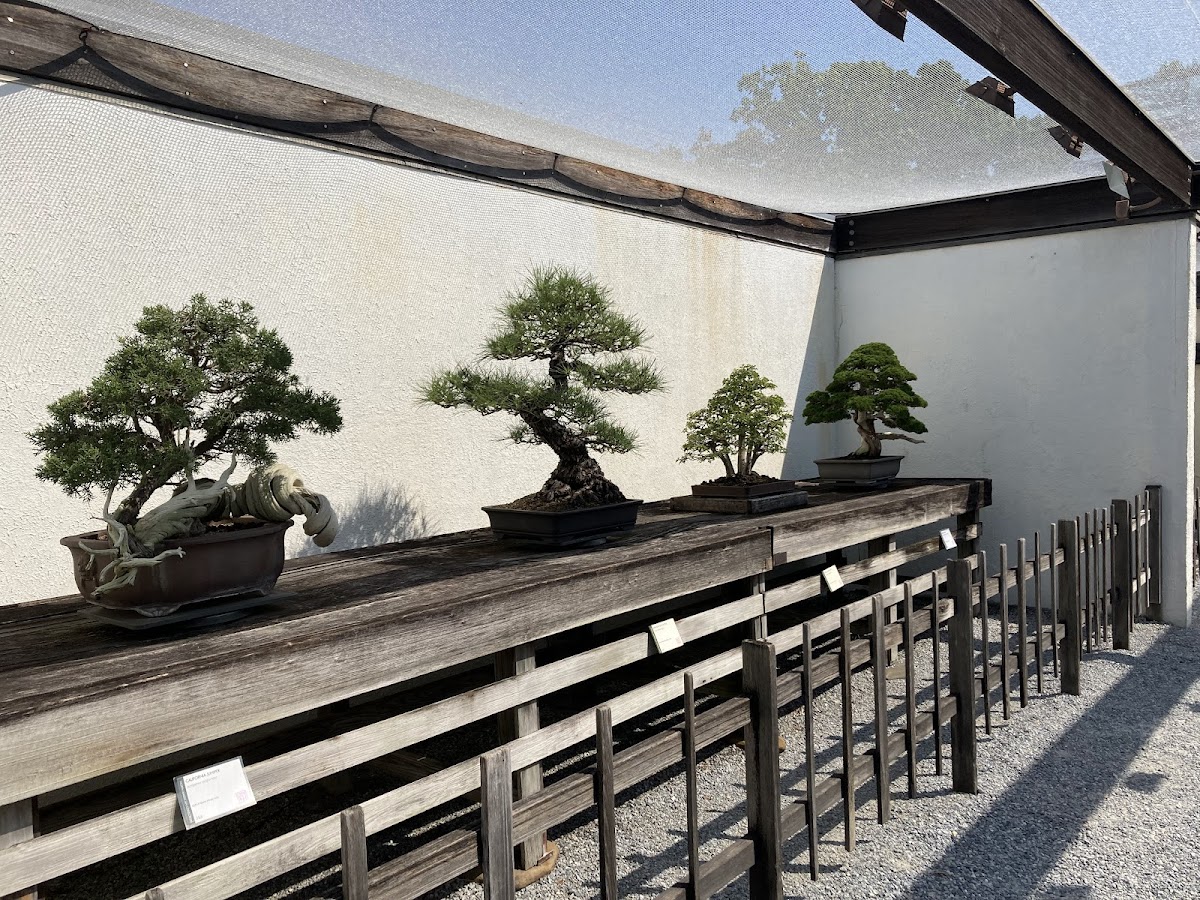
The moment visitors step through the doors of this museum, they are invited into a world of marvelous miniature landscapes. Bonsai, an art form developed in Japan, involves planting trees in small pots and using delicate techniques like pruning and wiring to recreate the majestic forms of nature in miniature. This is not merely about making trees small; it is a profoundly philosophical endeavor that condenses the dignity of centuries-old trees, the resilience of trees that have weathered storms, or the peace of a tranquil forest into a small pot. Penjing, on the other hand, an art originating in China, utilizes not only trees but also rocks, water, and miniature figurines to create more dramatic and narrative landscapes. Every piece here embodies deep contemplation on the cycle of nature, the tenacity of life, and the harmonious relationship between humans and nature. The scent of earth and fresh grass gently brushes the nose, sunlight filtering through the leaves adds a subtle beauty, and visitors instinctively bend their heads, drawn into these miniature universes.
The Hiroshima Survivor Bonsai: A Message of Peace and Life
Undoubtedly, the most solemn and moving piece in this museum is the Hiroshima Survivor Bonsai. Cultivated for over 390 years by a single family since approximately 1625, this Japanese white pine (Pinus parviflora) miraculously survived the atomic bombing of Hiroshima on August 6, 1945, one of the most tragic events in human history. Despite being located just 3 kilometers from the hypocenter at the time, this tree steadfastly endured the devastating destruction. Later, in 1976, it was gifted to the United States as a symbol of friendship and peace from the Japanese people, commemorating the U.S. bicentennial. Its gnarled trunk and delicately extended branches silently bear witness to centuries of time, quietly narrating the tenacious resilience of life that blossomed amidst the despair of a nuclear explosion and the enduring hope of humanity. Standing before this tree, visitors experience a profound sense of awe and solemnity, deeply internalizing the precious message of peace and harmony.
A Feast of Diverse Cultures and Styles: Exploring the Pavilions
The National Bonsai & Penjing Museum is divided into Japanese Bonsai Pavilion, Chinese Penjing Pavilion, North American Bonsai Pavilion, and International Bonsai Pavilion, each showcasing the unique aesthetics of different cultures. In the Japanese Bonsai Pavilion, visitors can admire works expressing various natural forms with restrained beauty, from the upright formal (Chokkan) style to the windswept slanting (Shakan) style, or the cascading (Kengai) style resembling a waterfall. The delicate pruning and exposed root techniques further accentuate the dignified grace of trees hundreds of years old. The Chinese Penjing Pavilion boasts even more dynamic and narrative landscapes. Craggy rocks, flowing water, and miniature architectural elements combine to evoke a traditional landscape painting, fully encapsulating the spirit of ancient Chinese art. The North American Bonsai Pavilion displays the creative endeavors of American bonsai artists, while the International Bonsai Pavilion allows visitors to appreciate diverse bonsai styles from Europe and various Asian countries in one place. From ancient trees over 300 years old to experimental works by contemporary bonsai artists, these living art pieces offer visitors a profound artistic world that transcends a mere hobby. These trees are not simply displayed; they breathe and grow, receiving constant care from experts every single day. This proves that bonsai is a collaborative creation between humans and nature, an eternal art of the present moment crafted by time.
Within the Embrace of the National Arboretum: A Time for Quiet Contemplation
After exploring the Bonsai Museum, we highly recommend taking the time to discover the entirety of the vast U.S. National Arboretum. This enormous botanical garden, spanning 446 acres, offers a variety of ecological landscapes and captivating sights. In particular, the sight of the 22 colossal National Capitol Columns, once part of the Old U.S. Capitol building, standing majestically on the green meadow, creates a surreal landscape in itself. Walking among these columns, reminiscent of ancient Roman temple ruins, you will be deeply captivated by the unique beauty where history and nature coexist. In spring, a vibrant tapestry of azaleas and rhododendrons delights the eyes, and in autumn, the colorful foliage creates a spectacular display. Escaping the city noise to stroll amidst the fresh scent of grass and the chirping of birds will provide a tranquil half-day of genuine rest and peace amidst a busy Washington D.C. sightseeing schedule.
Special Advice for Travelers
Best Time to Visit: Both the Bonsai Museum and the National Arboretum are beautiful year-round, but spring (April-May) offers spectacular floral displays, and autumn (October) delights with vibrant fall foliage. For those wishing to avoid crowds, a weekday morning visit is recommended. During summer, focus on the shaded interiors of the Bonsai Museum and enjoy arboretum walks in the early morning or late afternoon. In winter, you can appreciate the steadfast beauty of bonsai amidst a serene snowy landscape.
Transportation and Accessibility: The National Arboretum can be somewhat challenging to access by public transportation, so using a car (ample parking available) or a taxi/rideshare service is convenient. It takes approximately 20-30 minutes from downtown Washington D.C.
Nearby Dining: While there is a small café within the Arboretum, for a more substantial meal, you can head to nearby areas like Capitol Hill or the H Street Corridor, where a variety of restaurants can be found. Returning to downtown D.C. to explore trendy eateries or traditional American cuisine is also a good option.
Visit Tips: Allocate at least 1.5 to 2 hours for the museum and a minimum of 3 to 4 hours to explore the entire arboretum at a leisurely pace. Walk slowly, appreciating the stories and the artists' dedication embedded in each piece. Photography is permitted, but please refrain from using flash. If you're lucky, you might have the opportunity to witness a bonsai care demonstration or a special exhibition.
In Closing
The National Bonsai & Penjing Museum in Washington D.C. is more than just a tourist attraction; it is a profound space where life and art, history and nature intersect. Here, you can encounter the grand narrative of life unfolding within a small pot, experience the aesthetics of patience and harmony, and carry a message of peace in your heart. We hope you will create your own special story in this living art garden, which offers unforgettable inspiration and moments of quiet contemplation.
Visitor Info
| Location | 미국 워싱턴 D.C. (3501 New York Ave NE, Washington, DC 20002 — 국립WedThu원 내) |
| Opened | 1976년 |
| Admission | Free |
| Hours | 10:00~16:00 (연중무휴 / 연말 Sun부 closed) |
| Getting There | 자동차 권장 (대중교통 불편) / 국립WedThu원 Free Parking |
| Highlights | 히로시마 생존 min재 (391세) / 300년 이상 고Thu min재 / 중국 펀징 컬렉션 |
| 공식 사이트 | https://www.bonsai-nbf.org |
