Stockholm: From Viking Seas to Modern Times
Stockholm: From Viking Seas to Modern Times
Stockholm's Djurgården Island: Home to Two Major Museums
Djurgården Island, located about 1.5 km east of central Stockholm, serves as a cultural hub for both locals and tourists. This island hosts two significant museums: the Vasa Museum and Skansen Open-Air Museum. The Vasa Museum, situated on the northwestern coast, houses the 17th-century warship Vasa. Skansen, an open-air museum showcasing traditional Swedish life, is a short 10-minute walk southeast from the Vasa Museum. Together, they offer a comprehensive record of Sweden's maritime history and terrestrial culture within one scenic location.
The Vasa Ship: A 17th-Century Swedish Ambition
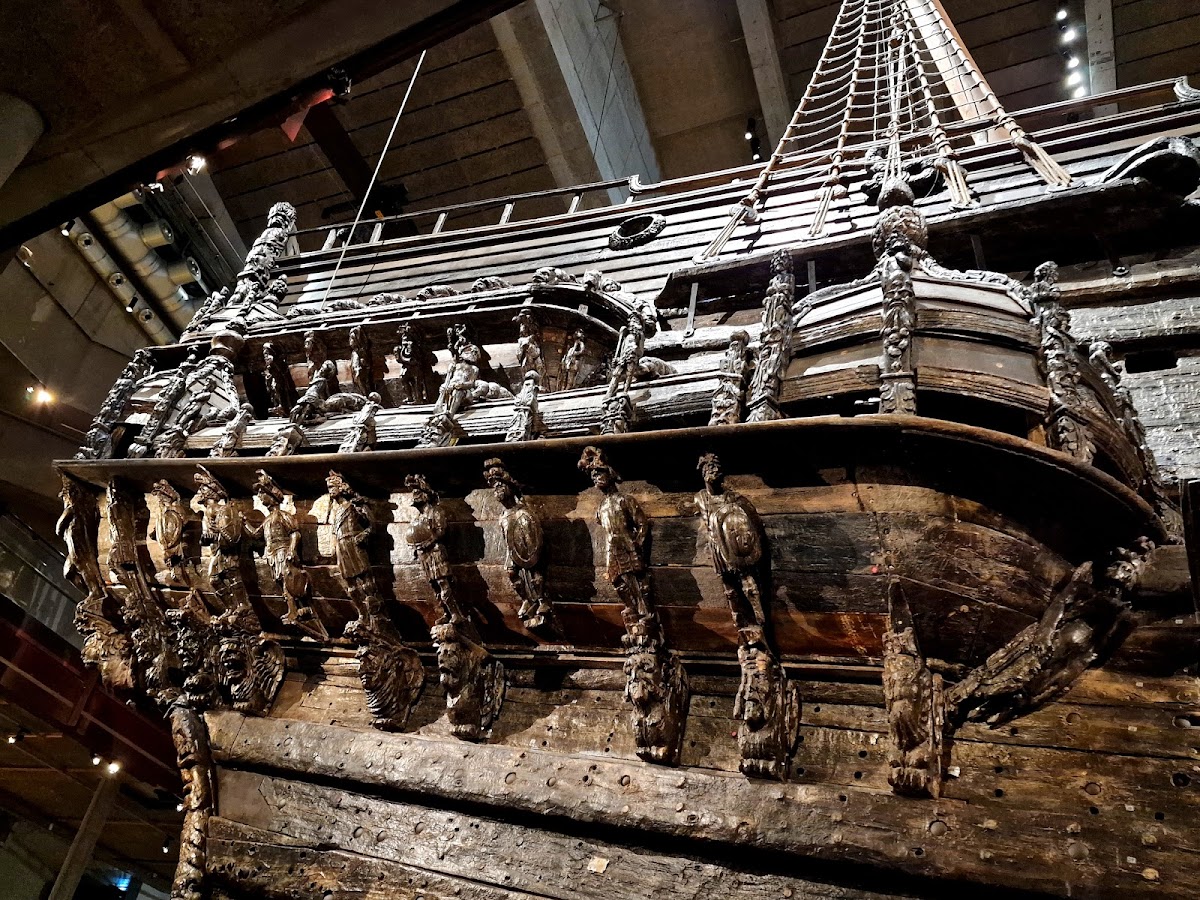
In the early 17th century, Sweden was a rising power in the Baltic Sea. King Gustav II Adolf commissioned the Vasa, a formidable warship armed with 64 cannons, standing 52 meters high and 69 meters long. This vessel was intended to symbolize Sweden's might and technological prowess. Its hull was adorned with over 700 intricate wooden sculptures depicting lions, Roman emperors, and mythological figures, all originally painted in vibrant colors, reflecting the grandeur of the Swedish monarchy.
The Tragic Maiden Voyage of the Vasa in 1628
On August 10, 1628, the Vasa embarked on its maiden voyage from Stockholm harbor. Despite public fanfare, the ship capsized and sank after sailing only 1,300 meters, struck by a sudden gust of wind. This swift disaster, claiming at least 30 lives, was attributed to design flaws, particularly insufficient stability due to an overly high center of gravity and inadequate ballast. The incident highlighted shortcomings in contemporary shipbuilding practices and cast a temporary shadow over Sweden's naval ambitions.
333 Years Underwater and the 1961 Salvage
The Vasa lay submerged in the cold, brackish waters of the Baltic Sea for 333 years. The low salinity and protective mud preserved over 95% of its original structure, making it an unparalleled archaeological find. In the 1950s, marine archaeologist Anders Franzén located the wreck, leading to a monumental salvage operation in 1961. The ship's recovery was a global news event, marking a significant milestone in marine archaeology.
The Vasa Museum: Preservation and Exhibition Since 1990
Following its salvage, the Vasa underwent extensive preservation using polyethylene glycol (PEG) to prevent decay upon exposure to air. In 1990, the Vasa Museum opened its doors to permanently house and display the ship. The museum maintains strict temperature and humidity controls to ensure the ship's long-term preservation. Visitors can view the magnificent vessel from multiple levels, offering a 360-degree perspective of its scale and intricate carvings.
The museum also exhibits over 40,000 artifacts recovered from the wreck, including sailors' personal items, tools, and provisions. These objects, along with detailed displays, models, and films, provide insights into 17th-century Swedish life, shipbuilding techniques, and the dramatic story of the Vasa's construction, sinking, and recovery.
Skansen Open-Air Museum: A Vision from 1891
A short walk from the Vasa Museum, Skansen Open-Air Museum, founded by Artur Hazelius in 1891, stands as the world's first of its kind. Hazelius's vision was to preserve Sweden's traditional way of life and culture, which were rapidly disappearing due to industrialization. He relocated and reconstructed over 150 historical buildings from across Sweden, creating a living museum that showcases Swedish life from the 18th to the early 20th century.
Skansen's Buildings and Living History
Skansen's vast grounds feature diverse architectural styles, from rural farmhouses with thatched roofs to the distinctive 'kota' dwellings of the Sami people from northern Sweden. Each building is furnished with period-appropriate items, recreating authentic living spaces. Costumed interpreters engage visitors, demonstrating traditional crafts like baking, glassblowing, blacksmithing, and carpentry, bringing the past to life with sights, sounds, and smells.
The museum also includes a recreated 19th-century town quarter with shops, a printing press, and a post office, illustrating urban life during Sweden's modernization. Beyond the historical buildings, Skansen hosts a Nordic zoo with indigenous animals like wolves, bears, reindeer, and moose, housed in naturalistic enclosures. The museum's landscape offers pleasant walking trails, allowing visitors to experience Swedish nature.
Seasonal Charm and Visitor Information
Skansen offers different charms throughout the year, from lush greenery in summer to festive Christmas markets in winter. The Midsummer celebration in June is a particularly vibrant time to visit. Both the Vasa Museum and Skansen are located on Djurgården Island, making them convenient to visit together in one day. However, Skansen's large size warrants at least half a day for a thorough exploration.
Vasa Museum Visitor Information: Located at Galärvarvsvägen 14, 115 21 Stockholm. Open daily 10:00-17:00 (extended hours in summer, 08:30-18:00; Wednesdays until 20:00). Admission is 190 SEK for adults, free for under 18s. Accessible by tram (Line 7), bus (69, 76), or ferry. Check the official website for current hours and prices.
Skansen Open-Air Museum Visitor Information: Located at 49-51 Djurgårdsslätten, 115 21 Stockholm. Operating hours vary seasonally (generally 10:00-17:00 or 10:00-20:00). Admission is 220 SEK for adults (summer peak), 80 SEK for children (6-15), free for under 6s. Accessible by tram (Line 7 to Skansen stop) or bus (67, 76). Comfortable shoes are recommended for both museums due to extensive walking.
Visitor Info
| Estimated Visit | Translating |
| Translating | Translating |
| Translating | Translating |
| Recommended Route | Translating |