Berlin: Memories Beyond the Wall and Technology
Berlin: Memories Beyond the Wall and Technology
Berlin: Memory and Innovation
Our expedition in Berlin, June 16-20, 2026, explores a city where history and progress intertwine. The Friedrichshain-Kreuzberg district hosts two key sites: the Topography of Terror, confronting Nazi history, and the German Museum of Technology, celebrating human ingenuity. These museums, within 2 km, reveal Berlin's complex identity, showing how it remembers its past while embracing the future.
Topography of Terror: Nazi History Site
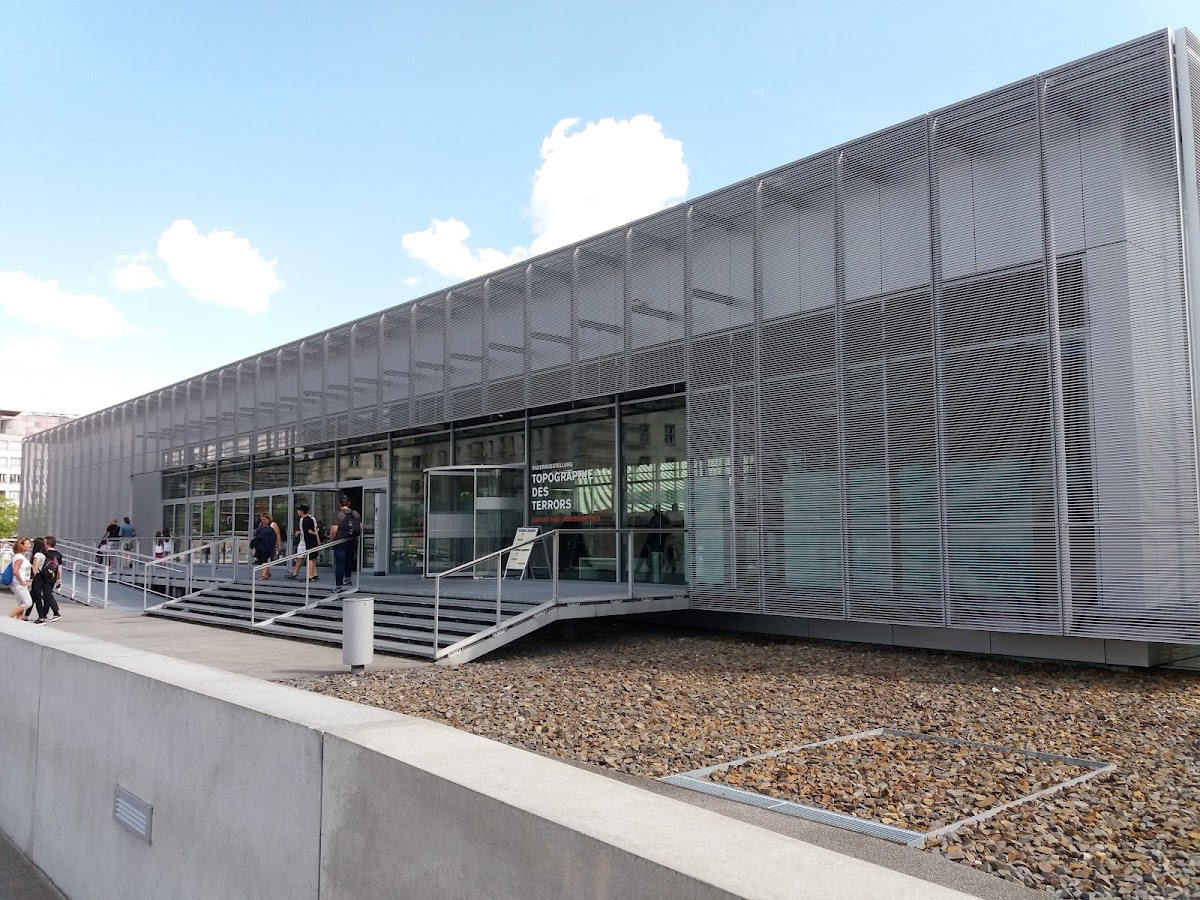
At Niederkirchnerstraße 8, the Topography of Terror occupies the former Gestapo and SS headquarters (1933-1945). A preserved section of the Berlin Wall nearby highlights Germany's dual historical tragedies. Accessible from U6 Kochstraße/Checkpoint Charlie and S1/S2 Potsdamer Platz, its grey concrete and green lawns symbolize remembrance and hope. The 2,000 sqm exhibition, with over 1,000 documents, photos, and testimonies, vividly recounts the Nazi regime's oppression and crimes.
The outdoor exhibit traces excavated remains of the Gestapo headquarters, offering a tangible link to the past. Indoor displays comprehensively cover the Nazi regime's rise and fall, using factual records to encourage reflection on universal values destroyed during that era.
German Museum of Technology: Progress and Innovation
On Trebbiner Str. 1, the German Museum of Technology, opened in 1982, showcases over 22,000 artifacts of technological advancement. Near U1/U2 Gleisdreieck station, its red-brick architecture, a repurposed railway depot, is topped by a C-47 Skytrain ("Raisin Bomber"), symbolizing the Berlin Airlift. This iconic aircraft provides a powerful introduction to the museum's vast collection.
The museum covers aviation, space, maritime, railways, printing, textiles, and computing. Full-scale exhibits, like locomotives, create immersive experiences. Interactive displays encourage hands-on engagement, making learning enjoyable for all ages. It demonstrates how human imagination and challenge have transformed the material world.
Berlin's Dual Narrative: Memory and Technology
Berlin's unique character is defined by remembering its tragic past at the Topography of Terror while celebrating progress at the German Museum of Technology. This juxtaposition offers deep insight into the city's resilience. Our recommended itinerary connects these experiences: Topography of Terror, then Checkpoint Charlie, concluding at the German Museum of Technology. This path optimizes understanding of Berlin's historical and cultural context.
Visitor Information
- Topography of Terror: Free admission. Open daily 10:00-20:00 (check website for seasonal indoor hours). Located at Niederkirchnerstraße 8. Accessible via U6 Kochstraße/Checkpoint Charlie or S1/S2 Potsdamer Platz. Allow 1.5 hours.
- German Museum of Technology: Adults 8€ (4€ after 3 PM), students 4€. Closed Mondays. Tue-Fri 09:00-17:30, Sat-Sun 10:00-18:00 (check website for holiday hours). Located at Trebbiner Str. 1. Accessible via U1/U2 Gleisdreieck or S1 Anhalter Bahnhof. Allow 3-4 hours.
- Recommended Route: Topography of Terror → Checkpoint Charlie → German Museum of Technology. Both areas offer diverse dining options.
Visitor Info
| Estimated Visit | Translating |
| Translating | Translating |
| Translating | Translating |
| Recommended Route | Translating |