Vienna: Habsburg Glory and Natural Wonders
Vienna: Habsburg Glory and Natural Wonders
Vienna's Imperial Core: Twin Museums on Maria-Theresien-Platz
In the heart of Vienna's Inner Stadt, at Burgring 7, two magnificent Renaissance Revival buildings stand facing each other across Maria-Theresien-Platz. To the west is the Natural History Museum (Naturhistorisches Museum Wien), and to the east, the Kunsthistorisches Museum (KHM). These symmetrical twin structures symbolize the grandeur and intellectual curiosity of the Habsburg Empire.
The Natural History Museum houses an extensive collection showcasing Earth's history and biodiversity, while the Kunsthistorisches Museum displays the vast art collection amassed by the Habsburg dynasty over centuries. Both museums are situated within the Ringstraße, Vienna's central boulevard, marking them as pivotal cultural and intellectual landmarks.
Natural History Museum: A Legacy of Habsburg Scientific Inquiry
The origins of the Natural History Museum's collection trace back to the mid-18th century, initiated by Emperor Franz I Stephan, consort of Maria Theresa. His personal collection of minerals, fossils, and animal specimens grew into one of Europe's finest, reflecting a profound scientific passion. This collection was later inherited by Empress Maria Theresa, becoming a cherished imperial asset.
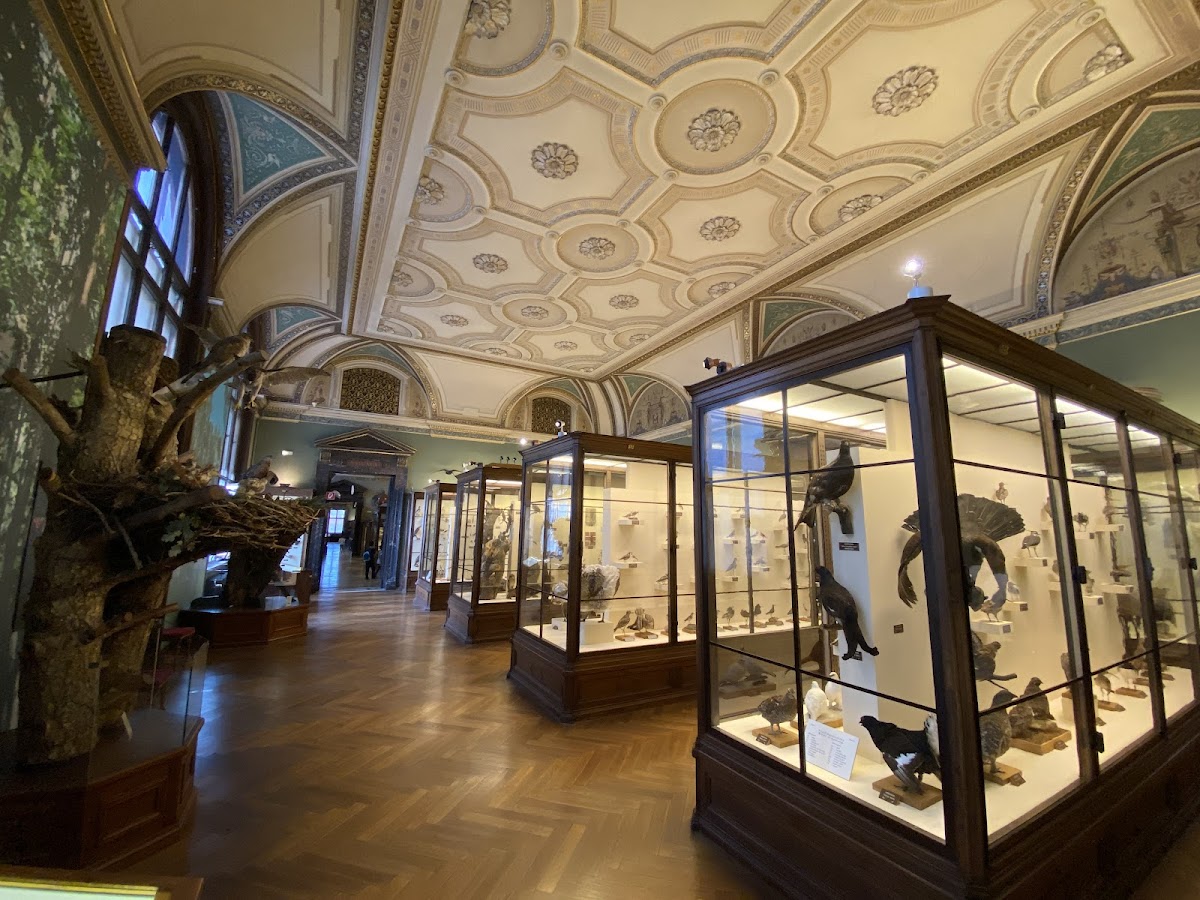
In 1889, Emperor Franz Joseph I commissioned the construction of the monumental museum to publicly display these treasures. The building itself, designed in the grand Renaissance Revival style, is an architectural marvel, featuring intricate frescoes and statues in its central hall. It served not only as an exhibition space but also as a hub for scientific research and education, disseminating knowledge to the public.
A World of Wonders: From Dinosaurs to the Venus of Willendorf
The Natural History Museum boasts over 30 million objects, offering a comprehensive journey through Earth's history and the diversity of life. Visitors encounter colossal dinosaur fossils from the Jurassic period (150 million years ago), dazzling gems and minerals, and invaluable artifacts tracing human evolution. The central hall, dominated by massive dinosaur skeletons, provides a breathtaking overview of prehistoric life.
The Mineralogy Hall showcases rare and beautiful stones, including a 250kg meteorite that visitors can touch, offering a tangible connection to the cosmos. In the Prehistory section, a replica of the Venus of Willendorf, dating back 29,000-25,000 years, provides insight into early human art and symbolism. The museum remains a vibrant center for ongoing scientific research and discovery.
Kunsthistorisches Museum: The Habsburg Imperial Art Collection
Opposite the Natural History Museum stands the Kunsthistorisches Museum (KHM), opened in 1891. This magnificent institution is a repository of art collected by the Habsburg imperial family over centuries, presenting a panoramic view of European art history from the Renaissance to the Baroque period.
Key highlights include Pieter Bruegel the Elder's
The Kunstkammer: A Cabinet of Curiosities
A unique feature of the KHM is the
Galerie Konzett: A Contemporary Art Space in Vienna
Located at Spiegelgasse 21 in Vienna's Inner Stadt, Galerie Konzett is a contemporary art space with a history dating back to 1955. It presents a diverse selection of modern and contemporary artworks, ranging from delicate brushstrokes to bold expressions. The gallery serves as an important venue for experiencing current trends in contemporary art within the heart of Vienna, often featuring new works by various artists through special exhibitions.
Visitor Information: Planning Your Vienna Museum Journey
- Natural History Museum: Admission for adults is 16€ (19 and under free). Open Mon, Thu-Sun 09:00-18:00; Wed 09:00-20:00; closed Tue. Located at Burgring 7, 1010 Wien, Austria, a 3-minute walk from U2 Museumsquartier station. Recommended visit time: 3 hours.
- Kunsthistorisches Museum: Admission for adults is 21€ (discounts for students/youth, free with Vienna Pass). Open Thu-Sun 10:00-18:00; Tue-Wed 10:00-21:00 (main collections open); closed Mon. Located near U2/U3 Volkstheater station. Recommended visit time: 1 hour or more.
- Galerie Konzett: Admission is free (or paid for special exhibitions). Open Tue-Fri 11:00-18:00; Sat 10:00-14:00; closed Mon, Sun. Located at Gartenpark Anninger, Spiegelgasse 21, 1010 Wien, Austria. Recommended visit time: 30 minutes to 1 hour.
Recommended Itinerary and Nearby Attractions
A suggested itinerary for Vienna includes starting at the Natural History Museum, admiring the exterior of the Kunsthistorisches Museum, strolling along the Ringstraße, visiting Galerie Konzett for contemporary art, and concluding with a coffee experience at the historic Café Central. Both major museums house extensive collections, so consider allocating ample time or focusing on specific areas of interest.
The area around the museums offers numerous traditional Austrian restaurants and charming cafes. The 'Café im Kuppelsaal' inside the Kunsthistorisches Museum provides a unique dining experience under its grand dome. Audio guides are available at the main museums for a more in-depth exploration.
Visitor Info
| Estimated Visit | Translating |
| Translating | Translating |
| Translating | Translating |
| Recommended Route | Translating |