From Hiroshima to Naoshima: A Pilgrimage of Peace and Art
From Hiroshima to Naoshima: A Pilgrimage of Peace and Art
Hiroshima Peace Memorial Museum: A Testament to Peace
The Hiroshima Peace Memorial Museum, located at 1-2 Nakajimacho, Naka Ward, Hiroshima, Japan, stands within the Hiroshima Peace Memorial Park. Established to bear witness to the devastation of the world's first atomic bombing on August 6, 1945, and to advocate for global peace, the museum serves as a poignant symbol of remembrance and a call for nuclear disarmament. The Atomic Bomb Dome, a preserved ruin of a building from the bombing, is a short walk away, offering a direct visual link to the tragic event.
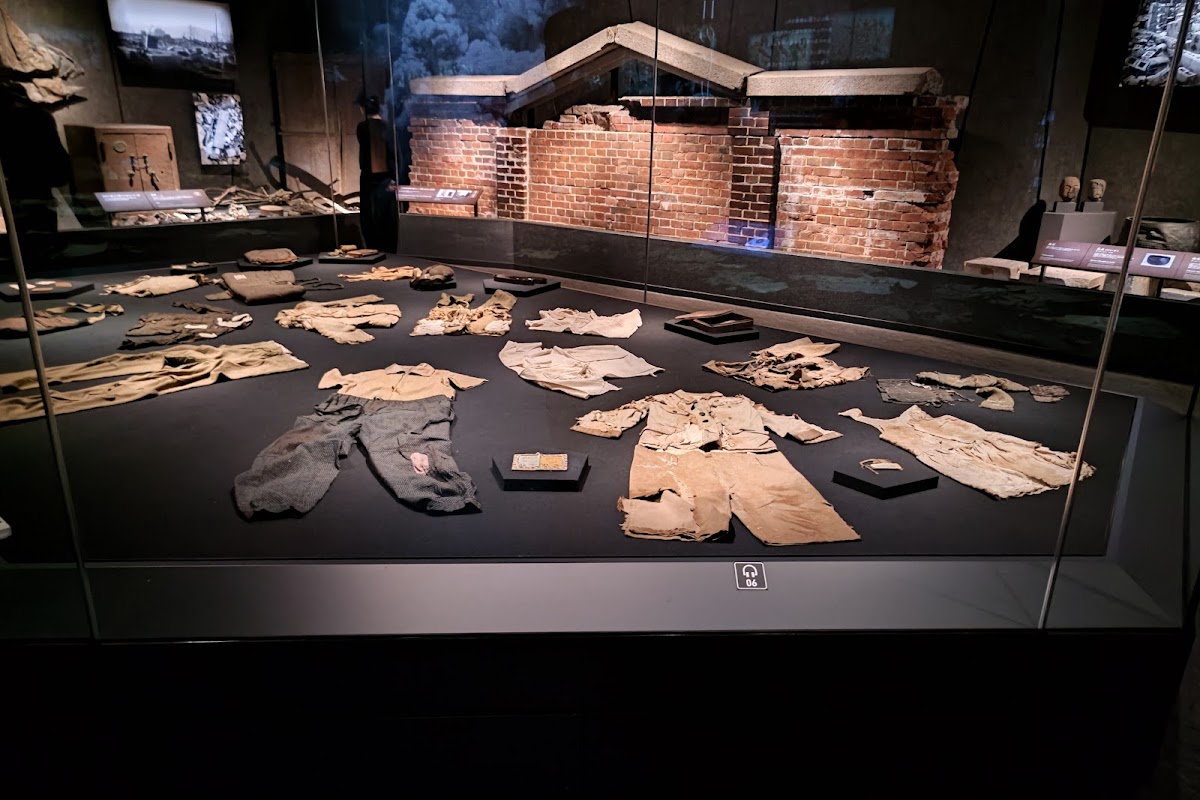
Opened in 1955, the museum's exhibits meticulously document the city before the bombing, the moment of impact, and the horrific aftermath. Artifacts such as a charred lunchbox, a stopped watch, and a child's tricycle convey the profound human cost of the atomic attack. Survivor testimonies and photographs further illustrate the suffering and the city's subsequent journey of reconstruction. The museum's ultimate message is one of hope and resilience, urging visitors to reflect on the past to build a peaceful future free from nuclear weapons.
teamLab Planets TOKYO: Immersive Digital Art in Tokyo
In stark contrast to Hiroshima's historical reflection, teamLab Planets TOKYO DMM, situated at 6-1-16 Toyosu, Koto City, Tokyo, Japan, offers a futuristic and sensory art experience. Opened in 2018, this innovative digital art museum, conceived by the art collective teamLab, redefines art viewing as a 'Body Immersive' experience. Visitors are encouraged to remove their shoes and socks, stepping barefoot into a series of interactive installations that engage all senses.
Key installations include 'Drawing on the Water Surface Created by the Dance of Koi and People – Infinity,' where digital koi fish swim and react to visitors wading through real water. 'Floating Flower Garden; Flowers and I are of the Same Root, the Garden and I are One' features thousands of live orchids suspended from the ceiling, creating an overwhelming floral landscape. 'The Infinite Crystal Universe' is a breathtaking light sculpture that allows visitors to interact with the artwork via a smartphone app. teamLab Planets explores the relationship between nature, space, and humanity through constantly evolving digital art, offering a unique journey into the possibilities of art and technology.
A Journey of Contrast and Connection
The journey from Hiroshima to Tokyo, often undertaken by Shinkansen, connects two profoundly different yet equally significant cultural experiences. Hiroshima Peace Memorial Museum provides a crucial space for historical memory and the pursuit of global peace, reflecting on humanity's past tragedies. teamLab Planets, on the other hand, looks forward, showcasing the boundless creativity and technological advancements that shape our future. Together, these two sites offer a comprehensive perspective on the human condition, from its capacity for destruction and resilience to its endless potential for artistic innovation and sensory exploration.
Visitor Information
- Hiroshima Peace Memorial Museum: Admission is ¥200 for adults. Operating hours are generally 08:30-18:00 daily, with seasonal variations; please check the official website for precise times. The museum is closed on December 30-31 and January 1. It is accessible via the Hiroshima Peace Memorial Park bus stop or by tram to Genbaku Dome-mae station. No advance booking is required for individual visitors.
- teamLab Planets TOKYO: Admission for adults is ¥3,800. Operating hours are typically 09:00-22:00 daily, with the last entry at 20:00. Hours are subject to change seasonally, so checking the official website is essential. The museum is a 1-minute walk from Shin-Toyosu Station (Yurikamome Line) or a 10-minute walk from Toyosu Station (Tokyo Metro Yurakucho Line). Time-slot reservations are mandatory and must be made online in advance.
Visitor Info
| Estimated Visit | Translating |
| Translating | Translating |
| Translating | Translating |
| Recommended Route | Translating |