From Gdansk to Wroclaw: Poland's Hidden Gems
From Gdansk to Wroclaw: Poland's Hidden Gems
A Journey Through Poland's Historical Narratives: Gdansk and Wroclaw
This record, dated June 16-20, 2026, details a journey through Gdansk and Wroclaw, two Polish cities housing significant cultural institutions: the Museum of the Second World War and the Racławice Panorama. These sites offer profound insights into Poland's history and enduring spirit.
A 2-3 day itinerary is recommended. Begin in Gdansk, exploring its Old Town and the WWII Museum. Travel by train to Wroclaw for the Racławice Panorama and a city tour. The period from May to September is ideal for this trip, offering pleasant weather.
Gdansk: A Baltic Port City and the Dawn of WWII
Gdansk, a vital port city on Poland's Baltic coast, is historically significant as the site where World War II began on September 1, 1939. The Museum of the Second World War is located at plac Władysława Bartoszewskiego 1, 80-862 Gdańsk, Poland, a 15-minute walk from Gdańsk Główny (Central Station). Its location underscores its role in chronicling the war's origins and impact.
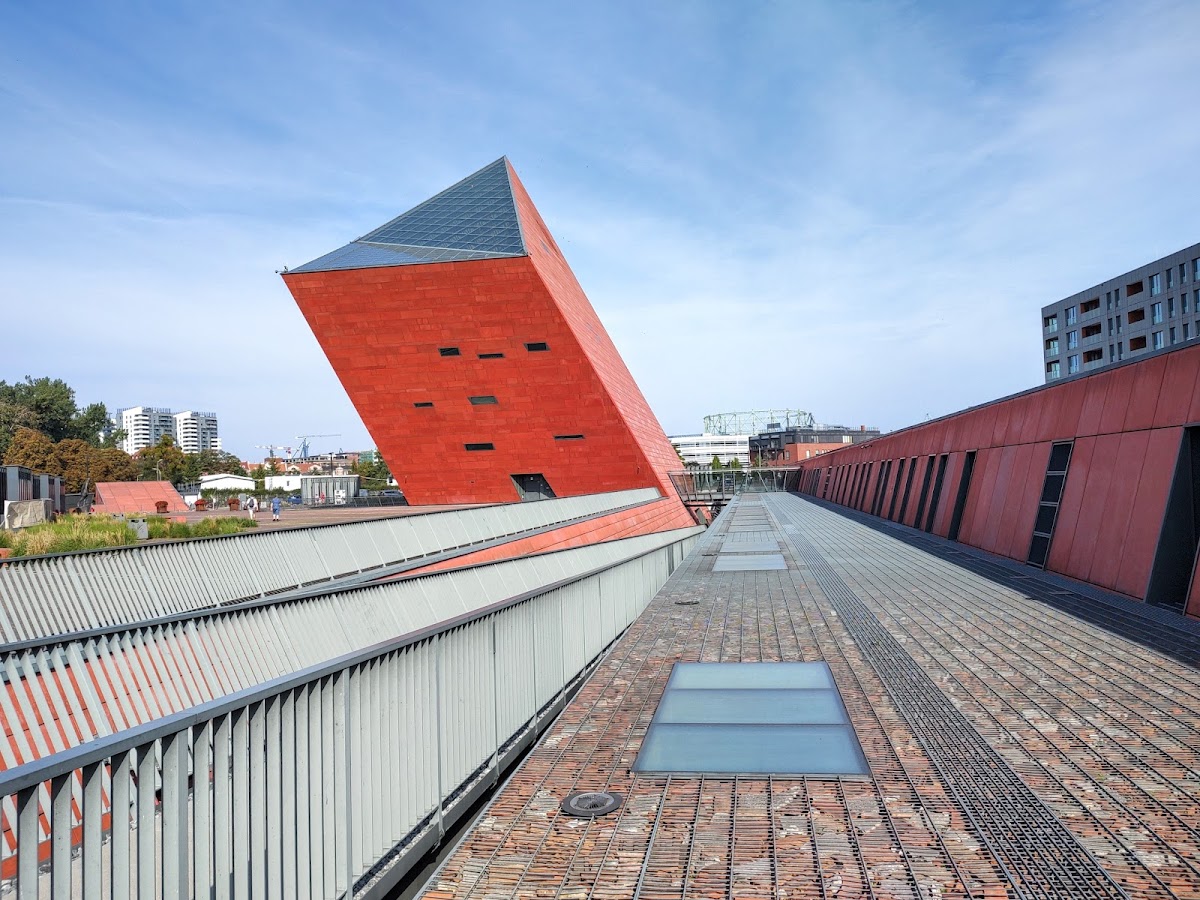
Opened in 2017, the museum explores the conflict's causes, development, and consequences, emphasizing human suffering and peace. Poland's role as an initial victim and resistance center is highlighted, promoting a global message of peace. The museum's architecture, a blend of concrete and glass, symbolizes the contrast between peace and wartime upheaval. Exhibitions span three subterranean levels, creating an immersive journey through artifacts, dioramas, and personal stories.
Wroclaw: A Historic City on the Oder River
Wroclaw, a historic city in western Poland on the Oder River, is accessible by train from Gdansk. The Racławice Panorama is at Jana Ewangelisty Purkyniego 11, 50-155 Wrocław, Poland, a 10-15 minute tram ride from Wrocław Główny (Central Station). Its central location ensures easy access.
The Racławice Panorama is a monumental panoramic painting completed in 1894. It depicts the Battle of Racławice in 1794, a significant Polish victory against the Russian army led by Tadeusz Kościuszko. This battle symbolized the spirit of independence and hope during Poland's partitions. Housed in a cylindrical building, the 114-meter-long, 15-meter-high painting, combined with artificial terrain and lighting, creates a 360-degree immersive experience of the battlefield.
Visitor Information: Museum of the Second World War
- Address: plac Władysława Bartoszewskiego 1, 80-862 Gdańsk, Poland
- Operating Hours: Daily from 10:00 AM to 6:00 PM. Check the official website for extended summer hours.
- Admission: Adult 30 PLN, Student/Senior 20 PLN, Child 1 PLN. Advance reservations recommended for groups.
- Transportation: Approx. 15-minute walk from Gdańsk Główny. Trams and buses available.
Visitor Information: Racławice Panorama
- Address: Jana Ewangelisty Purkyniego 11, 50-155 Wrocław, Poland
- Operating Hours: Tue-Fri, Sun 9:00 AM - 4:00 PM. Sat 9:00 AM - 5:00 PM. Closed Mon. Timed entry slots (every 30 mins) require advance booking.
- Admission: Adult 30 PLN. Check the official website for discounts.
- Transportation: Approx. 10-15 minute tram ride (lines 2 or 10) from Wrocław Główny. Viewing time is approx. 1 hour.
Visitor Info
| Estimated Visit | Translating |
| Translating | Translating |
| Translating | Translating |
| Recommended Route | Translating |