Edinburgh: Embracing the Heritage of the Scottish Kingdom
The British Isles, with their ancient stones and vibrant narratives, have always held a particular allure for me. From the bustling energy of London's thoroughfares to the dramatic, windswept landscapes of Scotland, a journey through the UK is a deep dive into stories etched by time. These tales often find their most profound expression within the hallowed halls of its museums and galleries. Today, I want to share my experiences from two particularly impactful visits, places that, while geographically distinct, each offered unique insights into the profound human experiences that have shaped this nation. Though my journey ultimately led me to the heart of Scotland, these two institutions, one in the sprawling capital and the other amidst Edinburgh's historic grandeur, together painted a rich tapestry of British history and identity.
Imperial War Museum, London: The Echoes of Humanity
My steps led me to the Imperial War Museum in London, a place that, even from its imposing Victorian facade, promises a profound encounter with history. Nestled south of the Thames, its stoic presence belies the raw, often heartbreaking human stories it safeguards within. I remember the sheer weight of the atmosphere as I stepped inside, the vast atrium immediately drawing my eye to the suspended aircraft and towering artillery pieces – silent, formidable witnesses to conflict.
Yet, it wasn't the machinery of war that left the deepest impression, but the intimate, deeply personal narratives. Walking through the Holocaust Galleries felt less like viewing exhibits and more like bearing witness. The hushed reverence of the visitors, the carefully curated personal effects – a child’s worn shoe, a tattered uniform, a single, hopeful drawing – spoke volumes more than any grand pronouncement. The meticulous detail in presenting the systematic horrors was unflinching, yet it always circled back to the individual lives extinguished and the extraordinary resilience of those who survived. It wasn't just about statistics; it was about names, faces, and stolen futures. The exhibit's power lay in its ability to strip away the abstract nature of genocide and confront me with its devastating human cost.
Then there was the Blitz Experience, a recreated air-raid shelter that plunges you into the darkness and cacophony of wartime London. The distant drone of bombers growing closer, the rumble of explosions, the disembodied voices of people seeking solace and courage amidst terror – it was a visceral, unsettling journey into the heart of a city under siege. It evoked a profound empathy, making me ponder the sheer tenacity of spirit required to carry on in the face of such relentless adversity. The museum isn't just a repository of artifacts; it's a meticulously crafted space that forces reflection, inviting visitors to grapple with the moral complexities of conflict and to honour the enduring human spirit amidst unimaginable suffering. It’s a challenging visit, certainly, but an essential one, leaving an indelible mark long after you've emerged back into the everyday bustle of London.
National Museum of Scotland, Edinburgh: A Kingdom Unveiled
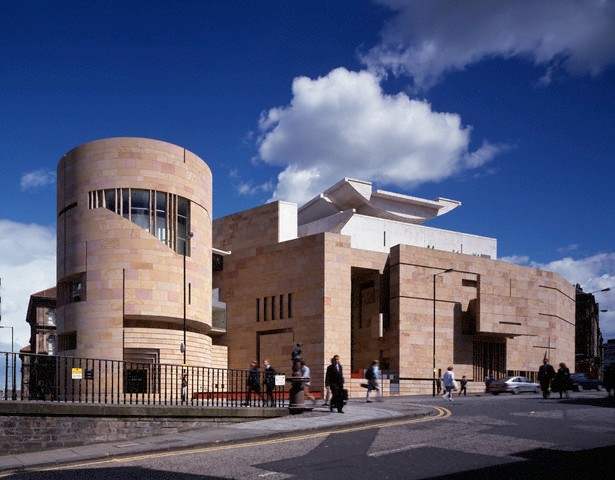
Leaving the somber reflections of London behind, I journeyed north to Edinburgh, a city steeped in myth and majesty. Here, the National Museum of Scotland rises majestically, a fascinating architectural dialogue between the old and the new. The original Victorian Grand Gallery, with its soaring, light-filled atrium and intricate cast-ironwork, feels like stepping into a bygone era of enlightenment and discovery. Sunlight streams through the glass roof, illuminating exhibits with a theatrical grace. Then, seamlessly, the modern extension unfolds, a sleek, contemporary space of blonde sandstone and clean lines, creating a harmonious yet dynamic experience. This architectural blend perfectly encapsulates Scotland itself – a nation proud of its ancient heritage, yet vibrantly forward-looking.
My journey through the museum mirrored a passage through time, beginning with Scotland’s geological formation and its earliest inhabitants. I was captivated by the sheer breadth of its collections, from ancient Pictish stones, their enigmatic carvings whispering tales of forgotten beliefs, to the legendary Lewis Chessmen, their expressive ivory faces hinting at Norse sagas and medieval power struggles. The Story of Scotland galleries are a masterclass in narrative, guiding visitors chronologically through significant moments: the fierce independence struggles, the intellectual flourishing of the Enlightenment, and the industrial innovations that reshaped the nation.
I remember pausing for a long moment before Mary Queen of Scots' jewellery, a poignant connection to a figure of such romantic tragedy and political intrigue. Each exhibit felt like a doorway into a specific moment, brought to life not just by the object itself, but by the thoughtful context provided. Ascending through the different levels, I moved from prehistoric beasts to Jacobite rebellions, from Highland clearances to modern Scottish art and industry. The museum’s layout encourages exploration and discovery, with unexpected treasures around every corner. It's a place where the roar of dinosaurs can be heard just floors away from the delicate clink of a Georgian tea set, where the ancient past informs the vibrant present, and where the enduring spirit of Scotland is celebrated in all its diverse glory.
Practical Tips
Imperial War Museum, London: Located at Lambeth Road, London SE1 6HZ. The nearest tube stations are Lambeth North (Bakerloo line) and Elephant & Castle (Bakerloo and Northern lines). Admission is free for general entry, but special exhibitions may require a ticket. Allow at least 3-4 hours, especially if you plan to visit the Holocaust Galleries, which demand significant time for reflection. The museum has a café and shop. It is highly recommended to check their website for current opening hours and any exhibition booking requirements.
National Museum of Scotland, Edinburgh: Situated on Chambers Street, Edinburgh EH1 1JF, making it easily accessible from the Royal Mile and Edinburgh Waverley train station. General admission is free, with charges for specific temporary exhibitions. Given its vast collections, plan for a minimum of 3-5 hours, or even a full day if you wish to delve deeper. The museum features multiple cafés, restaurants, and gift shops. Don't miss the rooftop terrace for panoramic views of Edinburgh, a perfect way to conclude your visit. Check their official website for details on special events and temporary closures.
Visitor Info
| Estimated Visit | 1Sun (두 박물관 + 로얄 마Sun) |
| 예산 | 스코틀랜드 국립박물관 Free, 제국전쟁박물관 Free |
| 추천 시기 | 8Mon (에딘버러 프린지 페스티벌), 5~9Mon (온Tue한 날씨) |
| 추천 동선 | 에딘버러 성 → 로얼 마Sun → 스코틀랜드 국립박물관 → 그라스마켓 → 제국전쟁박물관 |
