MALBA: Buenos Aires Treasury of Latin American Art
MALBA: Buenos Aires Treasury of Latin American Art
MALBA: A Modernist Beacon in Buenos Aires' Palermo District
MALBA, the Museum of Latin American Art of Buenos Aires, stands at Av. Pres. Figueroa Alcorta 3415 in the upscale Palermo district. This area, characterized by leafy avenues and Belle Époque mansions, provides a classic backdrop for MALBA's distinctly modern architecture. The museum is approximately a 15-minute walk east from Plaza Italia station on the D subway line.
Designed by Argentine architects Atelman, Fourcade, and Tapia, MALBA's building, completed in 2001, is a minimalist structure of white concrete and glass. Its sharp lines and expansive windows create a dialogue between the art within and the urban landscape outside, allowing glimpses of Palermo's greenery and sky to filter into the galleries. This contemporary design reflects the museum's focus on modern and contemporary Latin American art.
Founding Vision: Eduardo F. Costantini's Legacy
MALBA opened its doors on September 21, 2001, established through the visionary patronage of Argentine collector Eduardo F. Costantini. His ambition was to create a platform that would define the historical context of modern Latin American art and assert its unique value on a global scale, challenging Eurocentric narratives. Costantini's personal collection, amassed since the 1970s, formed the core of the museum's initial holdings.
The museum's mission is to showcase the dynamic flow of Latin American art from the early 20th century to the present. It encompasses diverse artistic movements that emerged from the region's political and social transformations, including Mexican muralism, Brazilian modernism, and Argentine avant-garde. MALBA serves as a testament to the richness and innovation of Latin American artistic expression.
Key Collection Highlights: Masters of Latin American Art
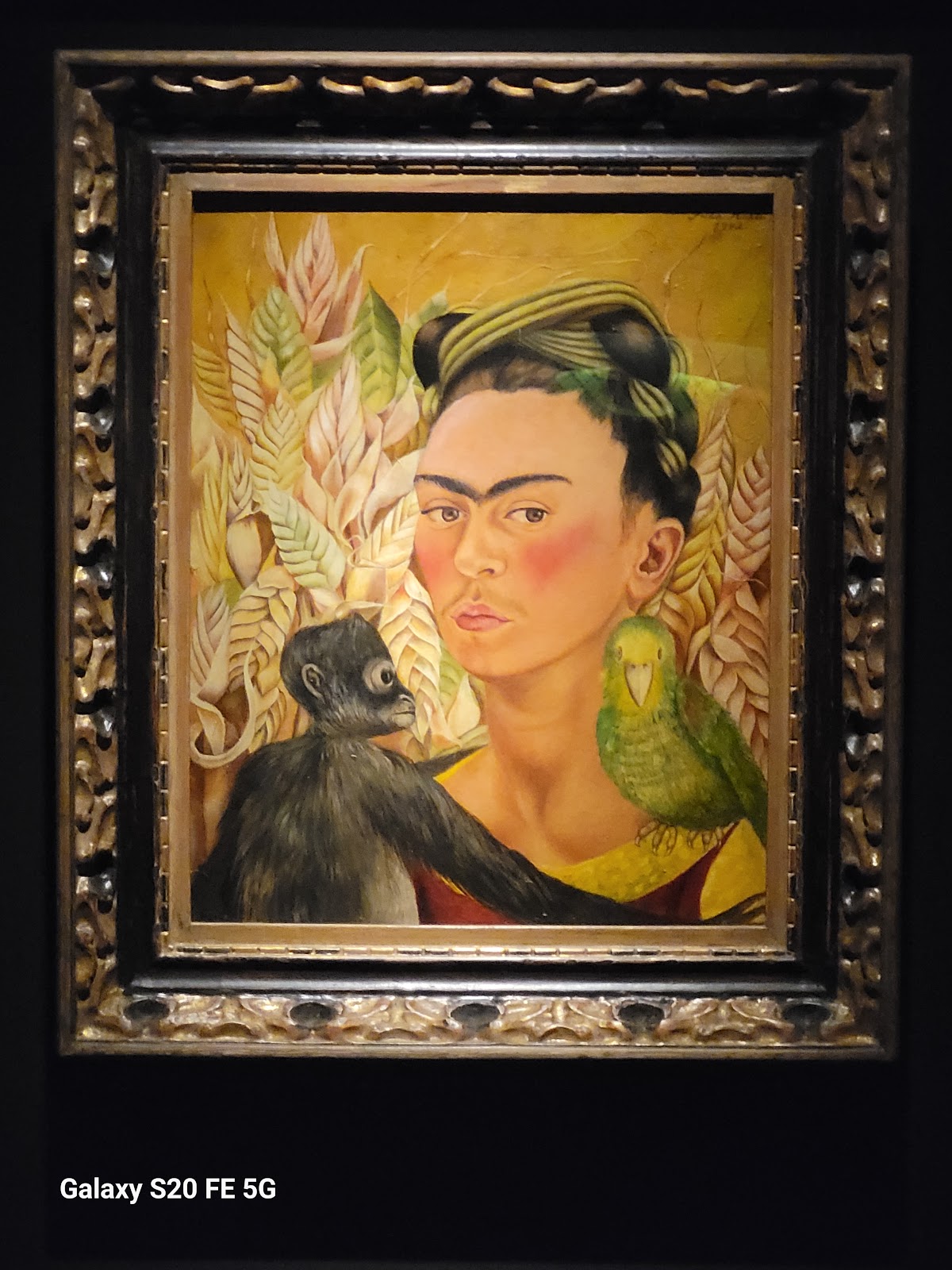
MALBA's collection, comprising approximately 600 works, features masterpieces by renowned Latin American artists. Among them is Frida Kahlo's 'Self-Portrait with Monkey and Parrot (Autorretrato con chango y loro),' a powerful representation of her inner world fused with Mexican cultural symbolism. This iconic work captures Kahlo's distinctive blend of personal narrative and vibrant cultural elements.
Another pivotal piece is Tarsila do Amaral's 'Abaporu,' a seminal work of Brazilian modernism that symbolizes the 'Antropofagia' (Cannibalism) movement. This painting embodies the Brazilian artistic spirit of absorbing European influences and reinterpreting them through a uniquely local lens. The collection also includes significant works by artists such as Xul Solar from Argentina, Joaquín Torres García from Uruguay, and Diego Rivera from Mexico, collectively illustrating the grand trajectory of Latin American art.
Exhibition Spaces and Visitor Experience
The museum's exhibition spaces are designed to guide visitors through the chronological and thematic development of Latin American art. Each floor often focuses on specific periods or movements, creating a cohesive narrative. The spacious, open galleries are optimized for art appreciation, with natural light enhancing the textures and colors of the artworks.
Beyond its permanent collection, MALBA hosts a variety of temporary exhibitions and cultural programs, including lectures, workshops, and film screenings. These initiatives aim to deepen public understanding of Latin American art and foster engagement with the local community, positioning MALBA as a vibrant cultural and educational hub.
Visitor Information
MALBA is open from Thursday to Monday, 12:00 to 20:00. On Wednesdays, it operates from 11:00 to 20:00, and it is closed on Tuesdays. General admission is 2,500 Argentine Pesos (ARS), with a 50% discount offered on Wednesdays. A visit typically lasts between 2 to 3 hours, allowing ample time to explore both the permanent collection and special exhibitions. Visitors are encouraged to check the official website for the most current information.
Visitor Info
| Admission | Translating |
| Hours | Translating |
| Location | Av. Pres. Figueroa Alcorta 3415, Buenos Aires |
| Getting There | Translating |
| Estimated Visit | 2~3hr |