UCCA Dune: Art Museum Above China's Bohai Bay
UCCA Dune: Art Museum Above China's Bohai Bay
UCCA Dune: An Architectural Journey into Bohai Bay's Sand Dunes
UCCA Dune Art Museum is located on the Bohai Bay beach in Beidaihe New District, Qinhuangdao, China. This unique museum, designed by OPEN Architecture, is nestled within the natural sand dunes, making it almost invisible from a distance. Its design concept integrates the building seamlessly into the landscape, appearing as a series of interconnected, cave-like spaces burrowed into the earth.
The museum is part of the 'Aranya' community, a cultural retreat whose name, derived from Sanskrit, signifies 'solitude.' Aranya aims to provide a space for reflection and connection with nature, away from the bustle of city life. UCCA Dune embodies this ethos, offering a profound architectural and artistic experience that harmonizes with its natural surroundings.
Design and Materiality: Organic Forms and Natural Light
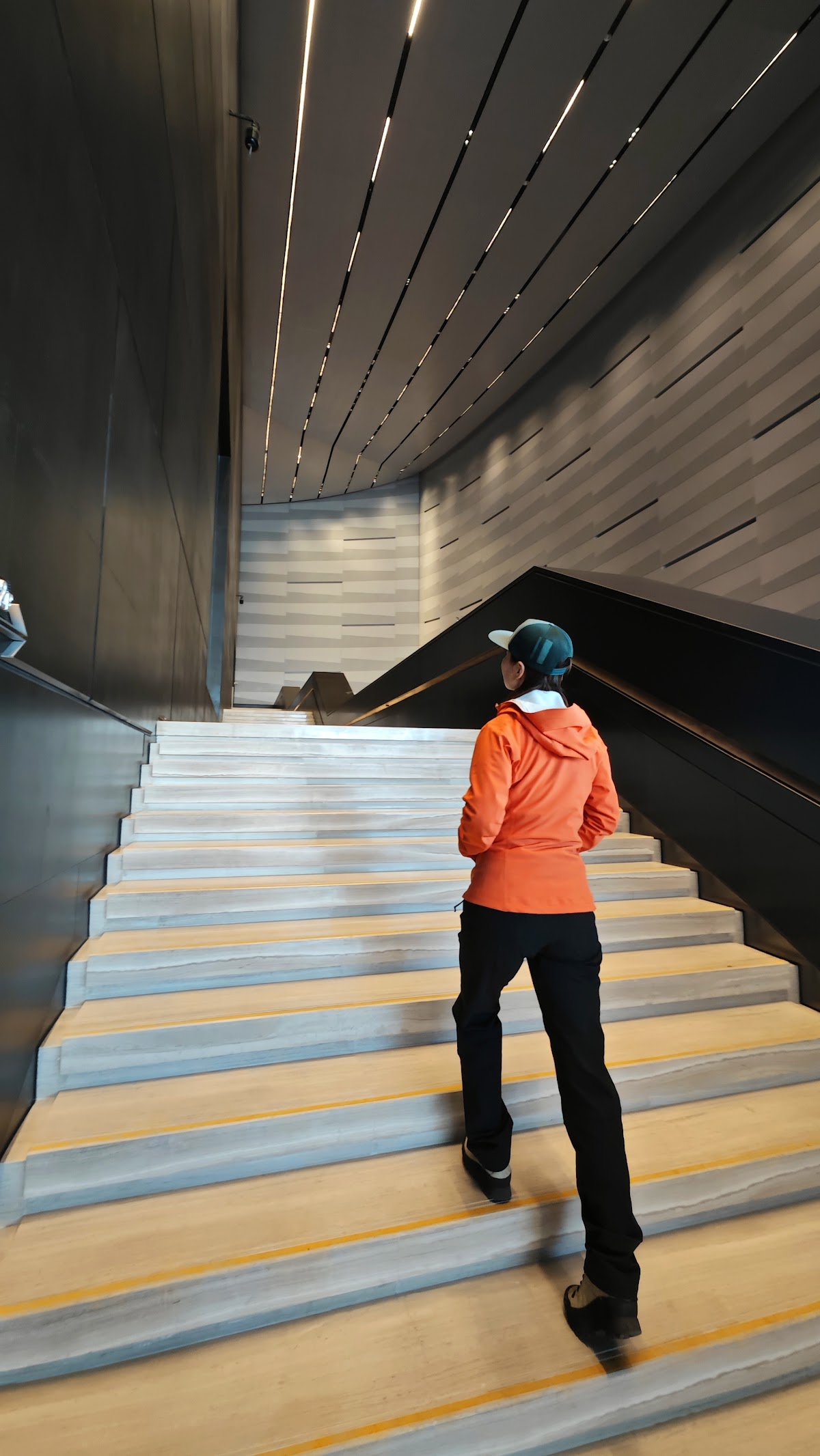
Stepping inside UCCA Dune is a transformative experience. The interior is characterized by its organic, curvilinear forms, with walls and ceilings sculpted from raw concrete and sand. These materials evoke the feeling of an ancient, naturally carved grotto, softened by the passage of time and the elements. The absence of straight lines creates a fluid, immersive environment that guides visitors through a labyrinthine journey.
A key feature of the museum's design is its masterful use of natural light. Various skylights and apertures of different shapes and sizes are strategically placed throughout the structure. These openings allow sunlight to penetrate the subterranean spaces, creating dynamic patterns of light and shadow that shift with the time of day and weather conditions. This interplay of light not only illuminates the artworks but also imbues the architecture itself with a sense of life and movement.
Interaction with the Sea: Framed Views and Artistic Dialogue
UCCA Dune maintains a constant dialogue with the Bohai Sea. Small, strategically placed windows and large panoramic openings frame breathtaking views of the ever-changing seascape. The blue waters and white waves become an integral part of the artistic experience, often resonating with the contemporary artworks on display. These framed vistas blur the boundaries between interior and exterior, art and nature.
The museum's exhibition program focuses on contemporary art, exploring themes such as the relationship between humans and nature, environmental contemplation, and new media art. The unique architectural forms and natural lighting enhance the impact of these works, creating a new dimension of artistic engagement. Installations utilizing light and shadow, for instance, gain a vibrant vitality when combined with the natural light filtering through the dune.
The Aranya Community: Beyond the Museum Walls
UCCA Dune is not an isolated structure but an integral part of the Aranya community. This community features distinctive architectural landmarks like the 'Seaside Church' and the 'Lonely Library,' all contributing to Aranya's artistic and nature-friendly lifestyle. The museum's direct connection to the beach allows visitors to seamlessly transition from art appreciation to a stroll along the vast sandy shores, deepening the contemplative experience.
Aranya also offers a diverse culinary scene, with restaurants and cafes serving fresh seafood, Western brunch, and trendy beverages. Popular spots like 'The Aranya Dining Hall' and 'Seaside Cafe' provide excellent dining options with scenic views. UCCA Dune, within this broader context, offers a holistic cultural experience that intertwines art, architecture, nature, and lifestyle.
Visitor Information
- Admission: 100 CNY for adults. Prices may vary for special exhibitions; checking the official website before visiting is recommended.
- Operating Hours: Tuesday to Sunday, 09:30-17:30. Closed on Mondays. Winter hours may be shorter, and schedules can change on public holidays or during special events.
- Location: Bohai Bay, Beidaihe New District, Qinhuangdao.
- Transportation: From Beijing South Railway Station, take a high-speed train to Qinhuangdao Station or Beidaihe Station (approx. 2 hours). From the station, a taxi ride to the museum takes about 30-40 minutes. Shuttle buses or electric vehicles are available within the Aranya community.
- Viewing Time: Approximately 1 hour 30 minutes to 2 hours 30 minutes.
- Reservations: Advance booking is highly recommended, especially on weekends, public holidays, or during popular exhibitions. Tickets can be purchased online via the UCCA Dune official WeChat account or website.
Visitor Info
| Admission | Adult 100 CNY |
| Hours | Translating |
| Location | Bohai Bay, Beidaihe New District, Qinhuangdao |
| Getting There | Translating |
| Estimated Visit | 1~2hr |