National Museum of Art Mexico: 500 Years of Latin American Art
National Museum of Art: 500 Years of Latin American Art
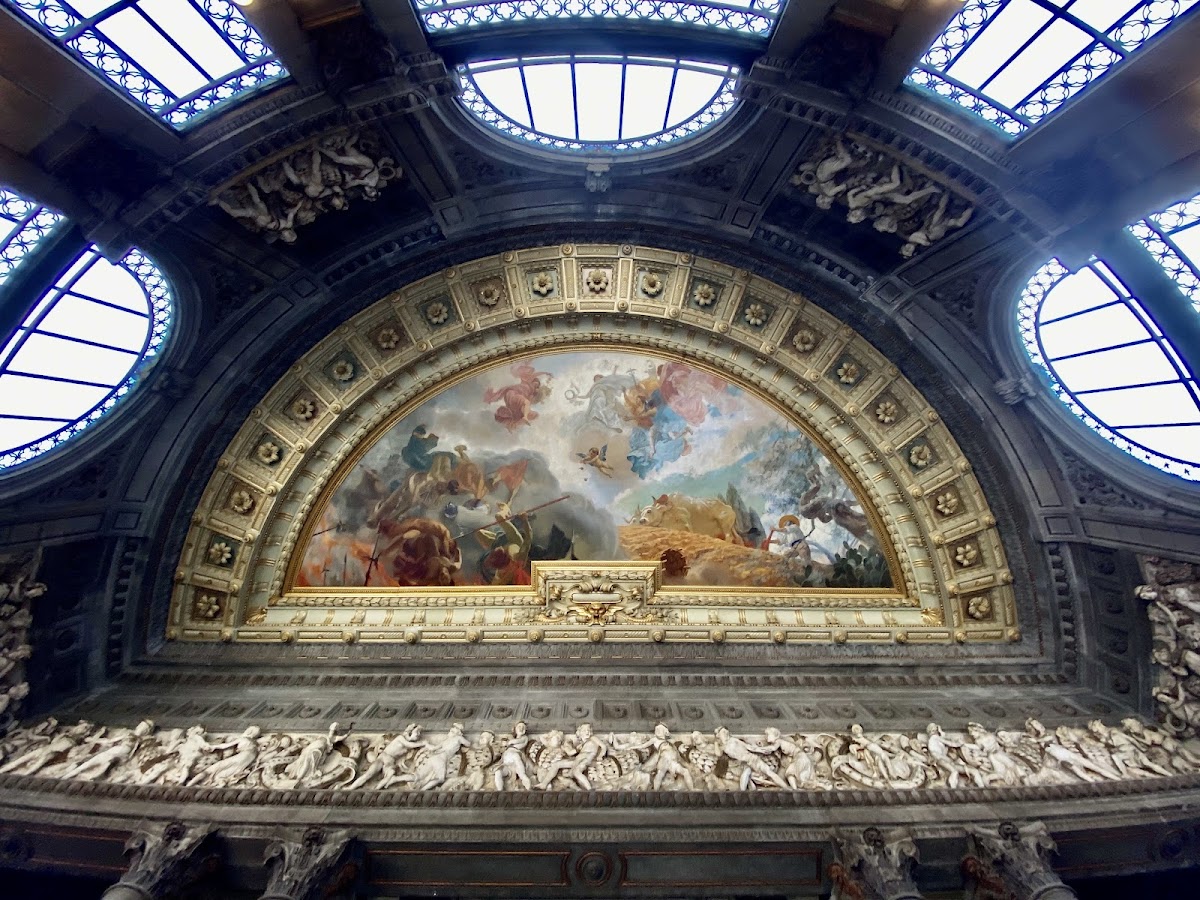
Stepping into the National Museum of Art, or MUNAL, in Mexico City is an experience that begins long before you even cross its threshold. The building itself, the majestic Palacio de la Comunicación, is a masterpiece of Neoclassical architecture, a grand sentinel overlooking the bustling Plaza Manuel Tolsá. Its imposing façade, adorned with intricate carvings and the equestrian statue of Carlos IV – affectionately known as "El Caballito" – sets a tone of gravitas and historical depth. This isn't just a museum; it's a monument to the nation's artistic soul, a testament to centuries of creative expression.
Inside, the sheer scale of the building is breathtaking. Sunlight streams through soaring arches and illuminates marble staircases, guiding you through a chronological journey that spans five centuries of Mexican art. My visit felt like walking through the very arteries of Mexico’s artistic evolution. From the early colonial religious works, often imbued with a fascinating blend of European technique and indigenous sensibility, to the vibrant, post-revolutionary murals and portraits of the early 20th century, MUNAL meticulously curates the narrative. You witness the shift from devout piety to burgeoning national identity, from academic rigidity to revolutionary fervor. Each gallery, with its high ceilings and carefully placed lighting, feels like a chapter unfolding. The architecture doesn't just house the art; it enhances it, providing a dignified and reflective space that allows each brushstroke and sculpted form to tell its own powerful story.
Museo Soumaya: A Curated Wonderland
From MUNAL's classical grandeur, I journeyed to the architectural marvel that is Museo Soumaya, a building that defies convention and captivates the eye from every angle. Its shimmering, undulating silver exterior, composed of thousands of hexagonal aluminum tiles, gleams under the Mexican sun, a futuristic beacon in the Polanco district. But beyond its dazzling skin lies a truly extraordinary collection, a testament to the eclectic vision of its founder.
The Soumaya isn't merely a museum; it's a treasure chest where diverse eras and styles converge in unexpected harmony. Ascending the spiral ramp that serves as the museum's spine, each floor reveals a new facet of human creativity. I found myself lingering among the world's largest private collection of Auguste Rodin sculptures outside of France, his tormented figures and passionate embraces rendered in bronze. Then, a turn would bring me face-to-face with works by European masters like Renoir, Monet, and Van Gogh, their vibrant canvases a delightful contrast to the classical forms. Yet, the museum also proudly showcases Mexican artistry, from colonial-era religious pieces to the works of muralists like Diego Rivera and Rufino Tamayo, presenting a dialogue between global and local narratives. It’s this audacious juxtaposition – a pre-Hispanic mask displayed near a European porcelain figurine, or a contemporary installation alongside a 19th-century landscape – that makes Soumaya such a singular experience. It encourages a fresh perspective, inviting visitors to find connections and appreciate beauty across all boundaries.
Museo Nacional de Antropología: Echoes of Ancient Worlds
My final stop, and perhaps the most profoundly impactful, was the Museo Nacional de Antropología (MNA), nestled within the verdant expanse of Chapultepec Park. This museum isn't just a collection of artifacts; it's a pilgrimage into the very heart of Mexico's pre-Hispanic identity, an eloquent testament to the ingenuity and complexity of ancient civilizations. Walking through its grand entrance, past the iconic "El Paraguas" (The Umbrella) fountain – a massive concrete structure that showers water into a central patio – I felt a palpable sense of awe and anticipation.
What struck me most was the MNA's sheer scale and meticulous presentation. Each hall, dedicated to a specific ancient culture – Olmec, Maya, Aztec, Teotihuacan, Zapotec, Mixtec – effectively transports you through time. I spent hours mesmerized by the colossal Olmec heads, their enigmatic expressions speaking across millennia. The intricate carvings of the Maya, revealing sophisticated calendars and mythologies, left me breathless. And then, there was the monumental Sun Stone, the Aztec calendar, a masterpiece of cosmological understanding and artistic execution, commanding reverence in its dedicated chamber. It wasn’t just observing history; it was feeling its weight, connecting with the hands that shaped these stones. This museum profoundly reminds one of the rich tapestry of human civilization that flourished long before Europeans, offering unparalleled insight into the foundational cultures still shaping Mexico today. It’s a place that stirs the soul, leaving an indelible mark on your understanding of humanity’s creative journey.
Practical Tips for Your Mexico City Museum Journey
To make the most of your cultural exploration in Mexico City, here are a few practical pointers:
- Timing is Key: Aim to visit on weekdays, preferably in the morning, to avoid crowds. Weekends, especially Sundays, can be very busy, and many museums offer free entry to Mexican citizens and residents on Sundays.
- Comfortable Footwear: You'll be doing a lot of walking! Comfortable shoes are non-negotiable for navigating these expansive institutions.
- Hydration and Snacks: While most museums have cafes, carrying a water bottle is always a good idea. Some allow small snacks in designated areas, but check policies.
- Photography: Most museums permit non-flash photography for personal use, but always look for signage or ask staff. Tripods and professional equipment usually require special permits.
- Transportation: Mexico City’s Metro system is efficient and affordable for reaching many attractions. Alternatively, ride-sharing apps like Uber are widely available and convenient.
- Entry Fees: Expect varying entry fees, generally ranging from 80-100 Mexican Pesos per museum. Student and senior discounts are often available with valid ID.
- Audio Guides: Consider renting audio guides where available. They often provide invaluable context and deeper insights into the collections.
Visitor Info
| Admission | Adult 85 MXN (Sun요Sun Free) |
| Hours | Tue-Sun 10:00-17:30 (Closed Mon) |
| Location | Tacuba 8, Centro Historico, 06010 CDMX |
| Getting There | 메트로 2 Line Bellas ArtesStn walk 5min |
| Estimated Visit | 2~3hr |
