War Remnants Museum: Facing the Truth of War in Ho Chi Minh City
Museum of Traditional Vietnamese Medicine: A Wooden Sanctuary of Ancient Wisdom
Amidst the relentless buzz of Ho Chi Minh City, I found an unexpected haven of tranquility and profound history: the Museum of Traditional Vietnamese Medicine, affectionately known as FITO Museum. Stepping through its doors felt less like entering a museum and more like embarking on a journey back in time, enveloped by the serene embrace of masterfully crafted wood. The entire five-story structure is an architectural marvel, a testament to traditional Vietnamese design reimagined with a contemporary sensibility. Red-tiled roofs, dark, polished timber, and intricate carvings greeted me at every turn. Each wooden column, every hand-carved staircase, seemed to whisper tales of bygone eras and the enduring legacy of Vietnamese craftsmanship. The air inside carried a subtle, earthy scent, perhaps of old wood and dried herbs, adding to the immersive experience. It felt like a living, breathing organism, organically connecting one floor to the next through a labyrinth of beautifully carved corridors. Far from the city's concrete jungle, this space offered a peaceful communion with nature's elements and the quiet wisdom of centuries of healing practices. The building itself is the primary exhibit, an elegant, multi-layered wooden sculpture that cradles the precious artifacts within, from ancient medicinal tools to rare herbal remedies, all while maintaining an aura of calm reflection.
War Remnants Museum: An Unflinching Gaze into Conflict's Scars
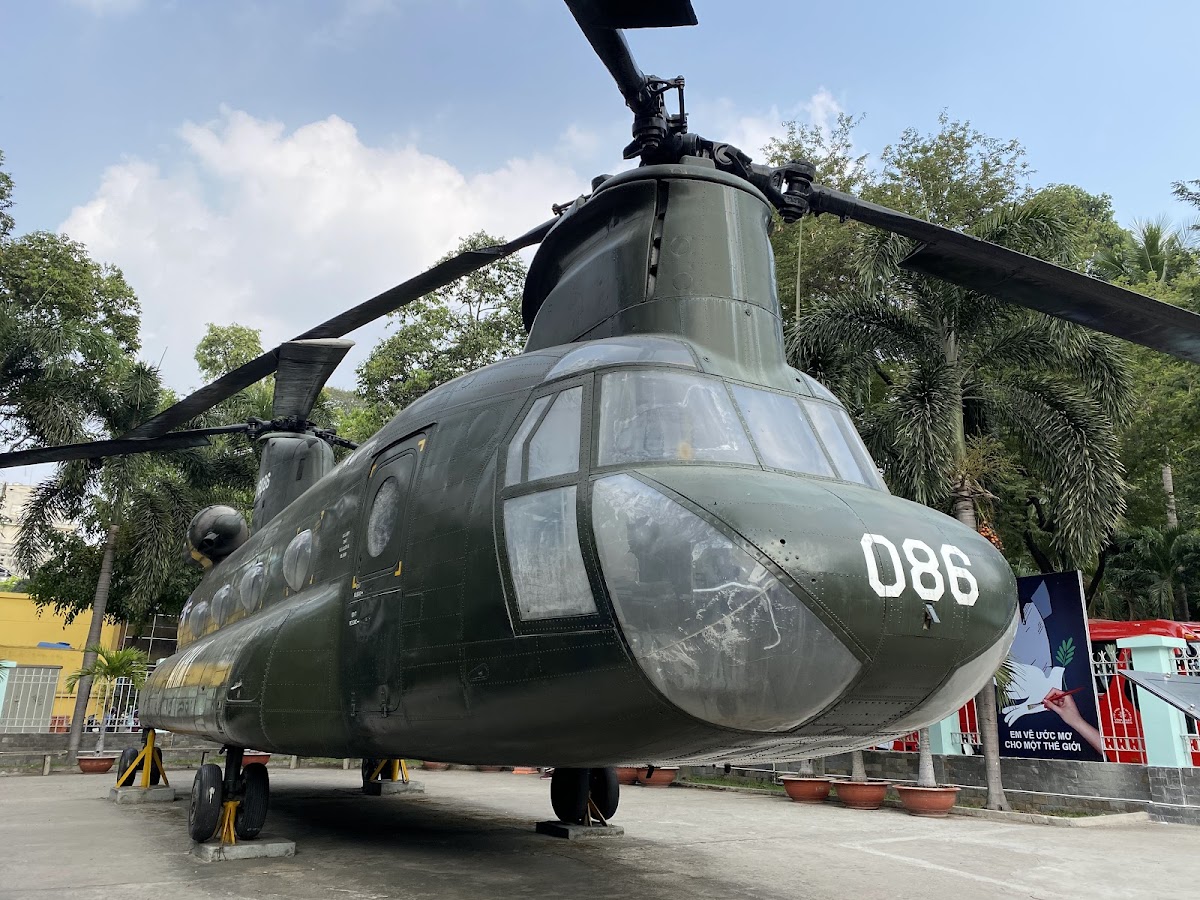
There are museums that educate, and then there are museums that fundamentally shift your perspective. The War Remnants Museum falls squarely into the latter category. From the moment I approached, the outdoor display of actual military hardware—tanks, helicopters, and artillery pieces—set a somber tone, a stark prelude to the harrowing narratives inside. This museum is not for the faint of heart, nor does it shy away from the brutal realities of the Vietnam War. Each gallery felt like a punch to the gut, particularly the sections dedicated to the victims of Agent Orange. The photographs, often taken by journalists who bravely documented the conflict, depicted the profound suffering and lingering genetic devastation with an unflinching honesty that brought tears to my eyes. The "Requiem" exhibition, showcasing the work of photojournalists, many of whom paid the ultimate price, offered a raw, human perspective on the conflict that transcended political rhetoric. Walking through the recreated "tiger cages" used to imprison political dissidents, I felt a chilling echo of human cruelty. This museum is an emotional crucible, forcing visitors to confront the unimaginable cost of war, not just in terms of lives lost, but in the enduring scars left on individuals, families, and the environment. It's a vital, albeit deeply painful, experience that fosters a profound sense of empathy and a desperate hope for lasting peace.
The Factory Contemporary Arts Centre: Where Saigon's Creative Pulse Thrives
Seeking out the vibrant, modern pulse of Ho Chi Minh City's art scene led me to The Factory Contemporary Arts Centre, a dynamic space nestled away from the downtown bustle, almost like a hidden gem waiting to be discovered. Located in what feels like a repurposed industrial warehouse, the centre immediately impressed me with its raw, minimalist aesthetic: exposed concrete, high ceilings, and an abundance of natural light that filtered through, illuminating the artworks with an almost reverent glow. This wasn't a stuffy, traditional gallery; it was a living, breathing hub for contemporary Vietnamese and international art. The exhibitions I encountered were diverse and thought-provoking, ranging from striking multimedia installations that challenged perceptions to intricate sculptures and vibrant paintings that explored themes of identity, society, and the environment. What stood out was the sense of experimentation and the willingness to push boundaries. The Factory is more than just a display space; it’s a catalyst for artistic dialogue, hosting workshops, talks, and performances that invite active engagement. The on-site café, a stylish haven of calm, provided the perfect spot for reflection after immersing myself in the art. It's a place where new ideas are forged, where artists find a platform, and where visitors can truly connect with the evolving narrative of contemporary Vietnamese culture.
Practical Tips
Museum of Traditional Vietnamese Medicine (FITO Museum): Located at 85 Hoang Van Thu, Phu Nhuan District. Open daily from 8:30 AM to 5:00 PM. Admission is around 120,000 VND. Allow 1-1.5 hours. Easily accessible by Grab car or motorbike taxi.
War Remnants Museum: Found at 28 Vo Van Tan, District 3. Open daily from 7:30 AM to 5:30 PM (closed for lunch 12:00 PM-1:30 PM). Admission is approximately 40,000 VND. Plan for at least 2-3 hours, as it is emotionally taxing. Consider visiting earlier in the day to avoid peak crowds and allow yourself time to process.
The Factory Contemporary Arts Centre: Situated at 15 Nguyen U Di, Thao Dien, District 2. Opening hours typically Tuesday to Sunday, 10:00 AM to 7:00 PM (check their website for specific exhibition hours and public holidays). Admission varies depending on the exhibition, usually around 50,000-70,000 VND. It's a bit further out, so a Grab ride is recommended. Enjoy their excellent café for a post-art reflection.
General Tip: Ho Chi Minh City traffic can be intense, so utilize the Grab app for reliable and affordable transport. Carry Vietnamese Dong (VND) for entrance fees and small purchases, though credit cards are accepted at some larger venues. Stay hydrated, especially during the warmer months!
Visitor Info
| Admission | 40,000 VND (약 2,200원) |
| Hours | Daily 07:30-18:00 |
| Location | 28 Vo Van Tan, District 3, Ho Chi Minh City |
| Getting There | 벤탄 시장 from walk 15min |
| Estimated Visit | 2~3hr |

