Royal Ontario Museum: From Dinosaurs to Gems in Toronto
Royal Ontario Museum: From Dinosaurs to Gems in Toronto
Royal Ontario Museum: A Landmark in Toronto's Cultural Landscape
The Royal Ontario Museum (ROM) stands as a prominent cultural institution at 100 Queens Park, Toronto, Canada. Directly accessible from the Museum subway station, it is strategically located amidst the Ontario Legislative Building and the University of Toronto's St. George Campus, forming a vibrant cultural and educational hub. The museum's architecture is a striking blend of its original 1914 Romanesque Revival building and the contemporary 'Michael Lee-Chin Crystal' extension, designed by Daniel Libeskind.
A Century of Exploration: From 1914 to the Present
Opened on March 19, 1914, the ROM was established through a collaboration between the Government of Ontario and the University of Toronto. Its initial focus encompassed natural history and world cultures, aiming to provide educational and cultural experiences to the public. Over the decades, the museum expanded its collections and facilities, becoming an independent entity in 1968 while maintaining strong ties with academia.
Vast Collections: Over 100,000 Artifacts
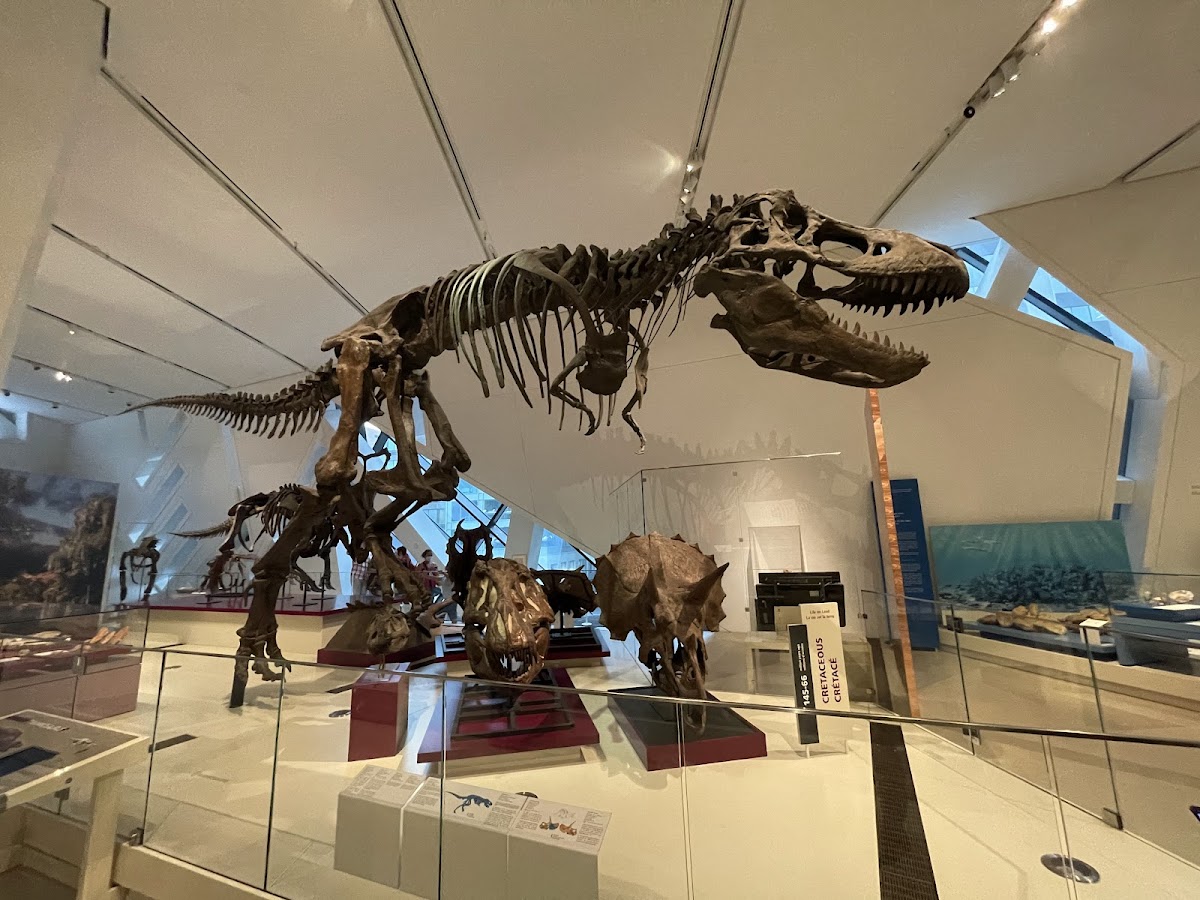
The ROM boasts a vast collection of over 100,000 artifacts, spanning natural history, cultural history, and art. Its natural history exhibits feature ancient dinosaur fossils, minerals, gems, and insect specimens, with the 'Dinosaur Age' gallery being a major highlight. The 'Teck Suite of Galleries: Earth's Treasures' showcases a stunning array of minerals and precious gemstones from around the globe.
In cultural history and art, the museum houses artifacts and artworks from various civilizations across Africa, Asia, Europe, and the Americas. Notable collections include Chinese art, particularly the recreated Ming Dynasty temple in the 'Chinese Architecture Gallery,' and ancient Egyptian mummies and funerary objects in the 'Egyptian Galleries.' Indigenous Canadian art and historical artifacts also form a significant part of the collection, offering a comprehensive view of human civilization and the natural world.
Daniel Libeskind's Architectural Vision: The Michael Lee-Chin Crystal
The 'Michael Lee-Chin Crystal,' completed in 2007 as part of a major expansion, is a defining feature of the ROM. Designed by Daniel Libeskind, known for his deconstructivist style, the Crystal dramatically protrudes from the original heritage building. Its angular, geometric forms, clad in glass and aluminum panels, symbolize mineral crystals, linking to the museum's natural history focus. This bold architectural statement has redefined the museum's identity and become an iconic part of Toronto's skyline.
Inside the Crystal: Light, Space, and Dynamic Flow
Beyond its exterior, the Crystal transforms the interior experience. Slanted walls, asymmetrical corridors, and abundant natural light create a dynamic and engaging environment. Visitors navigate through unique spaces, encountering exhibits from unexpected angles and enjoying framed views of the Toronto cityscape. The central 'Spirit House' atrium, a multi-story open space, exemplifies Libeskind's mastery of light and shadow, offering a constantly changing ambiance as natural light filters through the Crystal's facets.
Key Collections: Dinosaurs, Gems, and World Cultures
The ROM's paleontological collection is a major draw, featuring colossal dinosaur skeletons from North America, including Tyrannosaurus Rex and Triceratops. The 'Dinosaur Age' gallery provides scientific insights into dinosaur evolution and extinction. The 'Teck Suite of Galleries: Earth's Treasures' displays over 2,000 mineral specimens and 100 pieces of jewelry, illustrating Earth's geological history and the beauty of its natural resources.
The 'World Cultures Galleries' present a global journey through human civilization. The 'Chinese Architecture Gallery' is North America's largest collection of Chinese architectural artifacts, featuring a recreated Ming Dynasty temple. The 'Egyptian Galleries' house mummies, sarcophagi, and funerary objects. Other galleries explore Roman, Greek, Middle Eastern, and Indigenous American cultures, showcasing the diversity of human artistic expression and historical development.
Visitor Information
- Admission: Adults CAD 23, Students CAD 18. Free admission on Tuesdays after 6:00 PM.
- Operating Hours: Tuesday to Sunday, 10:00 AM - 5:30 PM. Closed on Mondays. Hours may vary seasonally; checking the official website is recommended.
- Location: 100 Queens Park, Toronto, ON M5S 2C6.
- Transportation: Directly connected to Museum Station on the Toronto subway.
- Estimated Visit Time: Approximately 3-4 hours.
Visitor Info
| Admission | Translating |
| Hours | Translating |
| Location | 100 Queens Park, Toronto, ON M5S 2C6 |
| Getting There | Translating |
| Estimated Visit | 3~4hr |