Deutsches Museum Munich: World's Largest Science Museum
Deutsches Museum Munich: World's Largest Science Museum
Deutsches Museum Munich: A Monument to Science and Technology
On June 16, 2026, our expedition led us to the Deutsches Museum, situated on Museumsinsel (Museum Island) in the heart of Munich, Germany. This colossal institution, one of the world's oldest and largest science and technology museums, stands as a testament to human ingenuity. Its address is Museumsinsel 1, 80538 Munich, easily accessible from the city center.
The museum's grand facade, constructed from red brick and stone, evokes the image of a fortress safeguarding centuries of scientific advancement. Inside, vast halls and towering ceilings house over a million artifacts, spanning aerospace, maritime, energy, and medicine. Founded in 1903 by engineer Oskar von Miller, the museum's mission extends beyond mere exhibition; it aims to vividly illustrate humanity's journey of understanding nature, creating tools, and transforming life.
Interactive Exhibitions and Key Collections
A defining feature of the Deutsches Museum is its interactive approach. Visitors are encouraged to engage directly with exhibits, pressing buttons, turning levers, and witnessing scientific principles in action. This hands-on experience transforms complex theories into tangible phenomena, making science accessible and exciting for all ages.
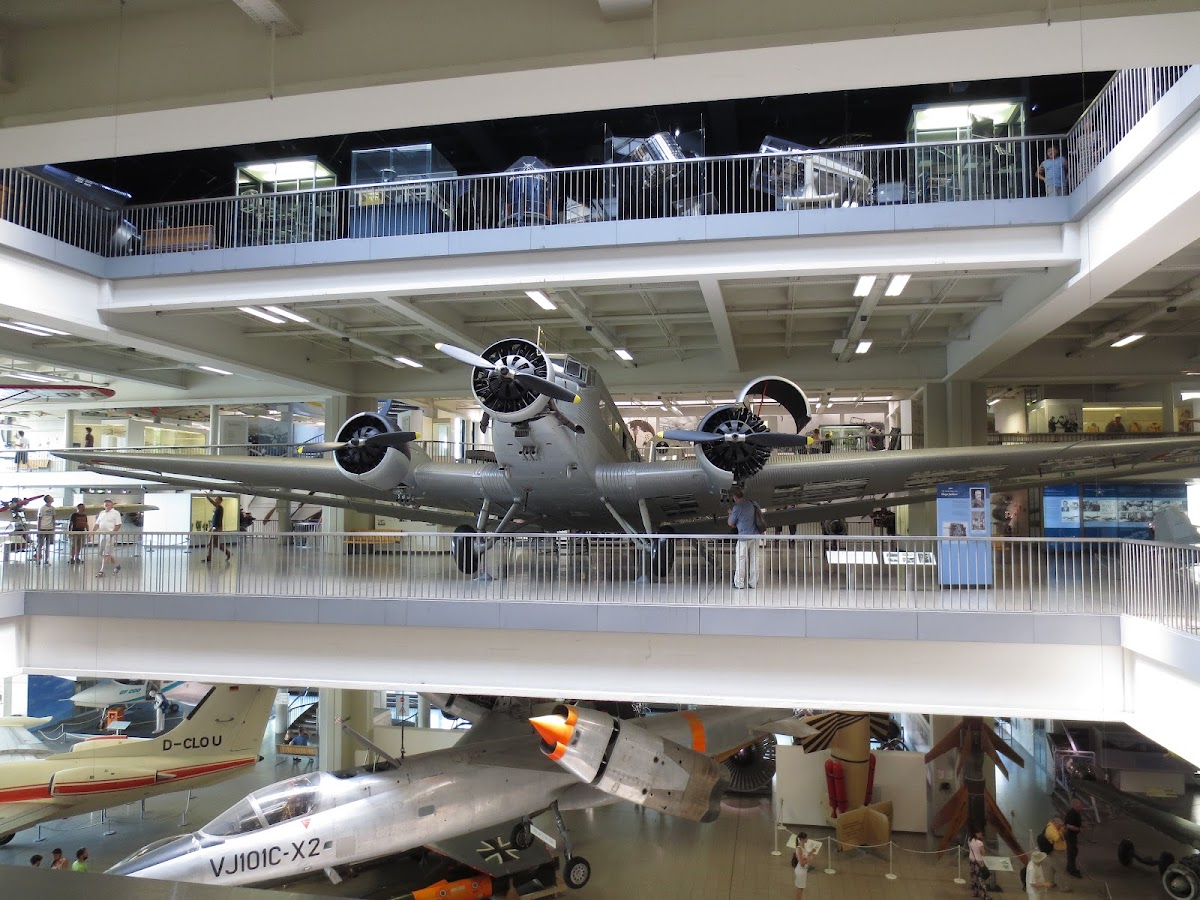
Among its extensive collections, the Aerospace and Maritime Technology halls are particularly striking. The Aerospace section features actual aircraft, gliders, and hot air balloons suspended overhead, narrating humanity's quest for flight from early models to modern jets. The Maritime Technology hall showcases real submarines and large ship models, alongside intricate navigation and deep-sea exploration equipment, including a walk-through exhibit of a World War II U-boat interior, offering a glimpse into naval life.
Planning Your Visit
Given its immense scale, a visit to the Deutsches Museum typically requires 4 to 6 hours. Planning your route based on personal interests is recommended. The museum is open daily from 9:00 AM to 5:00 PM, though it closes on certain public holidays (e.g., January 1, May 1, December 24-25, 31). Admission is 15 Euros for adults and 8 Euros for students, with free entry for children under 6.
The museum is well-connected by public transport: a 10-minute walk from U1/U2 Fraunhoferstrasse station, or a 5-minute walk from S-Bahn Isartor station. Tram line 16 stops directly at 'Deutsches Museum'. While advance booking is not mandatory for individual visitors, it is advisable for weekends, holidays, or special exhibitions, and essential for group visits. Nearby attractions include the Viktualienmarkt for local food and the Hofbräuhaus for traditional Bavarian cuisine and beer.
Visitor Info
| Admission | Translating |
| Hours | Daily 09:00-17:00 |
| Location | Museumsinsel 1, 80538 Munich |
| Getting There | Translating |
| Estimated Visit | Translating |