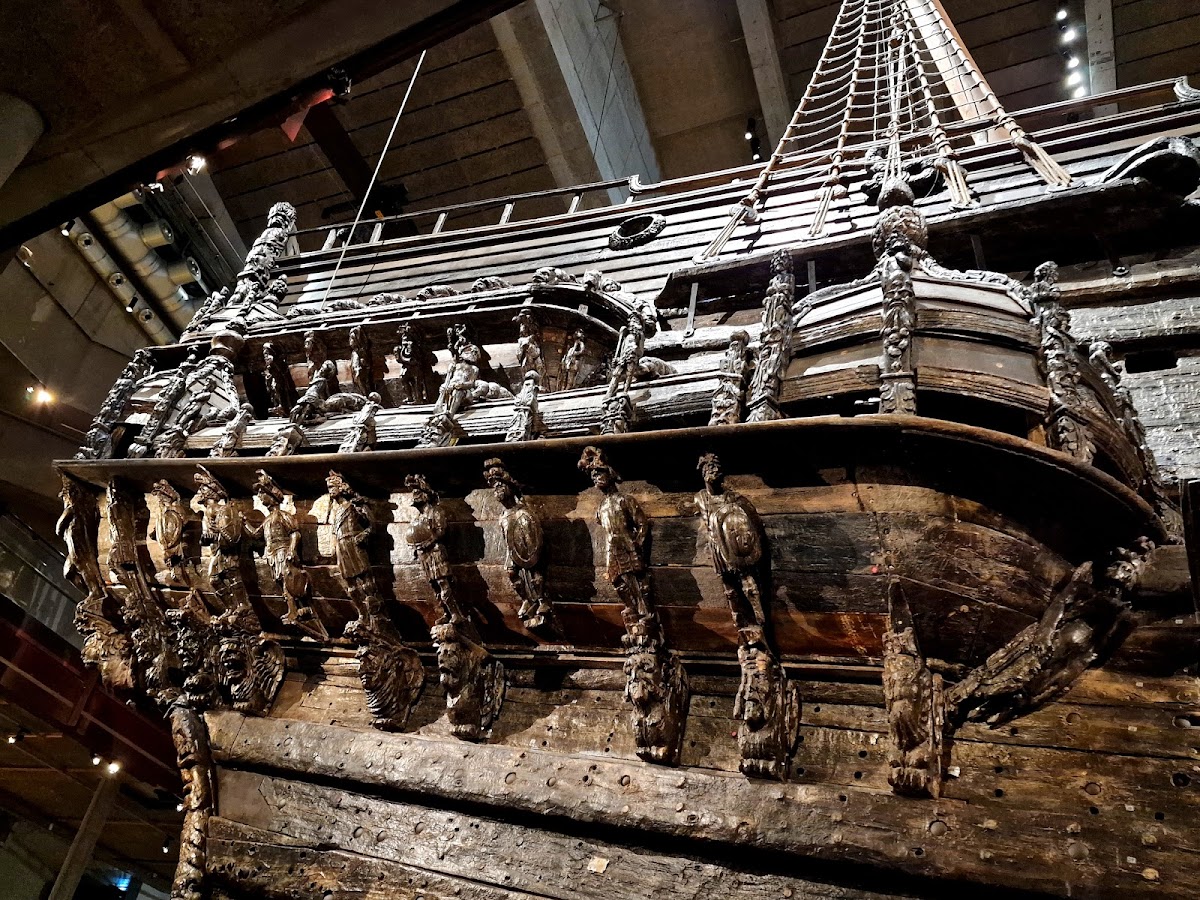
Vasa Museum: Stockholm, Resurrection of a Sunken Warship
Vasa Museum: Stockholm, Resurrection of a Sunken Warship
Vasa Museum: Stockholm's 17th-Century Warship
The Vasa Museum, located on Djurgården island in Stockholm, Sweden, houses the incredibly preserved 17th-century warship Vasa. This vessel, commissioned by King Gustav II Adolf in 1628, was intended to be a symbol of Sweden's naval power. However, it tragically sank on its maiden voyage just minutes after setting sail from Stockholm harbor, due to design flaws. The ship lay submerged in the Baltic Sea for 333 years, its wooden structure remarkably preserved by the low salinity and muddy seabed.
Salvaged in 1961, the Vasa underwent decades of meticulous preservation using polyethylene glycol (PEG) to prevent decay and shrinkage. The museum, which opened in 1990, showcases the ship in its near-complete form, surrounded by exhibits detailing its construction, sinking, salvage, and preservation. Thousands of artifacts found with the ship offer insights into 17th-century Swedish life and maritime technology. Visitors can explore the ship from multiple levels, gaining a comprehensive view of its grandeur and the historical context of its brief but impactful existence. The museum is a testament to both human ambition and the scientific efforts required to preserve historical treasures.
Skansen Open-Air Museum: A Living History of Sweden
Also situated on Djurgården island, Skansen is the world's first open-air museum, founded in 1891 by Artur Hazelius. This expansive museum offers a unique journey through Sweden's past, featuring over 150 historical buildings transported from various regions across the country. These structures, ranging from 18th-century farmhouses to 19th-century urban dwellings, glassworks, and bakeries, vividly recreate Swedish life from the 18th to the early 20th century.
Skansen is more than just a collection of buildings; it is a living museum where costumed interpreters demonstrate traditional crafts and daily life, allowing visitors to experience history firsthand. The museum also includes a zoo dedicated to Nordic wildlife, such as reindeer, wolves, and bears, set in natural enclosures. Seasonal events and traditional festivities further enhance the immersive experience, making Skansen a dynamic and educational destination for all ages. It provides a peaceful escape from the city, offering a glimpse into Sweden's cultural heritage amidst beautiful natural surroundings.
ABBA The Museum: Celebrating a Pop Phenomenon
Completing the trio of major attractions on Djurgården island is ABBA The Museum, which opened its doors on May 7, 2013. This interactive museum is dedicated to the legendary Swedish pop group ABBA, celebrating their music, history, and enduring legacy. It offers an immersive experience, allowing fans to delve into the world of Agnetha, Björn, Benny, and Anni-Frid.
The museum's collection includes over 700 items, such as ABBA's iconic stage costumes, gold records, and previously unseen photographs. Visitors can engage with interactive exhibits, including virtual reality experiences where they can 'sing' with the band or dance on a simulated stage, bringing ABBA's vibrant energy to life. The museum also chronicles the group's journey from their early days to their Eurovision victory and global superstardom, featuring studio recreations and personal interviews. ABBA The Museum is a must-visit for fans and anyone interested in the cultural impact of one of the world's most successful pop groups, providing a fun and engaging exploration of their musical journey.
Visitor Information for Djurgården Museums
- Vasa Museum: Adult admission is 190 SEK, free for under 18s. Open daily 10:00-17:00 (extended hours in summer).
- Skansen Open-Air Museum: Adult admission is 220 SEK, 80 SEK for children (6-15), free for under 6s. Opening hours vary seasonally; check the official website.
- ABBA The Museum: Adult admission is 250 SEK, 100 SEK for children (7-15), free for under 7s. Open daily 10:00-18:00 (extended hours in summer). Online booking is highly recommended due to popularity.
- Transportation: All three museums are located on Djurgården island and are easily accessible by Tram Line 7, various bus routes, or ferry from central Stockholm.
Visitor Info
| Admission | Translating |
| Hours | Translating |
| Location | Galarvarvsvagen 14, 115 21 Stockholm |
| Getting There | Translating |
| Estimated Visit | 2~3hr |