Hiroshima Peace Memorial Museum: A Warning to Humanity
Hiroshima Peace Memorial Museum: A Warning to Humanity
Hiroshima Peace Memorial Museum: A Testament to Peace
The Hiroshima Peace Memorial Museum is located at 1-2 Nakajimacho, Naka-ku, Hiroshima. Situated at the southern end of the Peace Memorial Park, it stands in direct alignment with the A-Bomb Dome to the north. This central location, once the bustling Nakajima district, was completely obliterated by the atomic bomb and subsequently transformed into a park dedicated to peace. The museum's architecture is modern yet harmonizes with the park's tranquil environment, nestled near the Motoyasu River, a tributary of the Ota River.
August 6, 1945: The First Atomic Bombing
On August 6, 1945, at 8:15 AM, Hiroshima became the site of the world's first atomic bomb attack. This single weapon devastated the entire city in mere seconds, bringing all urban functions to a halt and claiming countless lives. The museum meticulously documents this tragic event, presenting the historical facts with solemn clarity. It serves as a stark reminder of the catastrophic power of nuclear weapons and their devastating impact on humanity.
Established 1955: Witnessing Tragedy, Advocating for Peace
The Hiroshima Peace Memorial Museum opened in 1955, a decade after the bombing. It was established as a symbol of Hiroshima's reconstruction as a City of Peace, advocating for nuclear disarmament and global peace. The museum's purpose is to honor the victims and educate the world about the horrors of nuclear warfare, urging future generations to prevent such tragedies. Its exhibits focus on factual presentation, allowing the artifacts themselves to convey powerful messages without exaggeration.
Exhibition Flow: From Daily Life to Devastation
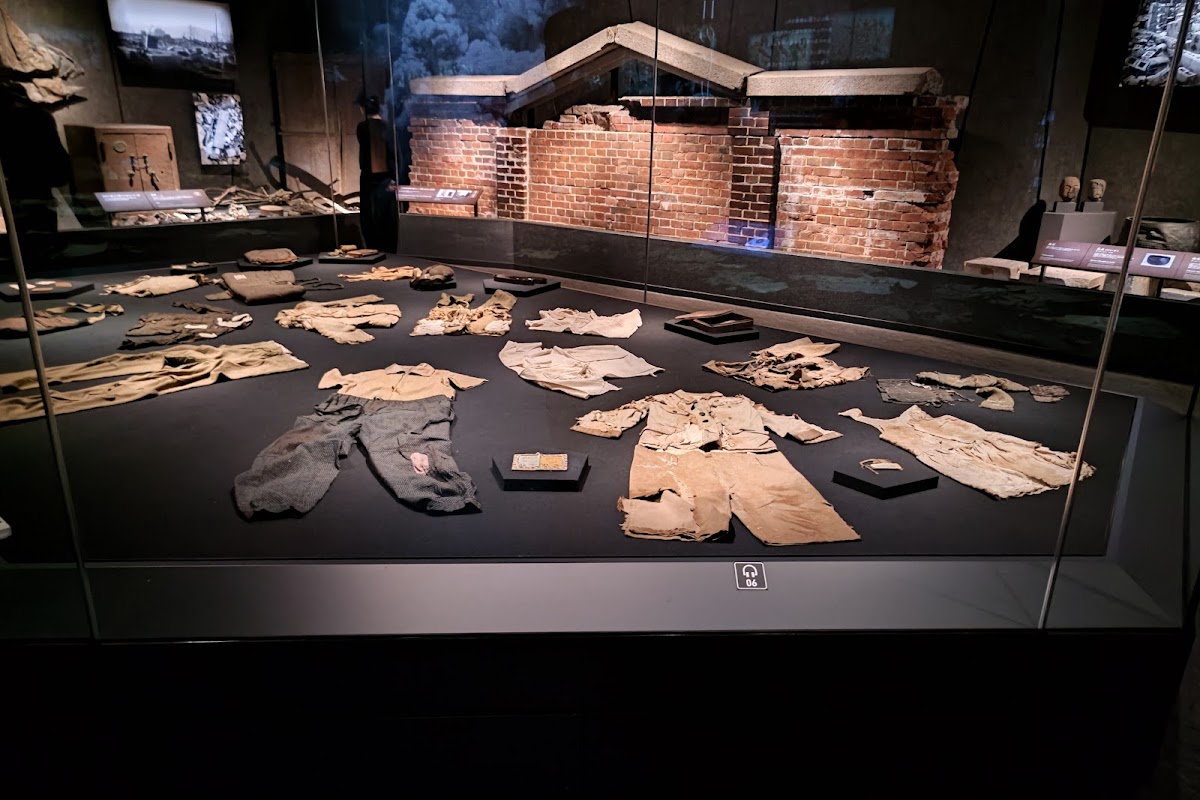
The museum's exhibition journey begins by showcasing Hiroshima before the bombing, with photographs and records of vibrant streets and ordinary lives. This provides a poignant contrast to the subsequent sections depicting the immediate aftermath of the attack. Visitors witness the city's sudden and brutal destruction, understanding the profound loss of a once-thriving community. The exhibits then transition to the horrific scenes following the blast, displaying melted glass bottles, a twisted tricycle, and other personal belongings of the victims.
Artifact Collection: Frozen Time and Silent Testimonies
Key to the museum's collection are the personal artifacts left by the victims. A child's scorched lunchbox, a melted bicycle, and a wristwatch stopped at 8:15 AM each tell a silent, harrowing story. These items are more than mere remnants; they are powerful witnesses to countless lives and untold suffering. They underscore that nuclear weapons are not just tools of war, but instruments that destroy human life and culture, leaving an indelible mark on history.
Records of Survivors: Black Rain, Keloid Scars, and Shadows
The museum also documents the profound human suffering caused by the bomb. Life-sized illustrations depict the clothing patterns burned onto victims' bodies by the intense heat rays. Detailed explanations describe the 'black rain' – radioactive fallout – and the keloid scars that disfigured survivors. The 'human shadows' etched into stone steps symbolize the instantaneous vaporization of individuals, serving as a chilling testament to the blast's power. These records emphasize the lasting physical and emotional toll of the atomic bomb.
Survivor Testimonies and Messages of Peace
Video testimonies from atomic bomb survivors offer firsthand accounts of extreme pain and resilience. Their emotional narratives serve as a powerful plea for peace, reminding visitors of the human cost of war. The final section of the exhibition showcases messages of peace from children worldwide, offering a glimmer of hope amidst the tragedy. This space encourages visitors to reflect on their responsibility in fostering a world free from nuclear weapons.
Hiroshima Prefectural Art Museum: Art Amidst Serenity
The Hiroshima Prefectural Art Museum, established in 1968, is located at 2-22 Kaminoborichō, Naka Ward, Hiroshima, adjacent to Shukkei-en Garden, one of Japan's three most famous gardens. The museum's modern design, utilizing concrete, glass, and natural light, creates an open and airy interior. Its exterior blends seamlessly with the surrounding greenery, with architectural features that visually connect the museum to the garden, making it feel like an extension of nature itself.
Collection and Exhibition Flow: Local Artists and Global Masters
The museum's collection highlights works by artists from the Hiroshima region, alongside Japanese modern and contemporary art, and Western masterpieces. The exhibition flow is designed for natural progression, allowing visitors to appreciate the diverse range of artistic expressions. Lighting in the galleries is carefully calibrated to enhance the colors and textures of the artworks, with ample space provided for immersive viewing. The museum aims to promote regional culture while offering a broad artistic perspective.
Architectural Aesthetics: Light, Shadow, and a Rooftop Garden
Beyond its exhibitions, the museum's stairwells and lobby areas are designed as works of art, playing with light and shadow. High ceilings and large windows allow natural light to transform the interior atmosphere throughout the day. A rooftop garden offers panoramic views of Hiroshima city and Shukkei-en Garden, providing a unique vantage point to appreciate the interplay of urban landscape, nature, and art. The museum itself offers an architectural experience that encourages contemplation and relaxation.
Hiroshima Peace Memorial Museum Visitor Information
- Admission: Adults ¥200, high school students ¥100, junior high school students and younger free.
- Operating Hours: March-July: 8:30 AM - 6:00 PM; August: 8:30 AM - 7:00 PM (until 8:00 PM during Obon); September-November: 8:30 AM - 6:00 PM; December-February: 8:30 AM - 5:00 PM. Last entry 30 minutes before closing. Closed December 30-31. Checking the official website for current hours is recommended.
- Transportation: From Hiroshima Station, take streetcar Line 2 or 6 to 'Genbaku Dome-mae' (原爆ドーム前) stop (approx. 15 min walk to the Peace Memorial Park entrance). Buses are also available from Hiroshima Station.
- Reservations: Individual visitors do not require reservations. Group visitors are advised to book in advance. Korean audio guides are available for rent.
Hiroshima Prefectural Art Museum Visitor Information
- Admission: Permanent exhibition: Adults ¥510, university students ¥310, high school students and younger free. Special exhibition fees vary. A combined ticket for the permanent exhibition and Shukkei-en Garden is available.
- Operating Hours: 9:00 AM - 5:00 PM (Fridays until 7:00 PM). Last entry 30 minutes before closing. Closed Mondays (or the following weekday if Monday is a holiday) and during the year-end/New Year period. Checking the official website for current hours is recommended.
- Transportation: From Hiroshima Station, take streetcar Line 2 or 6 to 'Shukkei-en-mae' (縮景園前) stop (approx. 10 min, then 2-3 min walk). From Peace Memorial Park, take a streetcar or walk for about 20-25 minutes.
- Reservations: No special reservations are required; tickets can be purchased on-site.
Visitor Info
| Admission | Translating |
| Hours | Translating |
| Location | 1-2 Nakajimacho, Naka-ku, Hiroshima 730-0811 |
| Getting There | Translating |
| Estimated Visit | 2~3hr |